Tag: scores

  • Songs Of The Cinema: How Film Orchestras Work

    In preparation for our upcoming concert, Songs of the Cinema on May 10th 2014, we are starting a blog series of the same name, which will focus on a different aspect of ‘movie music’ each week!
    filmscore


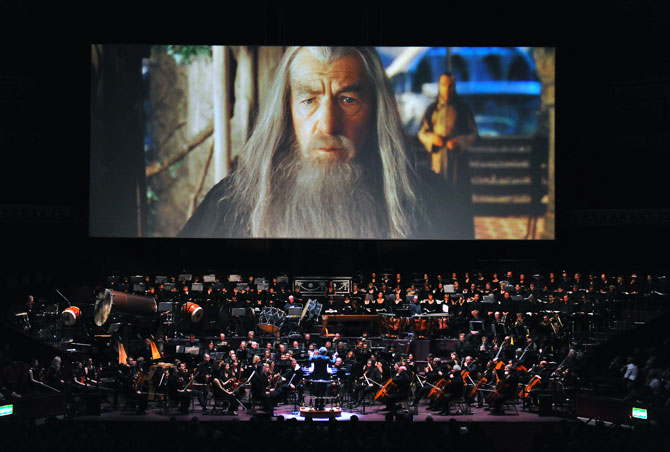
    A film orchestra is a very specialized type of ensemble musical group. For the most part, orchestras that have been assembled to record the score for a film do not perform in public.  For the most part, the specialty of a film orchestra is to record in studio the music that has been composed for a film.

    During these recording sessions, the studio is filled with sound recording equipment, in order to capture the best sound, and minute details. In most cases, the film is projected onto a large screen in the recording studio. This adds greatly to the performance from the musicians. Film orchestras require a level of precision and technicality that greatly enhances the performances from the actors on the screen.

    Here is a great video demonstrating the scoring, and recording of the music from Canadian composer Howard Shore for the movie The Hobbit:

    Here is a similar video from Star Wars composer, John Williams:

    https://www.youtube.com/watch?v=K0ezvZo2AWc

    An interesting area in which orchestral recordings is developing is in the music for video games. Here is a video looking at the music, and orchestral recording for the Harry Potter video game:


    For those interested, this is a very informative blog that takes a look at scoring for film. It has some fascinating insights into sound recording, and orchestral film recordings.


    What do you think of film orchestras? Tell us in the comments below!

    = Calgary Children's Choir

  • 6 Great Resources For Choristers

    The internet is full of so many valuable resources, and nowhere is that more evident than in the myriad of websites designed to help musicians! Here are a number of great resources for choristers of all ages:

    #1. Virtual Piano:

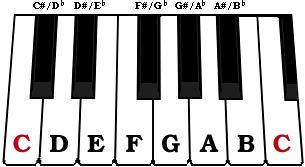
    Piano keyboard
    It can be difficult for singers who don’t have a piano, or keyboard at home, to practice their music independently. This website has a great virtual piano, to help choristers practice their music at home! There are a variety of free virtual piano apps for iphones, ipad, and other smartphones too, as well as more basic pitch pipe apps!

    #2. Ear Training:

    A good singer, is also a great listener. A singer’s ears are every bit as important as their voice, and needs to be trained as well. This website has great exercises, that can be modified for beginner singers through to more advanced singers!

    #3. Music Theory Exercises:

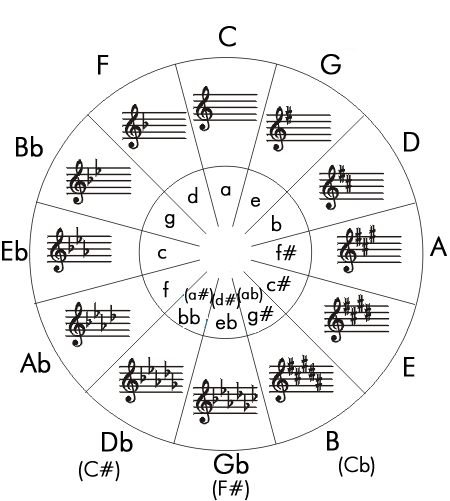
    = circle of fifths
    Music theory is another incredibly important aspect of musical education. This website has a variety of different musical theory exercises for different abilities – for free!

    #4. Public Domain Scores: 

    While many musical works are still under copyright, there are also several that are now within the public domain. The Petrucci Music Library has compiled a fantastic repository of these public domain scores!

    #5. The Science of Music:

    Music and Science

    This is a great website to help choristers discover the links between science, math, and music!


    #6. Incredibox: 
    This is a great website to help get choristers interested in different aspects of composition in a fun, and lighthearted way!


    What do you think about these resources? Will you try some of them out?

    Singing For The Joy off It!


  • 3 Different Types of Vocal Scores

    Vocal scores have had a myriad of different incarnations as the art of musical notation has developed since music first began to be transcribed. There are different types of vocal scores from all regions of the world, with many varied notation systems. They are all fascinating, and many of them are aesthetically stunning.

    Here are just three examples:

    #1. Neumatic notation:


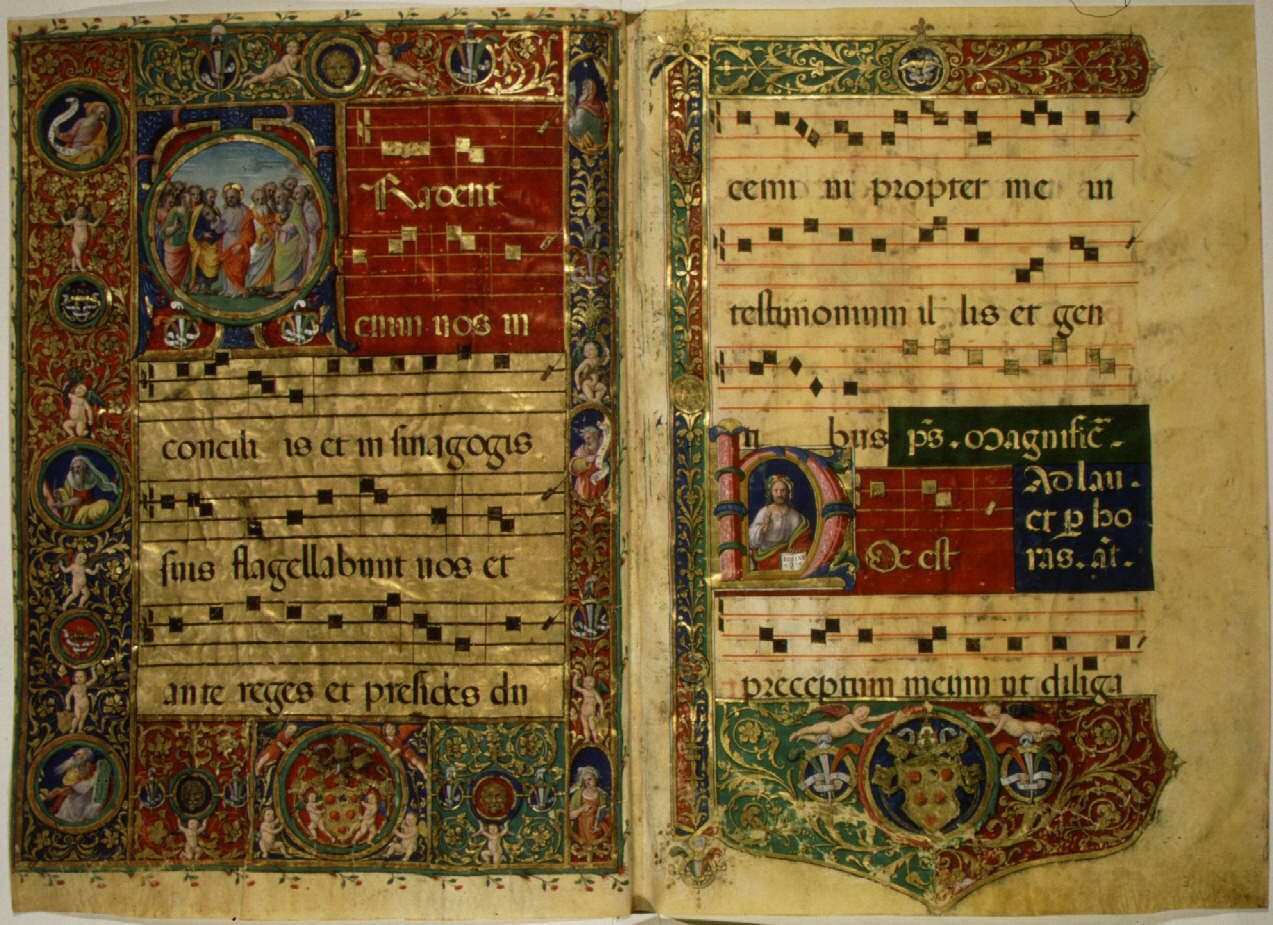
    gergorianchantblog

    This first vocal score is an example of one of the earliest Western forms of musical notation. It was used primarily in monasteries to aid monks in remembering the different forms of Gregorian chant. The symbols used in this type of chant are referred to as neumes. The earliest form of this type of notation denoted the form of music, and the contour of the line, but was vague about pitch. To solve this problem, the staff was introduced to this notation, providing context so that the intended pitch was clearly marked.

    #2. Modern  notation:

    = vocal score

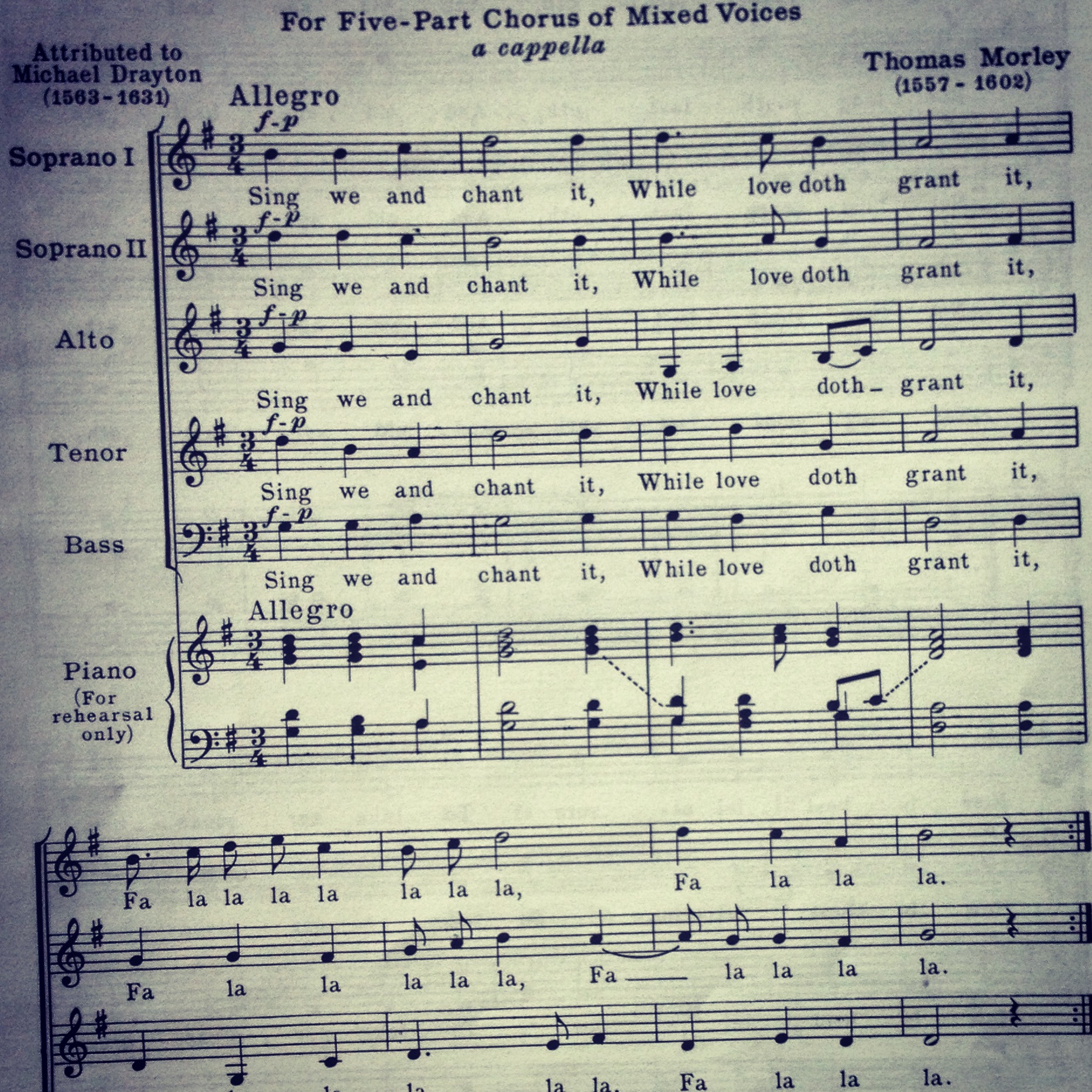
    This type of notation is the one most commonly used in modern music, and was standardized during the Classical Period (~ 1730-1830). Like the neumatic notation, modern notation includes a musical staff, and notes ares placed on that staff to denote pitch. The notes are given different duration values, and key signature, time signature, tempo, and dynamics are all clearly marked. This type of musical notation is so complex, learning to interpret it is often considered to be like learning an entirely different language.

    #3. Graphic Notation: 

    = snowforms


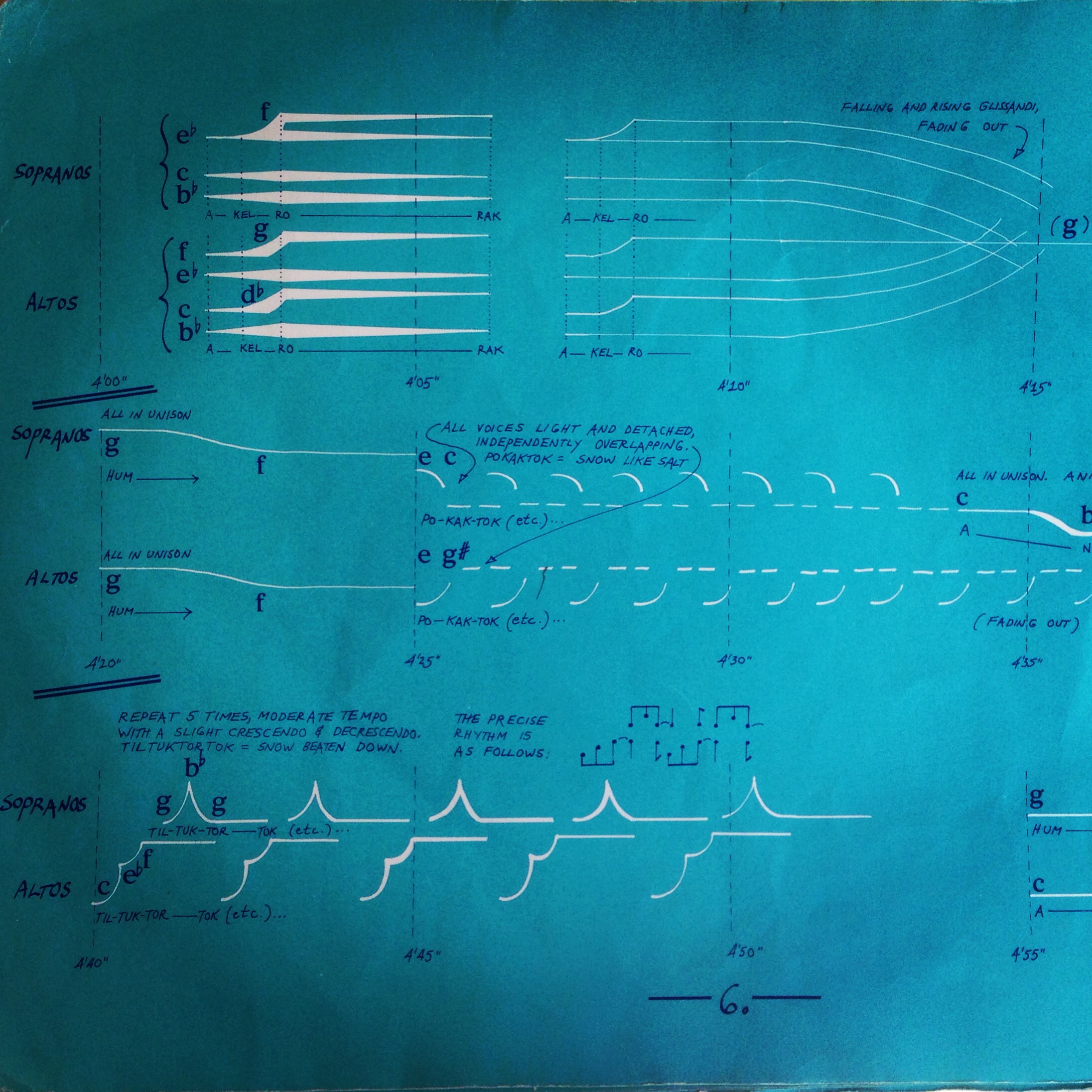
    The piece in the image above is called Snowforms, written by Canadian composer R. Murray Schafer. His inspiration for the piece was the many kinds of snow he experienced while living in Canada. Schafer’s use of graphic notation aids in the realization of this piece as a soundscape; an auditory experience, intended to immerse the listener into the landscape of sound. The score denotes time, although the exact rhythm is open to interpretation, and the notes to be sung are quite explicitly stated. This type of score is very useful for the many nuances of the human voice. You can listen to the Calgary Children’s Choir perform Snowforms here.


    Tell us which score you think is the most interesting in the comments below!

    Singing For The Joy off It!