Tag: performer

  • Musical Professions: Performer

    Performer

    This is the fourth post in our series, Musical Professions, in which we will be taking a closer look at the myriad of careers available to those with a background in, and a passion for music!
    Many musicians chose to pursue a combination of these musical professions, making them incredibly versatile and well-rounded!

    Performer

    There are a multitude of options available to musicians who want to perform:

    Events:  Events are one of the best places to get yourself out there as a performer. Common events at which musical performances are likely are weddings, funerals, fundraisers, galas, etc… These are often excellent venues at which to start performing because the musical performances are usually shorter sets, and the requirements specific to the occasion, such as a string quartet performing while the bride walks down the aisle at a wedding.

    Musicals/Operas/Orchestra: These musical events are very large in scope and require intense preparations to audition for a role. Once a performer has secured a role, there is even more work to be done! Rehearsals, costuming, lights, sets, staging, all need to be considered for a performance on this scale. Performing for a larger musical work like this is a big commitment of time, and energy, but can be very rewarding, as it gives the performer the opportunity to perform the same music for a different audience each time, and experiment with how the changing audience impacts the energy of their performance!

    Recital: A recital is an excellent way to perform music, with an attentive audience, and a relatively quiet performance space. Recitals require advanced preparation of repertoire, and usually last around one hour, though they can be longer. Generally, recitals are about music above all else, and can often feel more intimate than other kinds of performances.

    Busking: This relatively spontaneous type of performance is another great way to introduce oneself to performance. A busking license is required in most municipalities, but once acquired, the performer is generally at liberty to decide when and where and how they want to perform! The opportunities are endless for a self-motivated, versatile, and gregarious performer!

    What other types of opportunities are there for performers? Tell us in the comments below!

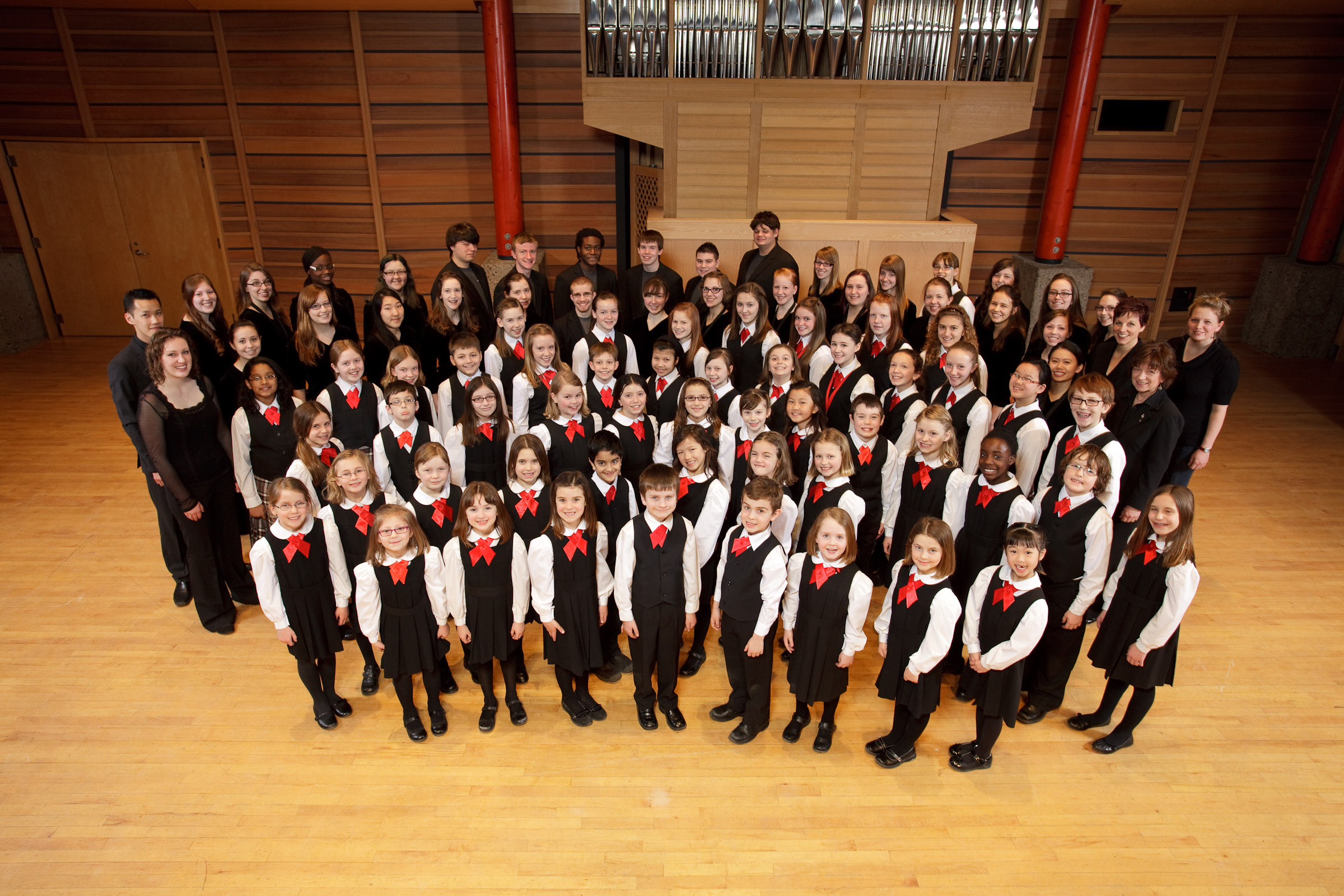
    Calgary Children's Choir

  • The Value Of Not Performing

    Calgary Children's Choir

    The Calgary Children’s Choir has three major performances a year; our Christmas concert, our Folk Concert, and our Spring concert. Sometimes we’ll have other singing engagements sprinkled in as well. Much of the music that we learn throughout the year is chosen for one of those concerts, but sometimes we learn music without having a specific performance in mind. There are several reasons why we find value in learning music that is not for performance:

    Practical Elements:
    Often we learn a piece of music to demonstrate a certain aspect of music to our choristers. This could be anything from multi-part harmonies, to great vocal leaps, appropriate breathing techniques, or poignant text. What our choristers take from a piece of music should be from our rehearsals and exercises, our workshops and the practice they might do at home. A piece of repertoire is a valuable way to provide an example of a musical technique, but that doesn’t mean that we have to perform that piece.

    Music For Its Own Sake:
    While it is wonderful to perform, we shouldn’t think of music as valuable only in the context of performance. Much of what makes learning music so amazing – the self-discipline, the hard work, the hours of practice, are all aspects that are not readily seen in a performance. It is important that we teach our choristers that learning music is important because music itself is important, and not just the act of performing music.


    Do you think every piece you learn needs to be performed? Tell us in the comments below!

    = Calgary Children's Choir

  • Performer Placement

    = calgary childrens choir


    There are many different ways to arrange a choir, based on how the conductor determines the best choral sound can be achieved. This can lead to many variations in performer placement.

    #1. In a more traditional choir formation, the lowest voices are usually found in the middle section of the choir. This can be the tenor and bass section in an adult choir, or just the alto voices in a children’s choir arrangement.

    #2. It is often helpful to have the strongest voices in the back, and on the ends of rows. This makes their sound carry forward, to provide support for other choristers. In a children’s choir this is especially effective since often the more experienced singers are usually the older choristers!

    #3. The choir formation is generally curved for a couple of reasons:

    i) It allows the conductor to see, and be able to make eye contact with every single chorister. This is crucial for musical                                              connection and synchronicity.

    ii) It allows the sound to come to a focal point, so that first the conductor, and then the audience can hear a blended                                                    choral sound.

    #4. Since blend is one of the highest priorities of choral sound, some choirs will blend their sections. In blended choirs, singers often stand next to choristers from completely different sections. This allows them to hear the way their part sounds with the other parts, and adjust their own sound accordingly!

    If you’re interested in learning more about performer placement, this blog post offers some interesting insights on choir formations.


    What is your preferred performer placement? Tell us in the comments below!

    = Calgary Children's Choir