Category: Choir

  • What Choir Means To Me

    At our Annual Spring Banquet Sunday June 2nd 2013, our board president, Dan Link, asked our Artistic Director, Marni Strome, to discuss what choir means to her. The following is the transcript of Marni’s speech:

    = Marni Strome

    Choir is: many voices making beautiful sound. LIVE. The whole thing is alive, happening in the moment – it’s spontaneous – and free.

    You can’t hide yourself when you sing. It’s one of the purest forms of self-expression. When you sing with others who also love to sing, there is nothing more validating or supportive. Singing in a choir allows us to fully experience ourselves. It makes us feel good, and happy. When we feel good and happy, we feel confident and strong.

    This was the effect of choir on me, growing up as a chorister.

    Choir got me through school.

    And now, choir (aside from my husband, family and close friends ), is my life. I didn’t plan for it to be that way – I actually didn’t aspire to be a choir director. I had a lot of encouragement from people like Rosemarie Sherban, founder of the CCC. But looking back, and sitting here now, I don’t know what else I could have done that would be anywhere near as satisfying as working with kids like all of you on beautiful pieces of music. I can’t think of anything more worthwhile as a human experience.

    The strong relationships that develop among people who sing together tend to be lasting. I see that in our choristers, and I certainly experienced it as a chorister. But I am learning that the relationships I form with choristers in my choir are also lasting. Not only with other staff members like Susan Woodward, Alena Naumchyk, and Linda White; but also with choristers who grow up and work with us – Like Rachael Mollison-Read, Kristine Woodward, Kat Long, and Jessica Lutzak.

    I’m always sorry to see people leave choir – because often I’ve gotten to know you through many of your formative years, and I feel pretty invested in each of you. But as I spend more years conducting choirs I am learning that things often circle around and our paths will cross – maybe if you join us at Nutcracker, or come to the next reunion, or drop in to a rehearsal, or even keep in touch through the our website, or facebook or other media forms. I know now that I don’t really have to say goodbye. But the fact that I miss you when you leave speaks exactly to the depth of the relationships we form in choir. It is a family.

    = happy choir


    What does choir mean to me? Choir is all of you. And you all mean the world to me.

     

    Singing For The Joy off It!

  • 5 Life Lessons From Choir

    #1. Always Bring A Pencil:

    It’s a pretty good rule of thumb that in choir, you should always have a pencil. This is pretty good advice in life as well; always be prepared!

    Music

    #2. Work as Part of a Team: 

    The great thing about singing in a choir is that you’re singing with many voices, all with the same goal of making beautiful music. Working well with others, towards a common goal is a great life skill!


    = children's choir


    #3. Help Each Other:

    Helping out the people around you is a great skill to have!

    = Helping

    #4. Be a Great Communicator:

    Music is all about great communication, and so is life!

    =hand

    #5. Have Fun!:


    = Fun


    Do you have any more life lessons from your experience as a chorister? Tell us in the comments below!

    = Calgary Children's Choir


  • 3 Different Types of Vocal Scores

    Vocal scores have had a myriad of different incarnations as the art of musical notation has developed since music first began to be transcribed. There are different types of vocal scores from all regions of the world, with many varied notation systems. They are all fascinating, and many of them are aesthetically stunning.

    Here are just three examples:

    #1. Neumatic notation:


    gergorianchantblog

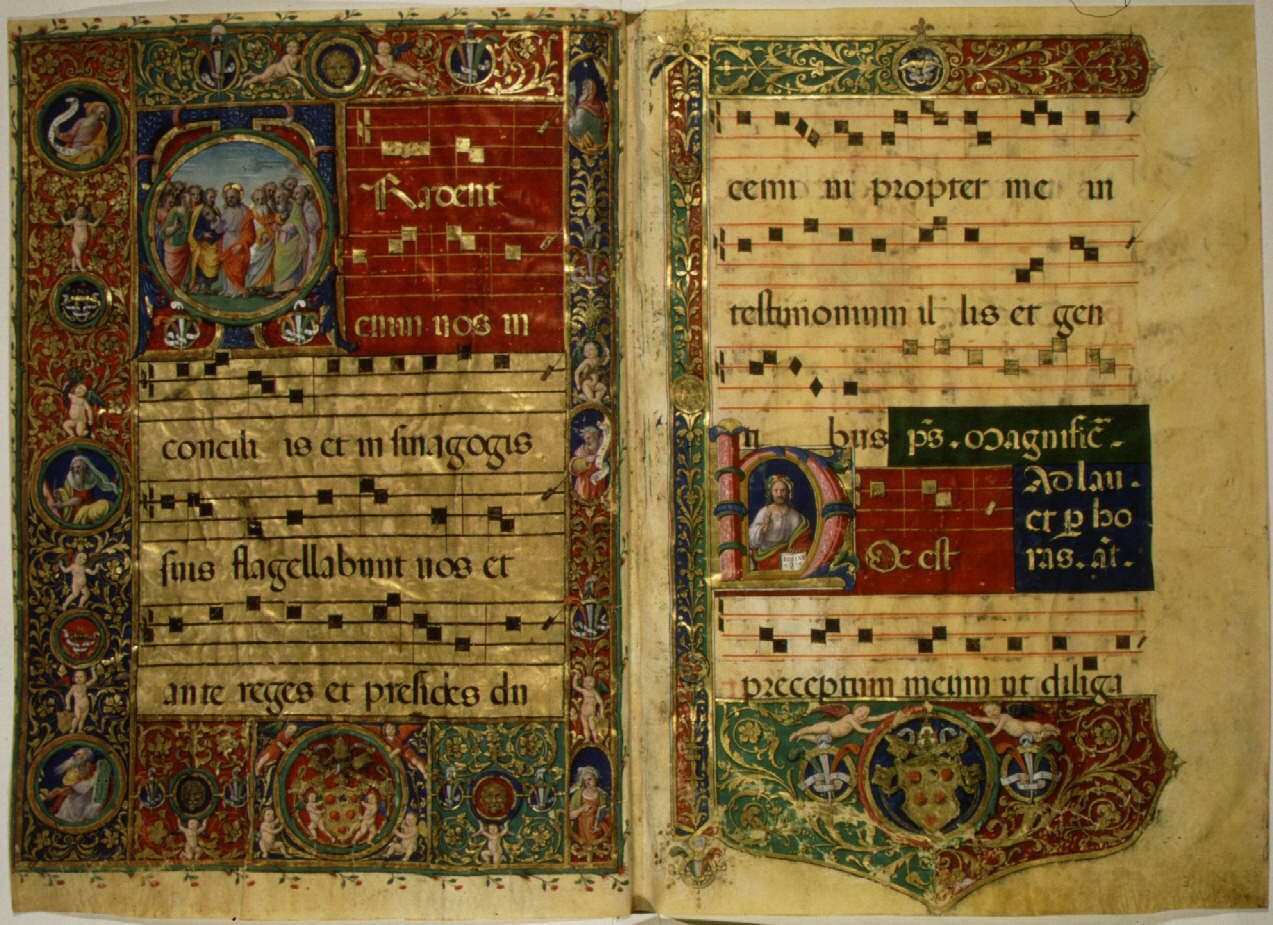
    This first vocal score is an example of one of the earliest Western forms of musical notation. It was used primarily in monasteries to aid monks in remembering the different forms of Gregorian chant. The symbols used in this type of chant are referred to as neumes. The earliest form of this type of notation denoted the form of music, and the contour of the line, but was vague about pitch. To solve this problem, the staff was introduced to this notation, providing context so that the intended pitch was clearly marked.

    #2. Modern  notation:

    = vocal score

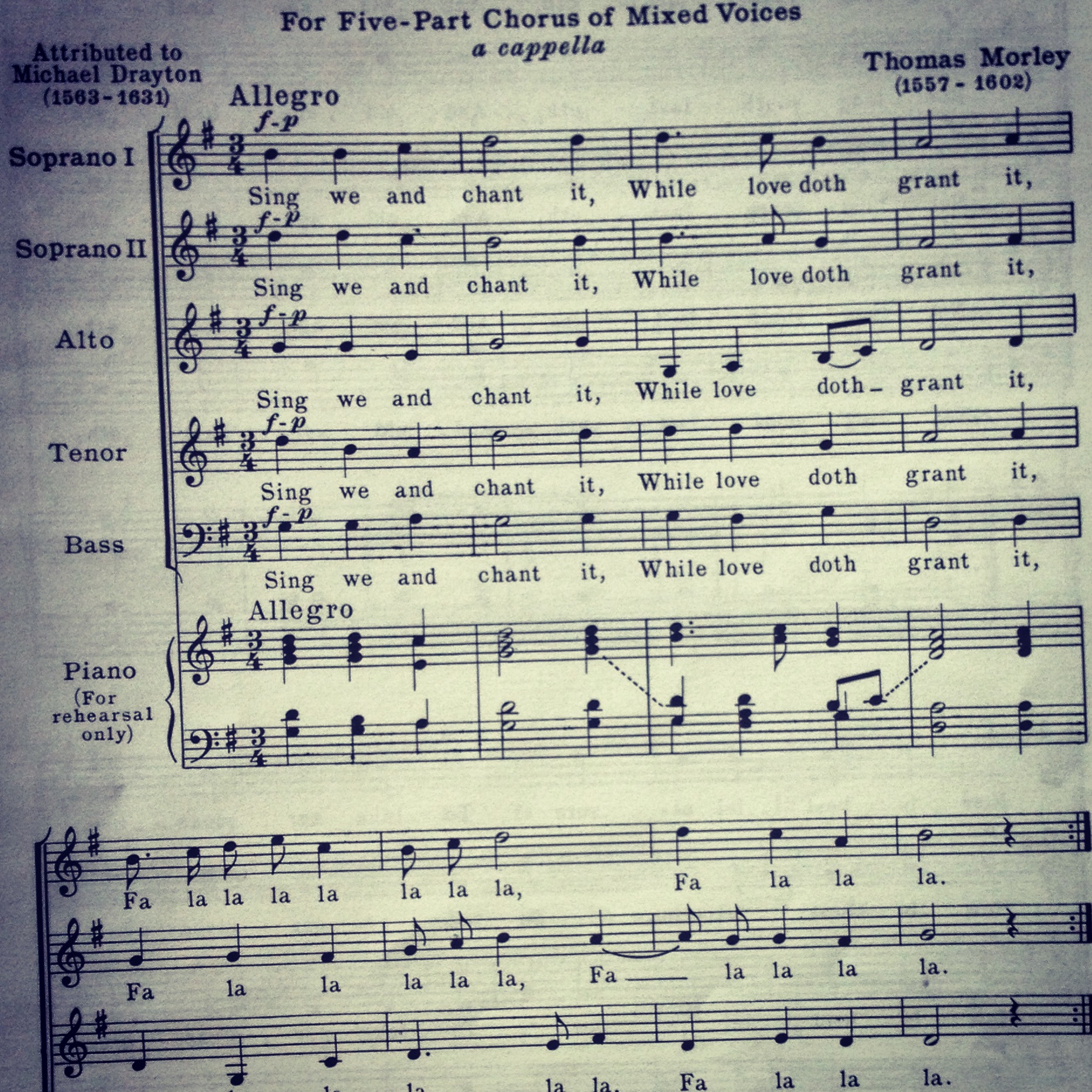
    This type of notation is the one most commonly used in modern music, and was standardized during the Classical Period (~ 1730-1830). Like the neumatic notation, modern notation includes a musical staff, and notes ares placed on that staff to denote pitch. The notes are given different duration values, and key signature, time signature, tempo, and dynamics are all clearly marked. This type of musical notation is so complex, learning to interpret it is often considered to be like learning an entirely different language.

    #3. Graphic Notation: 

    = snowforms


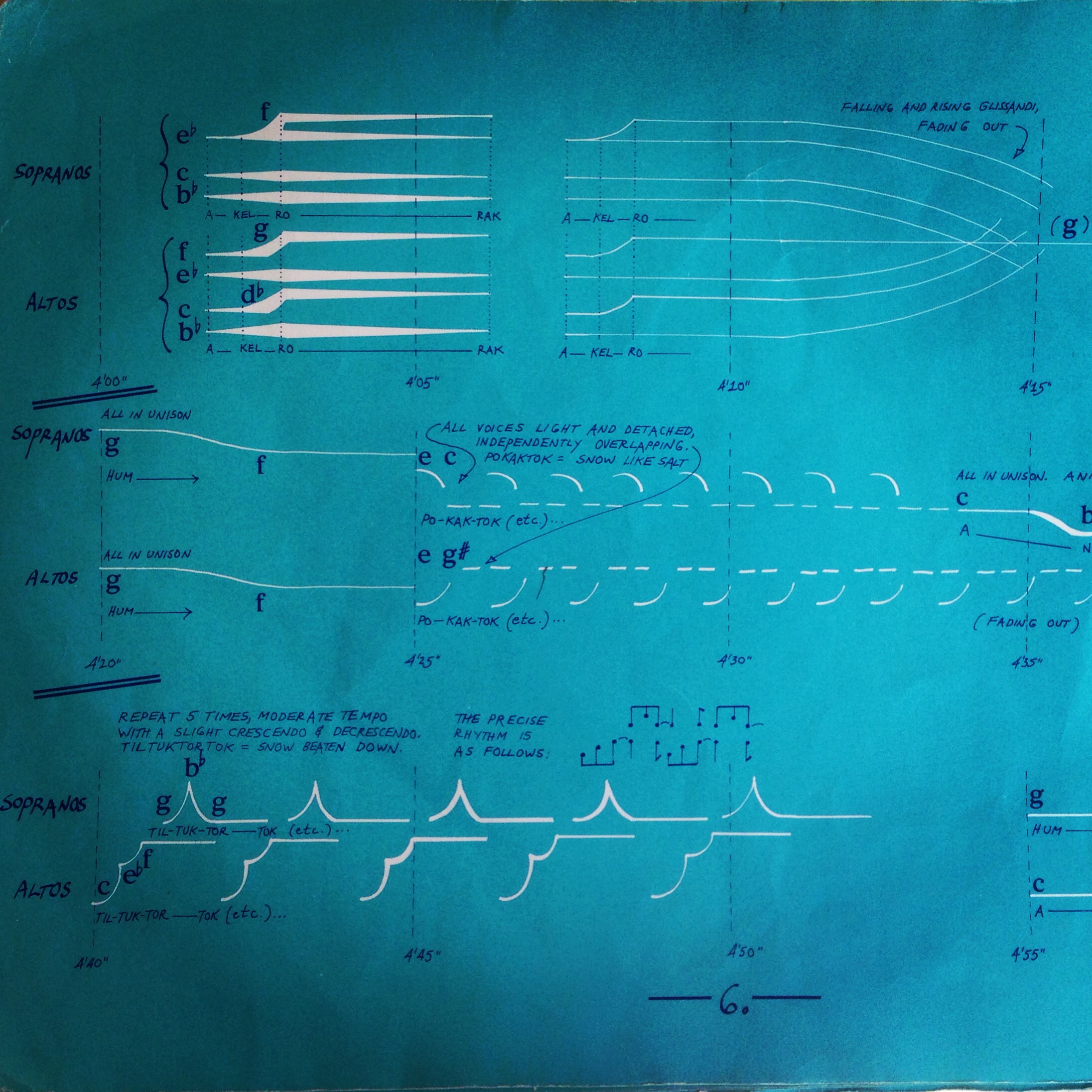
    The piece in the image above is called Snowforms, written by Canadian composer R. Murray Schafer. His inspiration for the piece was the many kinds of snow he experienced while living in Canada. Schafer’s use of graphic notation aids in the realization of this piece as a soundscape; an auditory experience, intended to immerse the listener into the landscape of sound. The score denotes time, although the exact rhythm is open to interpretation, and the notes to be sung are quite explicitly stated. This type of score is very useful for the many nuances of the human voice. You can listen to the Calgary Children’s Choir perform Snowforms here.


    Tell us which score you think is the most interesting in the comments below!

    Singing For The Joy off It!

  • 3 Reasons Why Singing in a Choir is the Best Thing Ever

    = children singing

    #1. Many Voices as One:
    One of the goals of quality choral singing is to blend the unique sounds of different voices into one seamless sound. This is very technically challenging, given that each individual voice has a unique timbre, but it is such a rewarding feeling to achieve that beautiful blend of sound! Even more fulfilling, is singing choral music written in different parts, a feat that cannot be achieved with solo singing!

    #2. Health Benefits:
    There are a myriad of different studies examining not only the psychological benefits of singing in a choir, but the physiological benefits as well. Singing in a choir can improve memory, provide relief from stress, and aid in respiratory problems, to name only a few benefits. So join a choir – for your health!

    #3. Community: 
    The sense of community experienced when singing as part of a choir, is one of the most important reasons to join a choir. Being part of a group working towards a common goal, and having a goal as wonderful as creating beautiful music together, is a uniquely satisfying experience. The friendships formed when singing together in a choir can last a lifetime!


    What is your favourite aspect of singing in a choir? Tell us in the comments below!

    = Calgary Children's Choir