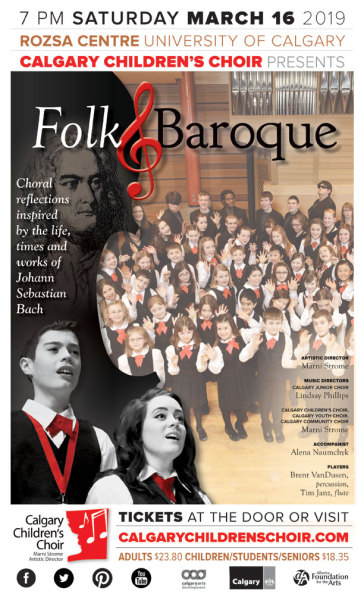
Saturday May 11, 2019 at 7:00pm. 🎫 Tickets Now Available!
Purchase yours here!
Eckhardt-Gramatte Hall (Rozsa Centre)
206 University Court NW
Calgary, AB

Purchase yours here!
Eckhardt-Gramatte Hall (Rozsa Centre)
206 University Court NW
Calgary, AB

We are so very fortunate in the CCC to have a thriving community of not just present choristers, but alumni as well. Creating a sense of community, and belonging, is very important to us, and we work hard to make sure that the only requirement for inclusion in the CCC is a love of music! Here are 5 ways to help you cultivate community in choir:
#1. Join!
The single best way to help you cultivate community in choir is to join! Choir is tailor-made for celebrating our community, and at the CCC we pride ourselves on being welcoming, inclusive, and open to everyone who loves music! If you want to sing for the joy of it – come join us!
#2. Attend camp:
We purposely open our year with a camp – away from the city, and out in beautiful Bragg Creek, so that we can really bond as a group before we get into the busy singing season. This is one of the best ways to really form relationships with other choristers, because we spend all day together, for a whole weekend! Our children’s choir and youth choir also go on a winter retreat in January!
#3. Buddy up!
At the CCC we are all about mentorship! We are proud to have a long legacy of choristers who take care of one another, and so we have a buddy system, where the older choristers mentor the younger ones, and in turn are mentored by our Youth choir members. Being a good buddy is an excellent way to foster a community feeling, so lean into it!
#4. Learn from your neighbours:
Although we seat our choristers by section, getting to know the people sitting next to you in choir is a great way to meet new people. Have a chat with the person next to you (before choir starts, or at break!), and you’ll learn so much about them. Choir is all about listening, and learning from those around you, so make sure to absorb everything you can from those around you – no doubt they’re doing the same!
#5. Stay awhile:
Many of our choristers stay for years (sometimes even decades!) in the choir. We have medals that we give to choristers who stay in the CCC for 5, 10 and recently 15 years! It can be difficult to stay in one activity for a long period of time, especially when there are so many interesting activities out there, but we promise if you stay with us for a while, you will make some life-long friends, gain a new appreciation of quality music, and some essential life skills!
What are some other ways to cultivate community in choir? Tell us in the comments below!


This past weekend was our 30th Reunion celebrations! An absolutely wonderful time was had by all, and a big thank-you to all of the volunteers , parents, teachers, conductors, alumni, and the wonderful Mrs. White who helped us make this weekend a success!
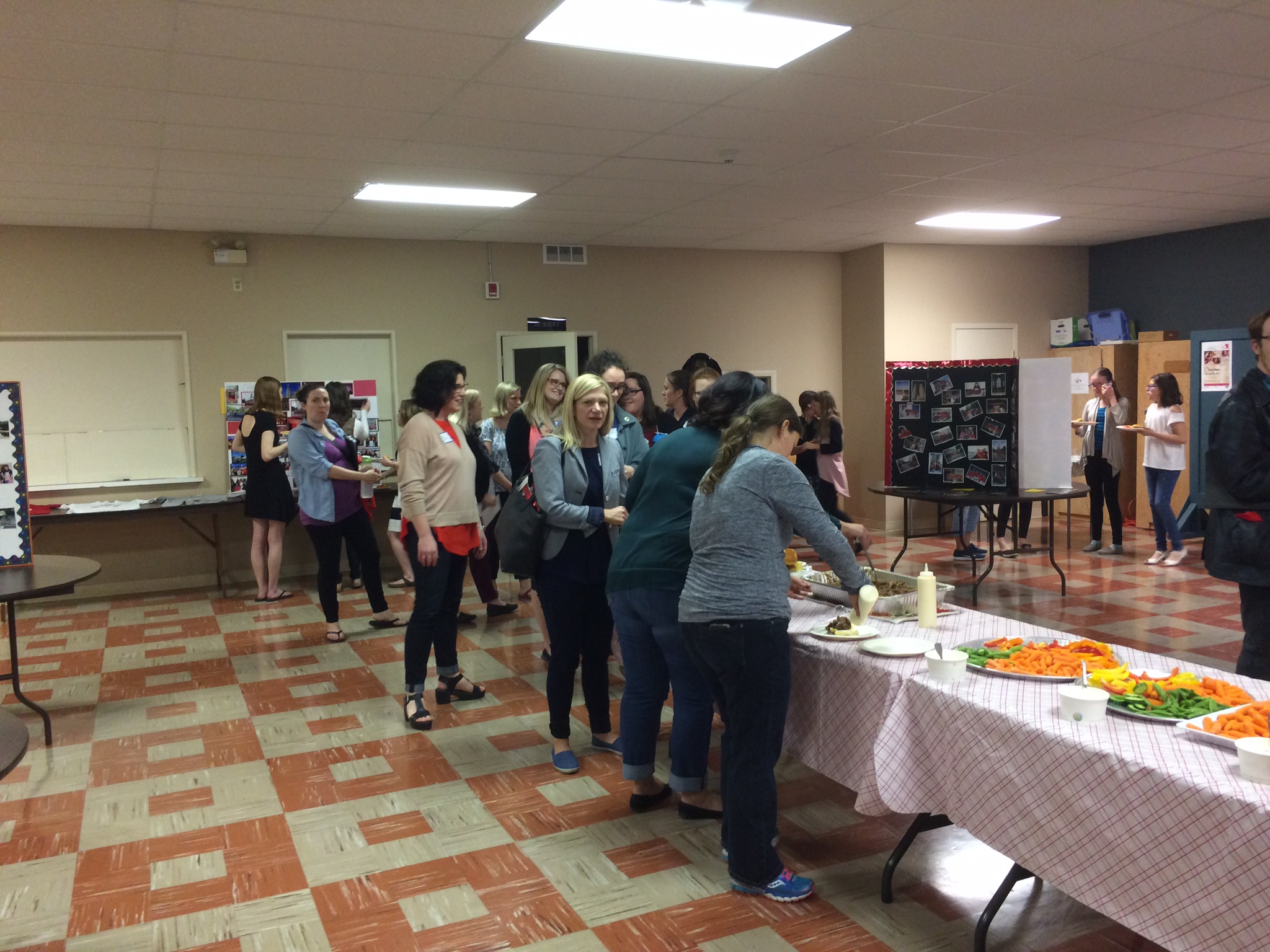
On Friday night we had a reception at the Crescent Heights Church. It was a wonderful chance to see everyone and catch up with old friends, as well as meet new ones! We shared lots of memories, and some of our photos from past tours were beautifully displayed on trifolds, so many of our alumni took a trip down memory lane! Following the reception we had a rehearsal, so we could all go over the music together. We had 30 years of favourites to cover, and many voices to blend together!
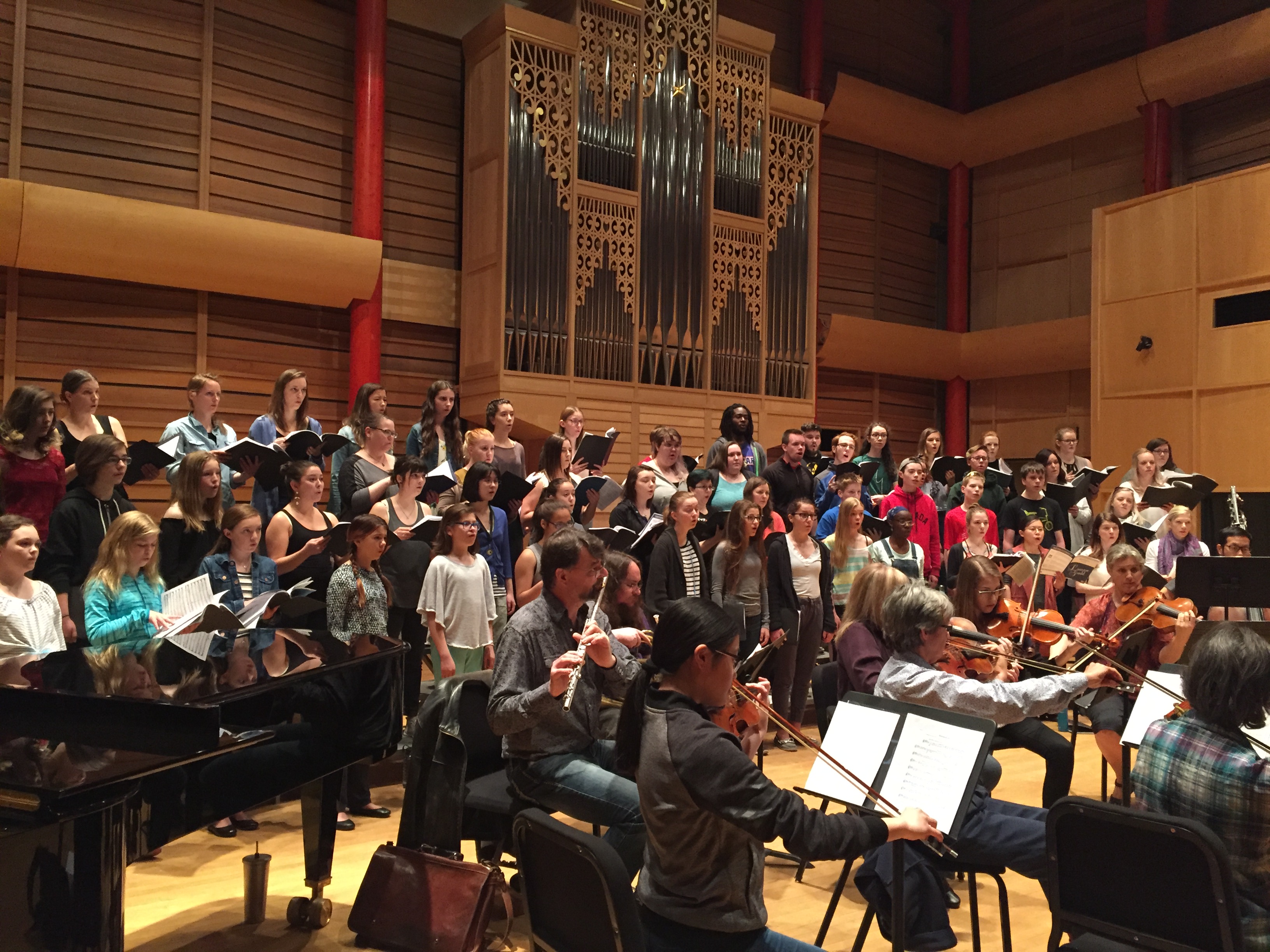
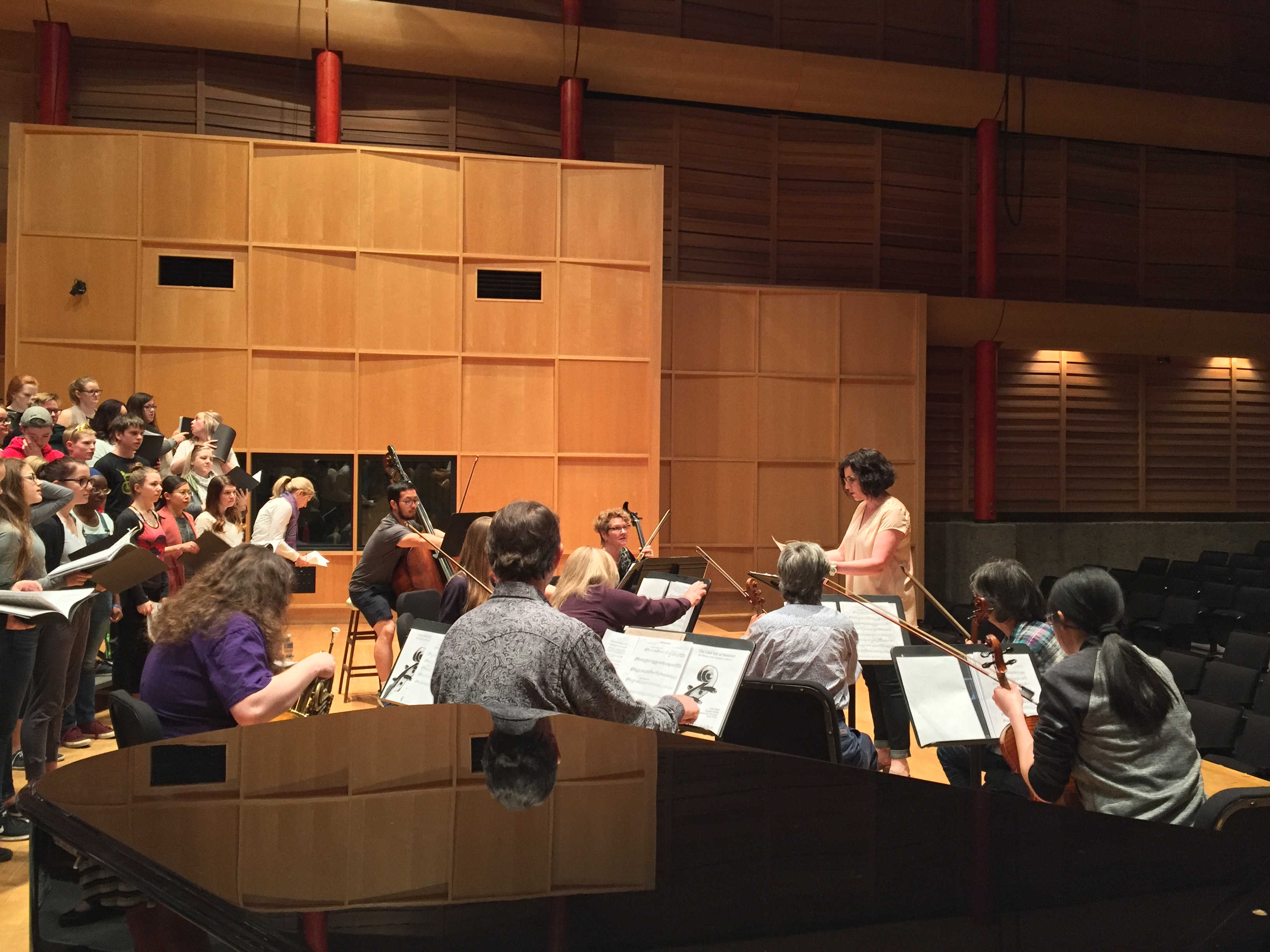
On Saturday morning we all met at the Rozsa Centre to rehearse. It was so wonderful to hear all the voices together, especially with the beautiful accompaniment of the instrumentalists!
Following the rehearsal there was a light lunch served in the beautiful foyer of the Rozsa. We were treated to two delightful performances; first Katie gave a wonderful performance of a musical theatre piece ‘Practically Perfect’ from Mary Poppins (which she hilariously dedicated to Marni Strome!), then brother and sister duo Josh and Kristen performed a duet together!
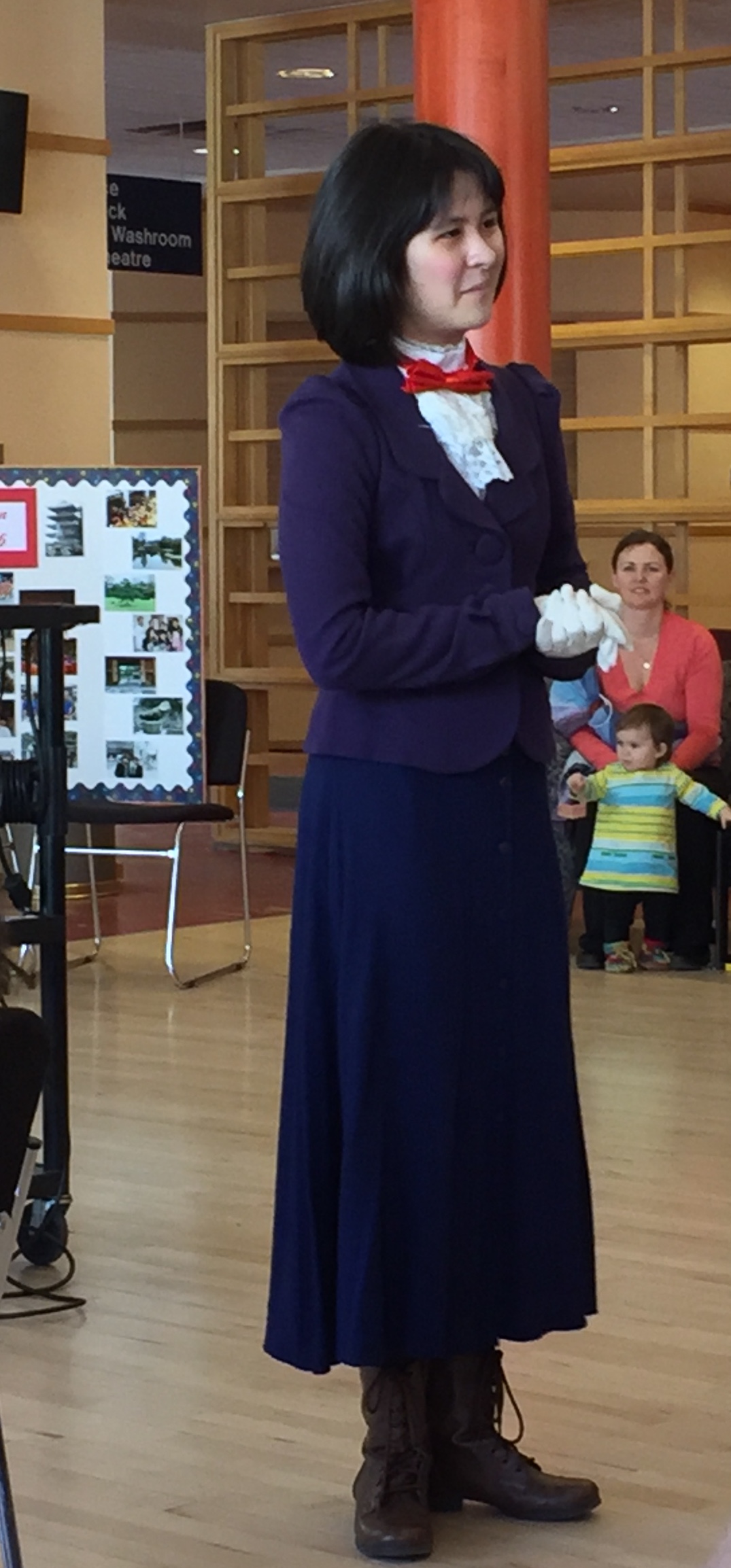
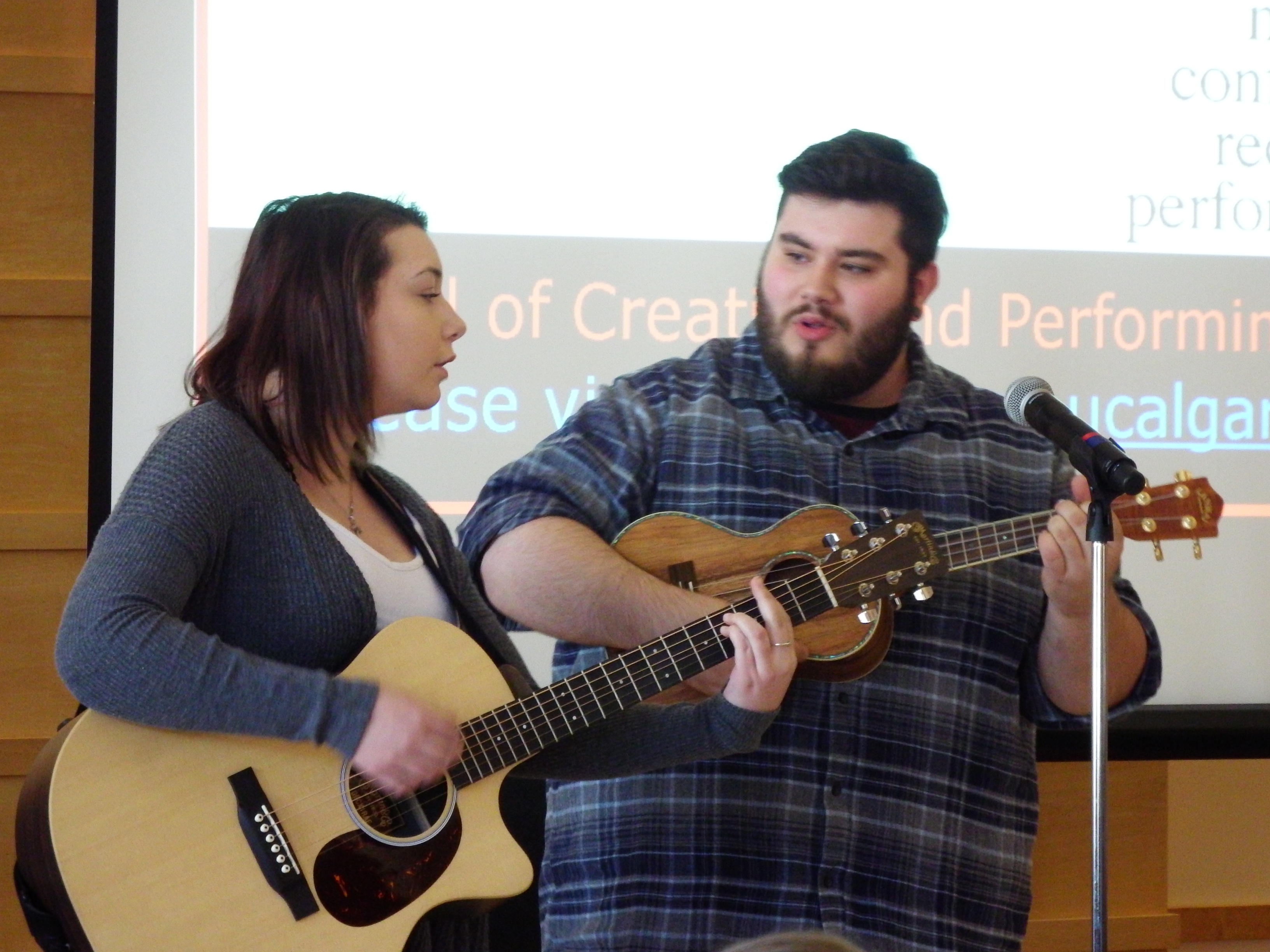
Then we opened up the floor to anyone who wanted to share some memories, or since something for us. We were fortunate to have a number of people speak, and it was wonderful to hear which choir moments had stuck with people over the past 30 years. Even more poignant were the moving tributes people gave; poignant stories about how choir had personally impacted their lives, and even shaped their decisions, and life choices. We had many laughs, and shed many tears together!
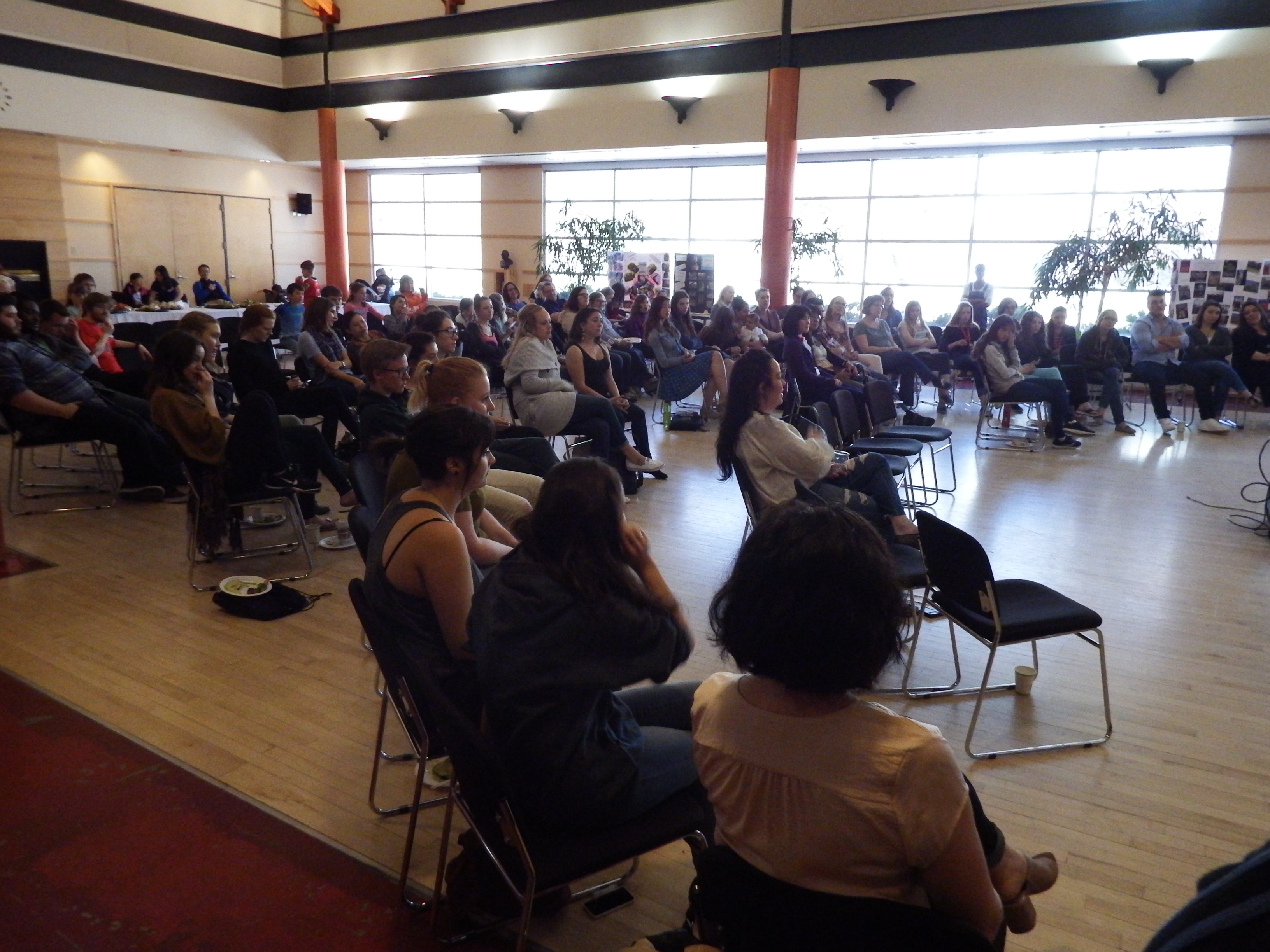
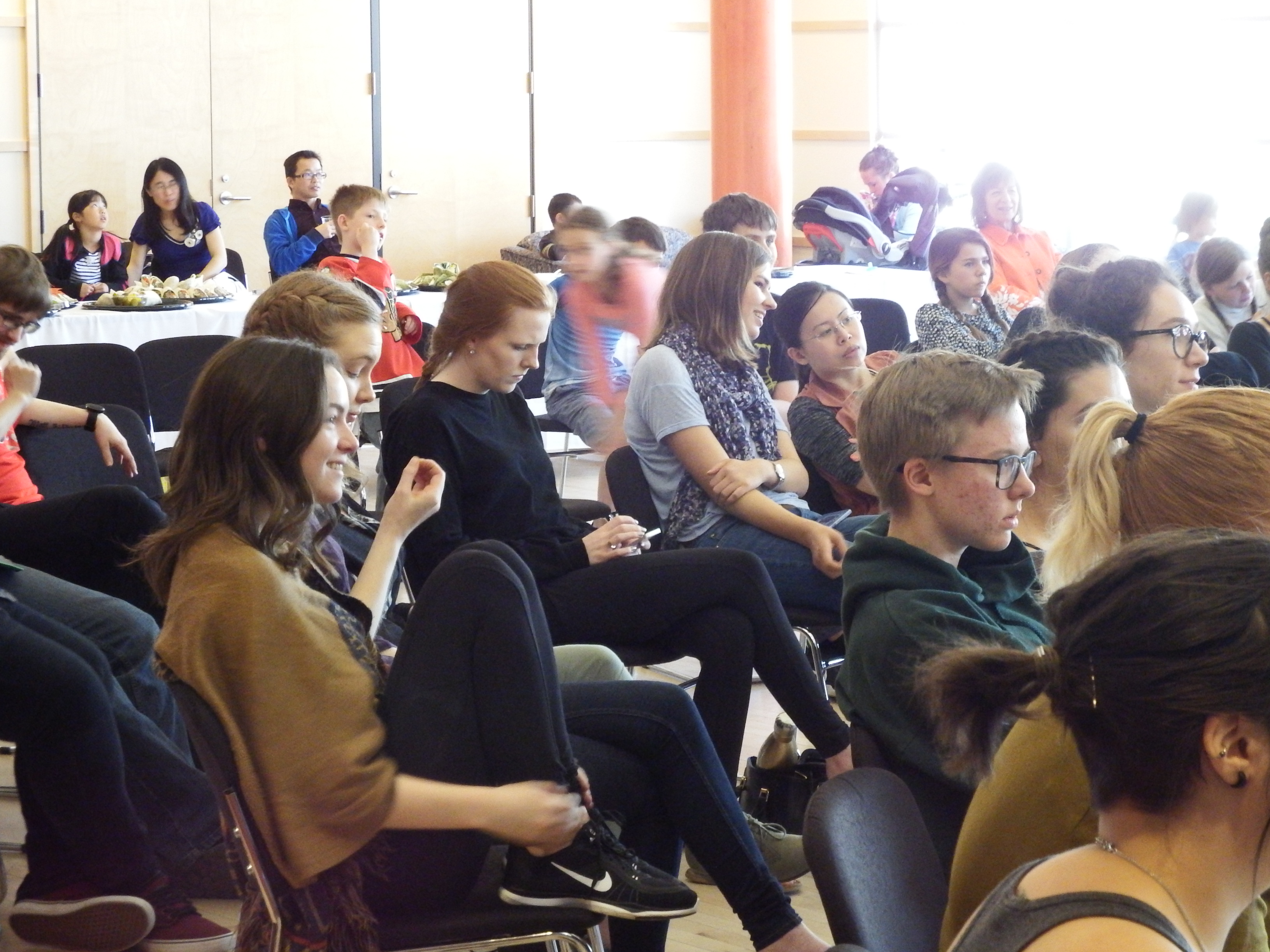
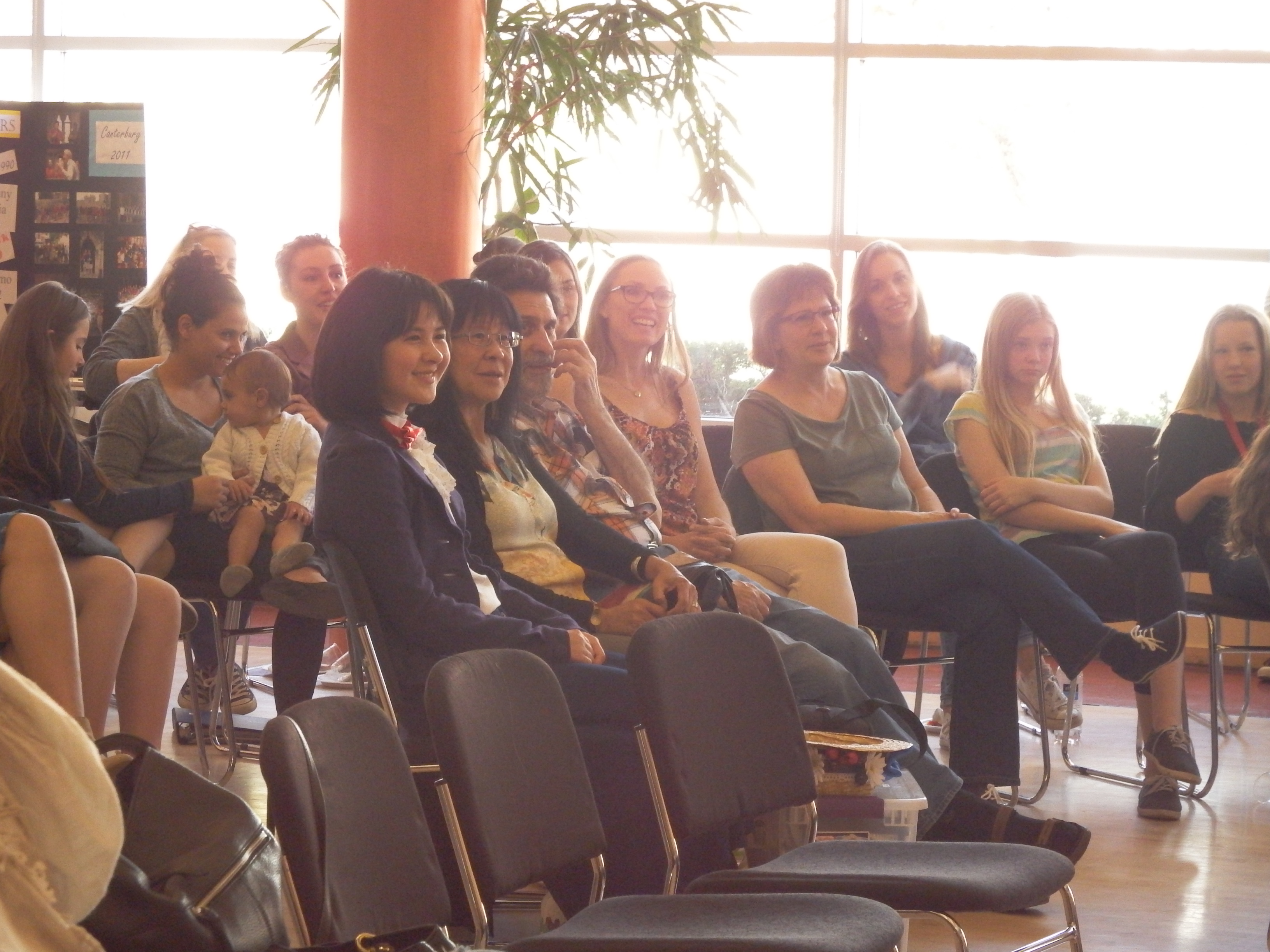
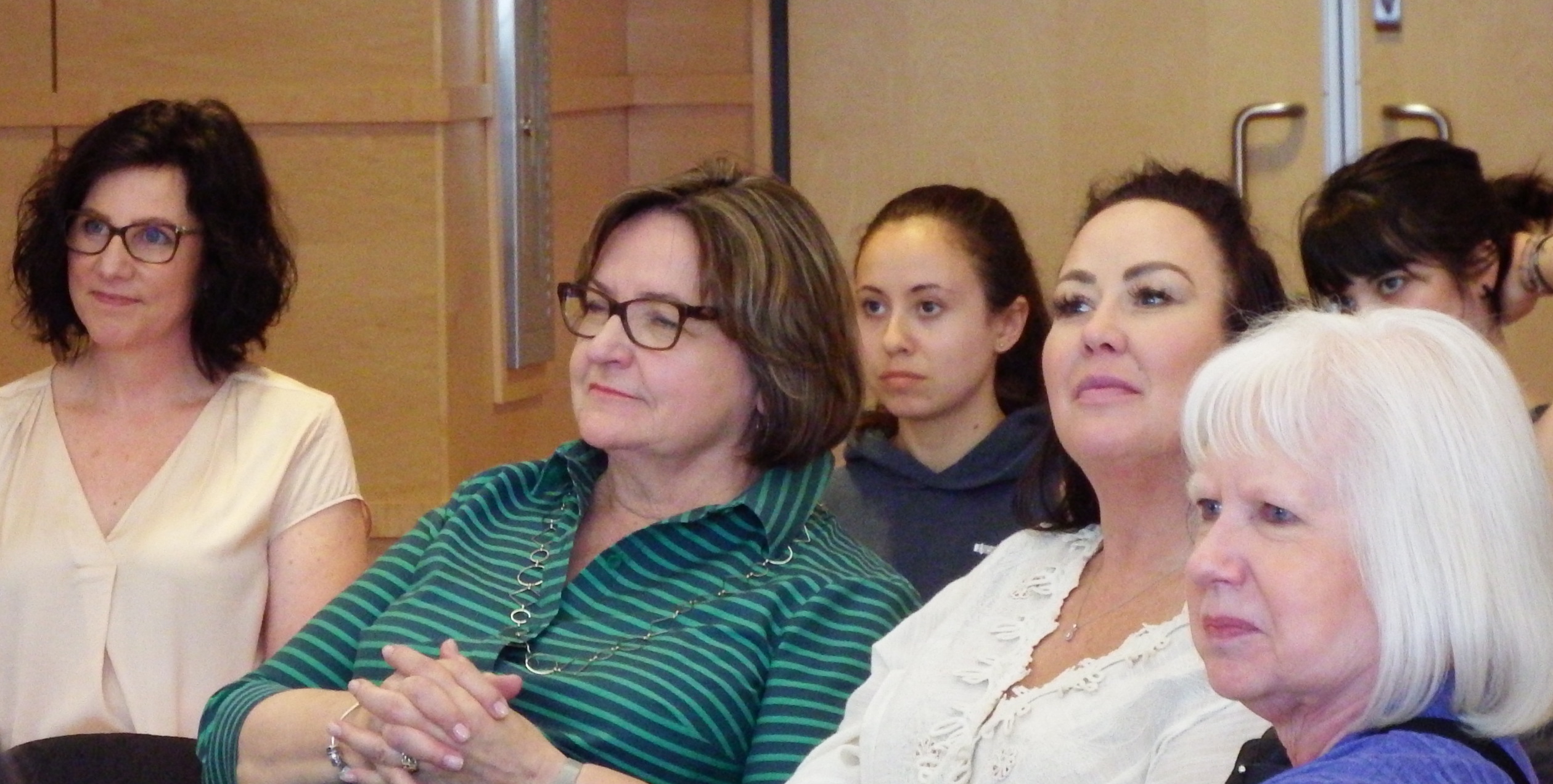
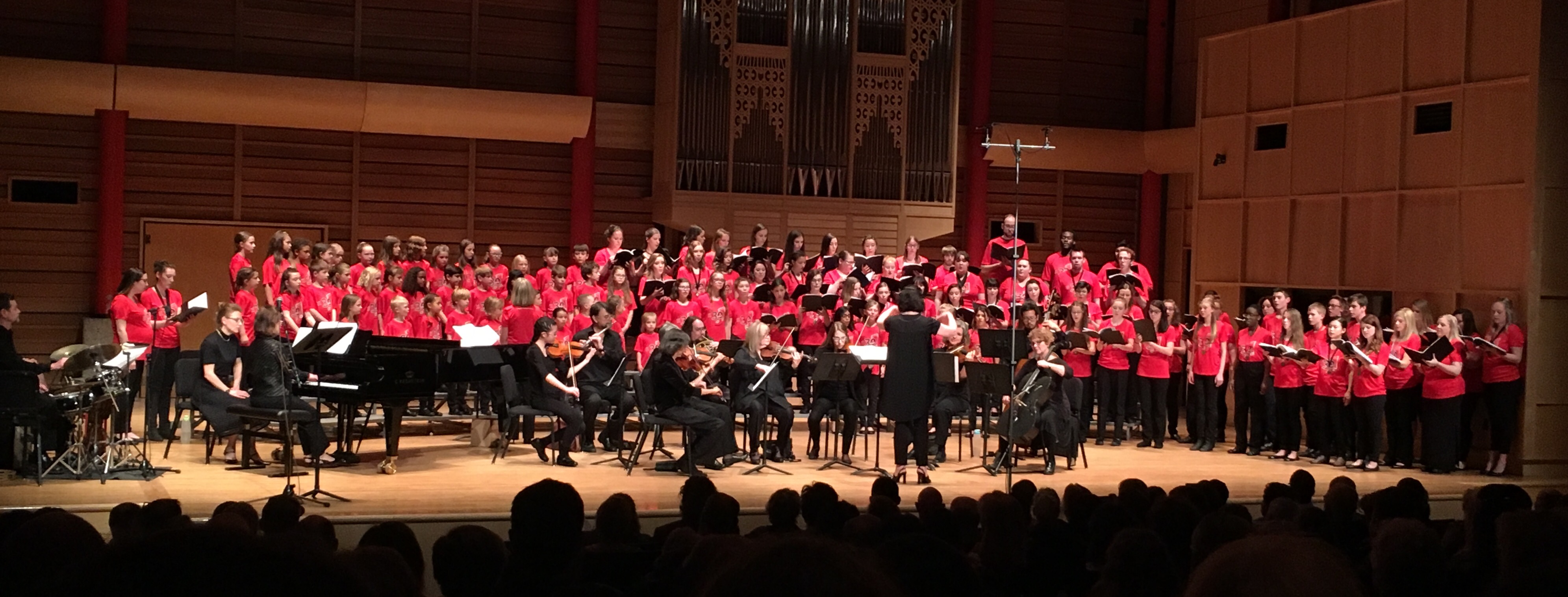
Our evening concert began at 7:00 with a selection of pieces performed by the current members of the Calgary Children’s Choir. After intermission, the current members were joined onstage by our CCC Alumni! We sang several of our favourite pieces, all orchestrated by the amazing Tim Janz!
(photos and videos below are courtesy of Donna Pahl)
It was a wonderful concert, full of friends, laughter, and of course – wonderful music! As Marni Strome said, “Here’s to another 30 years of the Calgary Children’s Choir!”
You Shall Have A Song:
Away From The Roll of the Sea:
A Child’s Carol:
Streets of London:
One of our alumni, Alex Guebert, put together this amazing video, with footage from the past 30 years. We showed it at our luncheon on Saturday afternoon, and had so much fun looking back at the last three decades of CCC!
What was your favourite part of the 30th Reunion Celebrations? Tell us in the comments!
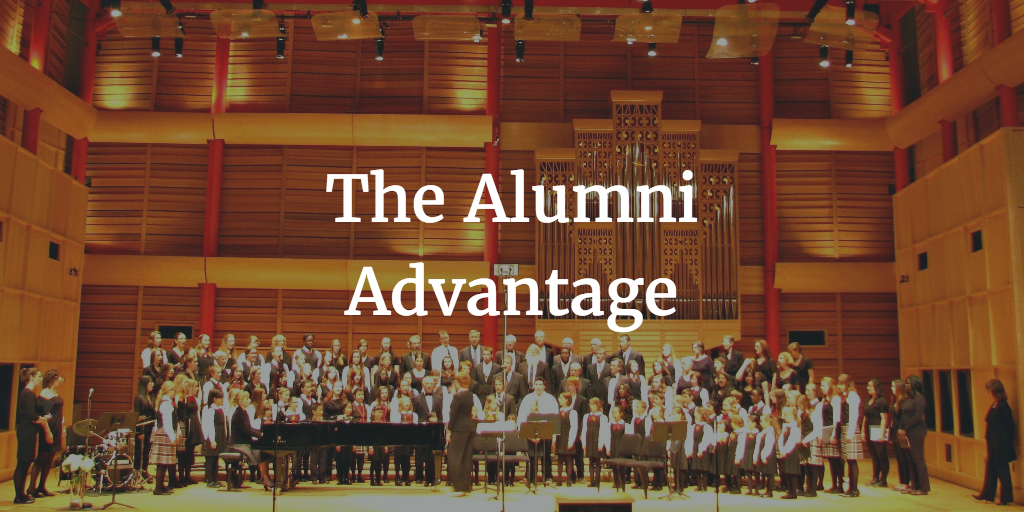
As we approach our 30th Reunion Celebrations, it is important to look back over the past years, at all of the people who have come and gone from our organization. Choir is ultimately about people, and how those people come together for a time and form a community.
The ‘alumni advantage’ then is the lasting benefit we receive from the ever-connected web of people who have been directly, and indirectly impacted by their time with the Calgary Children’s Choir. This is an on-going, mutually beneficial relationship. The current choir members can benefit from the mentorship, and relationship with alumni who come back; to teach, to perform as soloists, or collaborate as guest musicians, and those who support the choir in other ways.
The alumni benefit from always having a welcoming place to come back to, and a comfortable group with whom they can share their talents, and who will always support them.
Re-connecting with alumni is rewarding, and inspiring – we get to see what our choristers have been up to since they’ve left our organization, and see how they’ve changed, and how they’ve stayed true to themselves. We are so grateful that every five years, our alumni come back home, to help us celebrate another milestone in the CCC legacy!
How else do alumni benefit our organization? Tell us in the comments!

Music is such a wonderful pursuit for mind and body because it is not just an art form, but combines a myriad of other disciplines, including mathematics, biology, and physics. This series, Math and Science in Music will explore the many ways in which music incorporates a variety of these disciplines.
BRAIN POWER
Musicians require a variety of skills and characteristics to excel at their vocation, but perhaps the most interesting aspect is how the brains of musicians differ from a normal brain.
Studies have shown repeatedly that those who study music over an extended period of time, and at a difficult level, have fundamental changes in the way their brains process information. Musicians have been found to have better concentration, memory functions, problem solving skills, and higher executive function than the average person. The multitude of cognitive tasks demanded by music creates a greater diversity of synaptic paths in the brains of musicians. While these are useful in playing and understanding music, these synaptic paths can also be re-purposed for other cognitive functions, which is why musicians can be such creative thinkers in all areas of their lives.
Moreover, musicians show physical changes in their brains as well. The Corpus Collosum, the bridge between the two hemispheres of the brain is noticeably thicker and more connected in the brains of musicians, than in a normal human brain.
Check out this fascinating TedEd video for more information!
How else is the brain important for music? Tell us in the comments below!
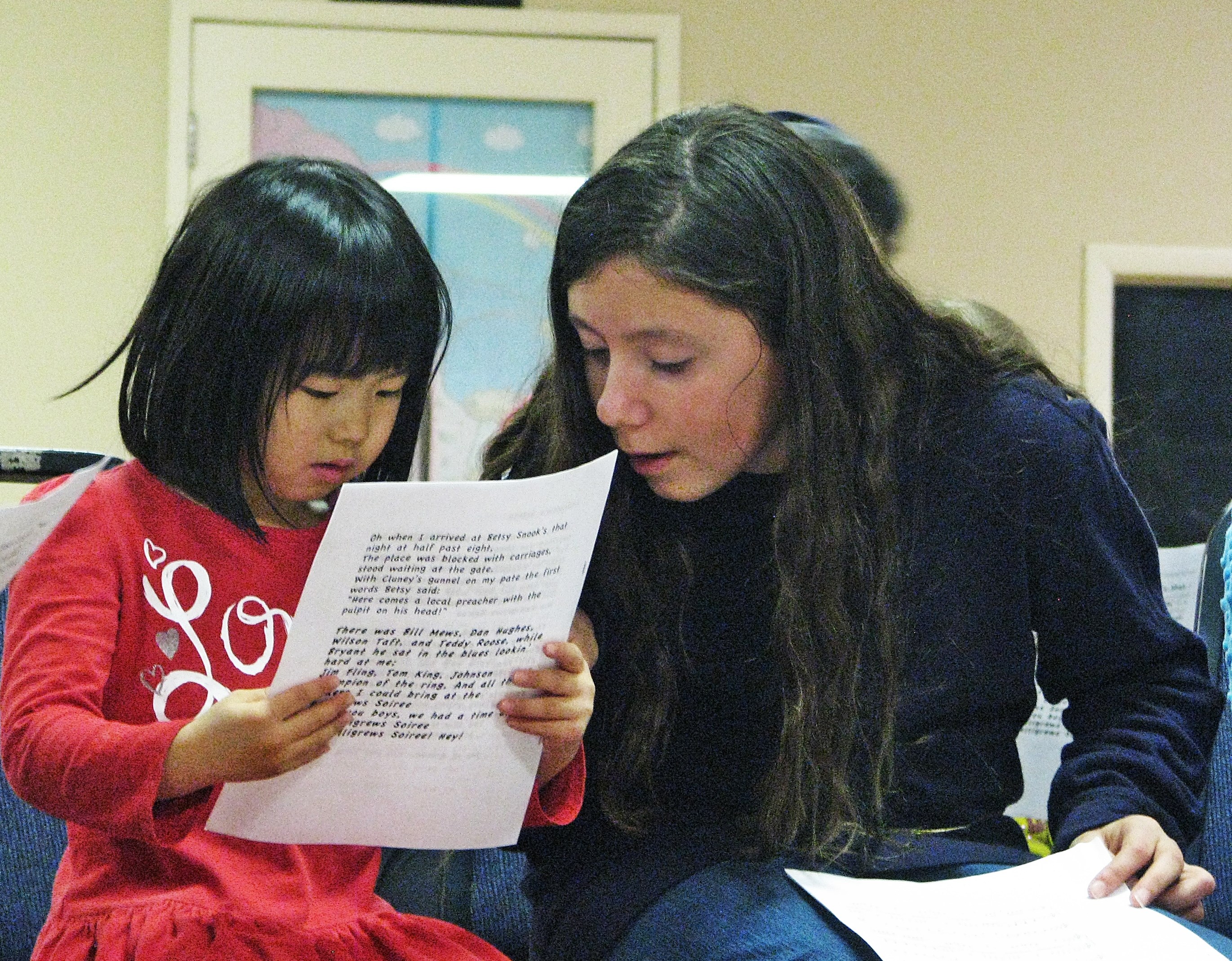
There are many reasons why it is valuable to sing with others, but it is especially beneficial to sing with others of different ages. Here are three reasons why:
#1. Voice types:
For many children, being able to sing with the full spectrum of voice types is something they have to wait until they are grown to experience. Because our program runs from age 3 up until age 25, and because we often sing with adult choirs, and musical groups with varying voice types, we are able to expose our choristers to the full range of the human voice. This is essential to their ear training, and to their confidence as singers, as they move from childhood through adolescence and into adulthood.
#2. Musical Abilities:
We accept singers of all abilities, and this helps us to foster a community of people who above all, love singing. We believe that everyone has something to learn, and that allowing different ages, and musical abilities to come together to make music, ensures that everyone can take something valuable away from the experience.
#3. Mentoring:
In the Calgary Children’s Choir we have developed a mentorship program from our youngest singers to the oldest. This program ensures an inclusive, and welcoming environment for all singers, and provides support to our newest choristers, or those who need extra help with music. Our eldest choristers, look out for the youngest ones (and sometimes vice versa!), ensuring a caring, and committed group of choristers who are happy to be together and make wonderful music!
Why do you think it is valuable for people of all ages to sing together? Tell us in the comments below!

Aside from our regular rehearsals, the choir also has several important dates to remember during the year. Here are several steps to help you remember the important dates for choir:
#1. Ensure you receive a calendar at the beginning of the choir year:
Our business manager Mrs. White, gives each chorister and their parents a schedule for the year upon registration. In addition, all of the important dates for the choir year can be found on our website. We have a dedicated calendar that lists all of the important dates, including workshops, and concerts. By clinking on each event, you can see the full details. We also have a list of the concert schedule for each choral year.
#2. Ensure you don’t schedule any conflicts on these important dates:
Concerts and workshops are an essential part of the choir experience. It is important to do everything you can to ensure you don’t have any scheduling conflicts with these events. Make sure you write important choir dates down on your personal calendars, so you don’t miss anything!
#3. Rest up:
Concerts and workshops take a lot of energy. There is nothing worse than feeling exhausted or sick on a concert day, so make sure that you’re taking care of yourself in the days leading up to these important events. Resting, eating well, and making sure your voice is in good shape, will help you to be at your best for workshops and concerts!
How do you remember important choir dates? Tell us in the comments below!

The Calgary Children’s Choir will be going on tour in the summer of 2015, and we are so thrilled to be returning to the Unisong music festival in Ottawa! The choir first attended the Unisong music festival in 2007, and we are very excited to be returning again.
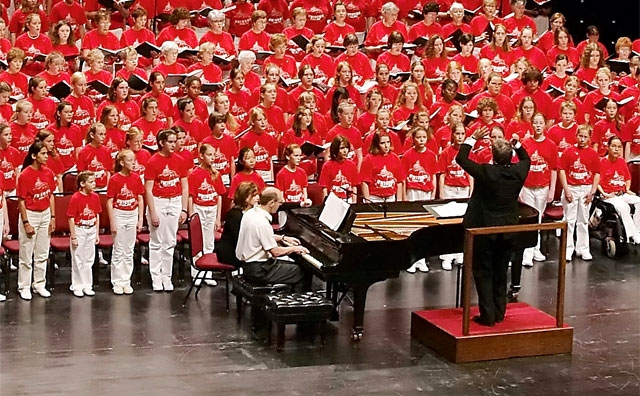
The Unisong choral festival takes place every year at the end of June, and culminates in a mass choir performance on Canada Day! Choirs from all over the country come to take part in smaller concerts, work with different conductors, and then sing as part of the mass choir. This tour is a great opportunity to learn more about our nation’s capital city, to meet people from different choirs across the country, and to sing beautiful music together!
Tour is also a wonderful time to get to know about your own conductor, and fellow choristers. Read more about the value of touring here.
Will you be coming on our 2015 tour? Have you sung in the Unisong choral festival before? Tell us about it in the comments below!
In preparation for our upcoming concert, Songs of the Cinema on May 10th 2014, we are starting a blog series of the same name, which will focus on a different aspect of ‘movie music’ each week!

Movie musicals are a genre of film, and were a natural extension of theatrical musicals, when audio technology advanced to a point where musicals could be successful on screen.
Although there were a few short films that included music in the movie, but without an audio track. The first feature length film including both music and an audio track with dialogue (although admittedly the dialogue was sparse), was The Jazz Singer, released by Warner Brothers in 1927. This marked the golden age of movie musicals, spanning nearly three decades.
As movie musicals grew in popularity, it made household names of several actors, including Fred Astaire, Ginger Rogers, Judy Garland, and Mickey Rooney. This era saw films like, 42nd Street, Shall We Dance, Easter Parade, and Singin’ In The Rain gain great popularity.
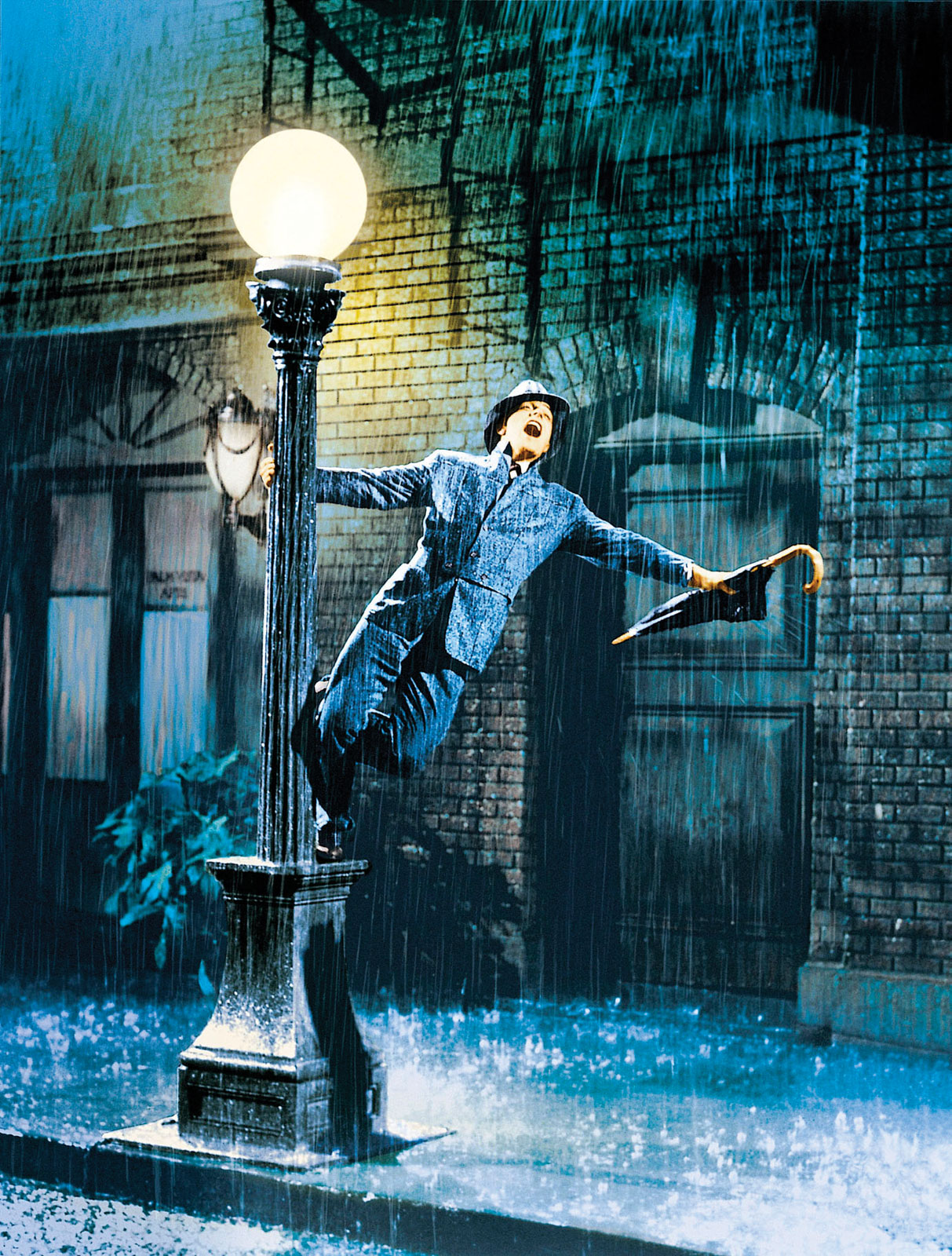
After the 1960’s, although there were some fantastic musicals produced, including The Sound of Music, Funny Girl, The Wizard of Oz, and West Side Story, there were also a few musical movies that did not do as well, and the studios began to produce fewer of them through the 70’s, 80’s, and 90’s.
Fortunately, there has been a resurgence recently in the popularity of musical movies, spurred on by Disney’s inclusion of music in their movies, seen in such films as Anastasia, the Prince of Egypt, and most recently, the movie Frozen.

Western film is not the only film that includes music in movies. Spanish operettas, called Zarzuelas, are very popular, and Indian cinema has an incredibly popular movie musical scene called Bollywood, that have begun to inspire Western cinema. This influence has been seen most notably in films like Moulin Rouge, and Slumdog Millionaire.
So, are you a fan of movie musicals? Tell us which one is your favourite in the comments below!
Singing For the Joy Of It is the motto of the Calgary Children’s Choir, and has been for the past 27 years! We asked Rosemarie Sherban, the choir founder, how she came up with the choir’s powerful and meaningful motto, what the motto means to her, and if the choir is still living up to the motto:

The goal of the Calgary Youth Choir Organization (as the Calgary Children’s Choir was originally known) was to create a singing environment whereby a love of singing is embraced and developed. In the past, singing was a part of any family or cultural gathering. School music programs, where once singing was the core of the music program, have now become centred around band programs. So it is up to choral programs like the Calgary Children’s Choir to give each chorister a positive experience with singing that they will, as they mature into adulthood, seek out a place to sing. Some may want to pursue a career in singing but many will not. For those who do not, it is hoped that the positive experience of singing in the choir will have them, as adults, seek out a community choir to join.
Creating a joyful choral experience can come in many forms. Perhaps it is experiencing that perfectly pitched chord or singing a song with total abandonment. It could be learning a piece of music by a great composer or singing “fun” songs around a camp fire. But what is pure joy for one child may not at all be what gives joy to others. Engaging hearts and minds creates a true joy in singing!
Is the choir living up to the motto?
From what I have observed, most definitely, yes! The repertoire and activities of the choir are very broad, providing a diverse experience for the choristers. The pictures from the Halloween concert, the recent choir tour, etc… showed the choir full of exuberance, and joy! The Faure Requiem, with the adults joining in, gives the choristers a marvelous opportunity to see that singing can be a lifetime activity.
So, do you think the Calgary Children’s Choir motto reflects our values? Tell us in the comments below!

Tour is just one of the many exciting benefits of joining a choir. The Calgary Children’s Choir tours every two years, and we carefully select touring destinations that enhance our music knowledge, and our cultural experiences. Here are three reasons why going on tour is such a valuable experience:
#1. Exposure to new cultures:
Travel is a wonderful way to be exposed to new cultures, ideas, languages, and most importantly on choir tours, new kinds of music. While on tour, choristers are immersed in all the tour destination has to offer; food, historical and cultural landmarks, language, and of course, music! This provides an invaluable experience to young minds, and fosters an interest in other cultures, and their music!

#2. Musical Memories:
Any kind of travel forms lasting memories, but a choir tour exposes choristers to a unique kind of experience; musical memories. Because the main goal of a choir tour is to educate choristers about new and different kinds of music, or performers, the memories made while on tour, are often associated with music. This is an exceptionally powerful kind of muscle memory, and it means that those recollections will be that much more potent. Memories made on tour last a lifetime!

#3. Choir cohesion:
Going on tour, is a much different experience than a weekly, or even twice weekly choir rehearsal. On tour, almost every moment is spent with the choir, or with a small group of the choir. This is a time when friendships between choristers, and their conductors flourishes, as everyone gets to know each other, and form meaningful connections from shared experiences. Eating, sleeping, singing, and visiting new places together forms a really wonderful bond between choristers who travel together. Amazingly, this tight bond is reflected in the quality of the touring choir’s performances! The choir that tours together, sings even more beautifully together!

Tell us, what do you love most about tour? Where do you hope the choir is touring on our 2015 tour?
The term “classical music” has become something of a misnomer, used to describe virtually any music that was not written within the last fifty years. This can be quite misleading, as the term “Classical Music” is actually used to describe a very specific time period in music history. Most importantly, the term refers to stylistic features that are unique to the Classical music era.
#1. Brief (very brief!) history:
The Classical era in music occurred between ~ 1730 and 1820. These dates are inexact, because composers created music that was stylistically classical both before and after these dates. In Europe at the time, art, architecture, dance, and music were all experiencing a fundamental change from the stylistic features of the Baroque period which preceded the Classical period. Many of these changes were inspired by changes in the social, and economic fabric of Western Europe at the time;
#2. Stylistic features:
Music composed in the classical period share many common stylistic traits. Stylistic trends of classical music include cleaner, simpler music, a stark contrast to the intricate ornamentation of the Baroque period, homophonic music (melody over accompanying chords), and increasing dynamic contrast and range. As well, orchestral instrumention became standardized, and instrumental music became increasingly important.
#3. Notable classical composers:
While there were numerous composers composing wonderful music in the classical period, there are several whose musical works were so notable that they defined the Classical music era.
Haydn: An Austrian composer who was an especially important composer in the areas of symphonic music, and the evolution of the string quartet. He was a very prolific composer, and played an important part in developing the sonata style which became a hallmark of Classical era music.
Mozart: One of the most infamous composers in history, Mozart had a very short life, dying at the age of 35. Despite his short life, Mozart composed over 600 works, and was most noted for his symphonic music, concertos, and his contributions to opera buffa.
Schubert:Schubert was another short lived composer; he died at the age of 32. He too was prolific, but unlike Mozart and Haydn, the bulk of Schubert’s compositions were vocal works. Of principal importance were his lieder (art songs). Schubert is also a transitional composer; many of his later works began to demonstrate stylistic features found most commonly in Romantic era music.
Beethoven:Probably one of the most famous composers in history, Beethoven is another transitional composer. His early works were heavily influenced by Mozart, but his later works moved towards stylistic trends found in Romantic era music. Most notable, despite losing his hearing beginning at age 26, Beethoven continued to compose, and perform, even when the hearing loss became profound.
Did you learn anything new about Classical era music? Who is your favourite Classical era composer? Tell us in the comments below!

Welcome to 2014! Hope you all had a wonderful holiday! We are so excited to be starting another great season of singing. There are a number of exciting events planned for the coming months.
In March, we have our Folk Concert entitled Cantar! Spain, in Song. The concert will be held at 7:00 pm at the Rozsa Centre, on March 8th, 2014.
Our annual spring concert, entitled, Songs of the Cinema, will feature pieces made famous through movies, and television! We are very excited for this concert, which will also be held at 7:00 pm at the Rozsa Centre, on May 10th, 2014.
Check this blog every Monday for new posts. This year we will be featuring some interesting articles relating to our upcoming concerts, including a Songs of the Cinema series in April!
What are you most excited about in the upcoming 2014 Calgary Children’s Choir singing season? Tell us in the comments below!

Text is an integral aspect of music, and is generally only found in vocal music. For the most part, instrumentalists do not have to worry about diction, enunciation, pronunciation, and most importantly, the detailed process of understanding the text.
For singers, text is an inherent facet of music; one that provides us with another important layer to explore when learning music. Many composers of vocal music, begin their compositions by choosing text, and then compose music that is informed by that text, in order to augment, and intensify the underlying message.
Because text is such an important part of singing, analysing that text is a fundamental step in the process of learning music, and an inherent aspect in bringing a piece of music to life. In choir, we often have discussions about the meaning behind a piece we are learning.
Here are some things to consider when analysing text:
– Do you understand the meaning of every word in the text? (This becomes especially important when the text is in a language you don’t understand.)
– Which words are the most important in both the sentence, and within the musical phrase? These are the words that should be highlighted when singing.
– How does the music reflect the text, or vice versa? There are often subtleties in the music that help to amplify the meaning of the text, which singers need to recognize.
How often do you consider the text of a piece you’re singing?

What can I say about today that will do it any justice? One thing is certain: it is unanimous among the touring choir that today was one of the most amazing days ever!
It began with the world-famous Notre-Dame Cathedral, which is hard to even describe if you have never been. It’s more than just a Gothic cathedral, it is so beautiful and it has its own energy, it really seemed as though we had reached the very heart of Paris. Since we were a group, looking very classy in our kilts, we got to skip the line and see “backstage”! This included seeing gargoyles and statues most people don’t see, and a “secret” spiral staircase that was altogether wonderful and a little scary.


After a brief rehearsal we were led upstairs into the cathedral itself. It was everything we had been told and more: huge, elaborate, mysterious, and filled with light pouring in from the stained glass windows. And although he is a fictional character, the place is so alive it seemed that any minute Quasimodo himself might appear from some hidden corner. We took to the stage as a silence descended upon the THOUSANDS of people in attendance, to perform our acapella set. There were around one hundred people seated to watch us, and of course, tours were constantly going through the cathedral the entire time.
It was like nothing we had ever experienced. The thrill of singing in such an historic and elite venue, filled with beauty and people from all around the world, of all different faiths, really inspired our sound. There is nothing like singing and hearing the reach of your voice bouncing back to you from vaulted ceilings and angel statues. It sent shivers down my spine and I know it did for the other choristers too.
All too soon it was over, but the whole audience broke out into applause as soon as we were done and we couldn’t stop beaming. To think our little choir from Calgary was doing this once-in-a-lifetime concert made us proud and appreciative of the gift it was to be here. When we got downstairs we were literally jumping from joy and excitement. There were even some happy tears shed, and an impromptu group hug! Ms. Strome surprised us with bracelets for us to wear for the rest of the trip, so that we would look at them and remember where we got them, and what we had just achieved.
We then had a few minutes to look around, nowhere near enough time, but you could have all the time in the world and not know enough. We walked around in awe of the cathedral, taking pictures that in no way do it justice. As we left for lunch, the bells were just beginning to ring the hour. It seemed to me that this time, the bells were ringing to thank us. We ate our lunch right outside the church in the bright sunshine as we ‘people-watched’ in the front courtyard; the bells deafeningly beautiful.

After that is was a quick walk to the bus. Paris truly is an amazing city. Every bridge is covered with locks placed there by lovers, musicians play soothing jazz, and each building looks like it is from a gilded fairy-tale. Their town hall looks like a fantasy castle!
Our afternoon proceeded with a bus tour led by the knowledgeable Anika. And everything you can think to see in Paris we saw: the Arc de Triomphe, the Latin Quarter, Luxembourg Palace, the Grand Palace, the Louvre, the Egyptian Obelisk, the Champs d’Elysee, the Eiffel Tower, the Museum d’Orsay, the Invalids Palace, the military academy, and more! Rest assured everyone is coming home jam-packed with knowledge and photographs of this bustling metropolis!


Rather than go back to the hotel before the concert, (traffic is absurdly bad in Paris), we were given some free time in the public park between the Concord Square (where the obelisk is, and where they are setting up for their national day festivities and the end of the Tour de France!) and the Louvre on the Champs d’Elysee. Choristers had time to buy refreshing ice cream, a few souvenirs, and to relax in the shade.
We were then back on the bus and whisked away to the Eglise Saint-Eustache. Mozart’s mother is entombed here. It is Renaissance in style with a more streamlined appearance; less cluttered than the previous Gothic tradition, and is just as impressive as the Notre Dame. We were some of the only people in there at first, and it was just as awe-inspiring as our morning venue. They even had a poster advertising our performance to their other visitors! We performed in a small area at the very back of the church to an intimate audience of about 30 people and they were very enthusiastic, as was our wonderful host, Louis! They loved the Cantique de Jean Racine, and This Train is Bound for Glory the best, which we sang last. The sound from our last dramatic chord was still ringing all the way down to the entrance, one hundred metres away, when we made our final “chhhhhh” sound for the train. It was to great applause that we wound down our musical day, followed by a delicious dinner in a nearby restaurant.


I think we all agreed that this day was, in fact, the coolest day ever, and that it will be very difficult to top! But tomorrow is another day with more musical adventures in store!
– Kat Long
PS – check out this tweet from the Canadian Embassy in France! So cool!

Happy Canada Day!
We are so thrilled to be leaving tomorrow (July 2nd) for our 10 day tour of France and Spain! Stay tuned to the ‘News’ section of our website to keep updated with the tour blog that we will be keeping! The daily blog posts will start on July 3rd, and will also be found on our Facebook and Twitter accounts.
We are very excited to have our choristers writing the blog posts. Several of them have volunteered to share their pictures, and impressions on the blog, to keep everyone updated with their musical adventures!
The choir is also excited to announce our new mascots, designed and handcrafted for us by our amazing Creative Consultant, Kat Long. These mascots are named Piano, and Forte, and are going to accompany our choristers on tour! Make sure to keep an eye out for them in our tour pictures!


On Saturday June 29th, 2013, we had our touring choir workshop, followed by a casual concert. During the workshop, the choristers had some fun playing games outside in the gorgeous weather!


The casual concert was a great way for the choir to perform tour music in front of a live audience before we head off on our grand adventure!


So, what do you think of our new mascots? Will you be following along with our adventures in Europe? Tell us in the comments below!

Our final spring concert of the year, ‘A Fauré Into Spring’, was held Saturday evening in the Rosza Centre at the University of Calgary. The concert was emceed by our fantastic vocal coach, Jessica Lutzak, whose positive energy and cheerful words, helped to create the perfect spring mood. The concert was such a wonderful way to end off another fabulous year of music making with the Calgary Children’s Choir!
We were so fortunate to be joined by the Crescent Heights High School Choir, the St.Giles Presbyterian Choir, members of the German Men’s Choir, select alumni, and a myriad of amazing instrumentalists, as we performed Fauré’s Requiem.
Our dress rehearsal in the morning was the first time we had all performed together. It was amazing to hear all of the voices and instruments together, and to experience the thrill of singing as part of a hundred voice mass choir!


The concert started promptly at 7:00 pm. The first half was devoted to a variety of French music. There were several pieces by Fauré, such as the Cantique de Jean Racine, performed by the mass choir, Rêve D’Amour, performed by the Junior Choir, and Maria Mater Gratiae, performed by the Junior and Children’s Choirs together.
Then the Crescent Heights Vocal Jazz Ensemble sang two pieces that helped to set the spring mood, Lullaby of Birdland, and Blues Skies.
This was followed by a duet by our two amazing accompanists, Susan Woodward, and Alena Naumchyk, who performed Fauré’s Pavane. The next piece, Dream a Dream, which sampled the melody from Fauré’s Pavane, finished off the first half of the concert wonderfully!


After a brief intermission, the mass choir returned to perform Fauré’s Requiem. This seven movement piece features a wonderful baritone solo, and we were so lucky to have the amazing Paul Grindlay, perform as our soloist! The Requiem was amazing, and we were all so proud. It was such a fantastic opportunity for our young choristers to be exposed to wonderful music, and the amazing breadth of musical talent we have here in Calgary!


We could not have asked for a better way to end our 2012-2013 singing season!
One of the most important symbols of the Calgary Children’s Choir is the iconic kilt worn as part of our dress uniform.

Our kilt is made from an authentic Scottish pattern called a tartan. The specific pattern we use is called the Thom(p)son Grey tartan, and it was registered with the Scottish Tartans Authority in 1958 by Lord Thompson of Fleet. Tartans (as opposed to checks) have three hues, and are registered to a particular clan, or family. Thus, the Thom(p)son Grey Tartan, is associated with the Thom(p)son family, and it is just one of a number of different tartans associated with the Thom(p)son clan, all of which can be seen here.
The Calgary Children’s Choir adopted the Thom(p)son Grey tartan for our dress uniforms in 1997. Our artistic director, Marni Strome, wanted to use a kilt that incorporated the red, white, and black choir colours that had already been established at the time. The board president, Pat Fahie, found the Thom(p)son Grey tartan and the choir has been using it ever since!
Material for our kilts is ordered from Scotland through Halpern’s, a company that specializes in making school uniforms. Halpern’s then makes the choir kilts from this material. Each one of the Calgary Children’s Choir kilts have to be custom made, because the pleats of our kilts are only one inch wide. Most school uniforms have much wider pleats. The cost of a single kilt custom made for the Calgary Children’s Choir costs $300.00!

Did you learn something new about the Calgary Children’s Choir kilt? Tell us in the comments below!