Tag: music

  • How To Practice Singing Over A Break

    #1. Use Your Voice:

    The most important thing you can do for your voice over a break is to continue singing – every day if possible. It can be easy to stop singing as much during a break, and choristers often find that their range is not quite as large when they come back from a break. This is easy to mitigate, by continuing to sing, even if it’s just in the car, or the shower!

    #2. Work On Musicianship Skills:

    One of the most important skills for a singer is musicianship skills – improving your ear, and ability to understand the relationship between different pitches. There are many ways to do this, from ear-training websites, to practicing by yourself with a piano (or a piano app!)

    #3. Use Your Break To Discover:

    There are so many different genres of music, as well as different fields of study within music. A break is a great way to discover what other aspects of music interest you – whether it be learning more about music history, or music theory, exploring composition or improvisation, or even learning more about a genre of music you aren’t as familiar with – like jazz, or Baroque music. There are hundreds of years of music history, from all over the world, so use your break to discover what else is out there!

    How else can you use a break well? Tell us in the comments below!

  • 3 Reasons Why You Should Join A Choir Right Now

    #1. Singing together:

    Singing is a wonderful activity, as good for your physical health as it is for your mental well-being. While it’s wonderful, and very valuable to get one on one instruction in singing, learning how to sing with others is every bit as valuable! Choral singing has its own technical requirements and requires different skills than singing by yourself – such as harmonizing, blending, balance, and intonation.

    #2. Meet new people:

    Singing in a choir is a great way to meet new people from many different backgrounds, and life experiences. Bonding over music can lead to life-long friendships, as well as an appreciation for people who have different perspectives from your own. Choir attracts a wide variety of people, all with a shared interest and love of music, and is a great activity for people who are interested in getting to know others in a low-pressure setting.

    #3. Learn something new!

    Expanding your skill set is always valuable, and if you’ve always had an interest in music, but been a bit uncertain about taking lessons, or unsure about which instrument to try, a choir is a wonderful way to learn more about music without investing as much money or time, as other instruments. Because choir is a group activity, it has other wonderful benefits too, like shared community, built-in support system, and a sense of teamwork and working towards a common goal!

    Why else should you join a choir? Tell us in the comments below!

  • 3 Tips To Help You Get The Most Out of a Choir Workshop

    3 Tips To Help You Get The Most Out of a Choir Workshop

    Choir workshops only happen a few times a year, and at the CCC we like to schedule them a couple of weeks before a concert. They’re an excellent chance for us to really get into the feel of the overall concert, and to discover any areas of the music that aren’t quite working yet, or that need extra work. Here are three ways to help choristers get the most out of choir workshops:

    #1. Be Prepared to Work:

    Workshops can feel frustrating sometime because they are an opportunity to really get into the details of a piece of music, as well as to iron out any problem areas. This sometimes means that we don’t sing a piece through fully, or that we go over a particular passage a number of times. Workshops are exactly for this sort of targeted, specific practice, so lean into it, and appreciate that all this repetition, or focusing on just a few notes, is what will make the piece sound beautiful!

    #2. Make it fun!

    Workshops are often a chance for all of us to be together, all three of our performing choirs, all conductors and accompanists, and any of the musicians who will be joining us at our concert. It’s always so nice to see everyone, and catch up, so we try to have fun with our workshops and make sure there’s time to socialize.
    We also sometimes like to make it themed – for examples, we’ll often invite choristers to wear their pajamas to workshops!

    #3. Take responsibility:

    A workshop is a great way for individual choristers to evaluate how their own progress is in relation to the group’s progress. If you notice that there’s a part that you need to practice, make a note of it, and take another look at the section at home. Doing the best job you can do is part of being a good team member!

    How else can choristers make the most of choir workshops? Tell us in the comments below!

    Calgary Children's Choir

  • 5 Misconceptions About Choir

    5 Misconceptions About Choir

    #1. It’s too hard:

    It’s true, singing can be hard work, physically, mentally, and emotionally. But this is why choir is great – you don’t have to go it alone. In choir there is always someone willing to help you, whether it’s staying in tune, reading your music, or keeping in time with the accompaniment. Choir is a great place to learn, and to be surrounded by others who are learning too!

    #2. You have to already be good at singing to join:

    While there are some groups that are auditioned, and some groups do require prior singing knowledge, that’s not true of every group. We are pleased to be a non-auditioned choir, because we believe that everyone can be taught to sing, and most of all that anyone who enjoys singing should be able to do it!
    But don’t be scared off if you do find a choir that requires an audition – often the audition process is really just to find out more about your instrument – your range, and timbre, and what you know about music already. Many choirs are ‘teaching choirs’, so just because it says there’s an audition, it doesn’t mean you won’t get in, if you don’t know much about singing yet!

    #3. You have to sing and dance and act:

    While there are some groups who sing and dance (show choirs or glee clubs generally), most classical choirs do not sing and dance. While there are some pieces that have movement, or we may decide stylistically to add some movement, generally choir is about sound production above all else, so singing is the number one objective of a choir.

    #4. It costs a lot of money:

    Choral programs can sometimes be expensive, because there are many elements that make up choral programs – conductors, accompanists, music fees, rehearsal space rental, and uniform costs are just a few. Still, the CCC is proud to offer a low cost program, for exceptional instruction, with no mandatory fundraising. We believe in accessibility, which means that we also offer scholarships, and options for choristers who need some extra help.

    #5. Choirs only sing old, boring music:

    There are many choirs who sing classical music, but that’s not the only repertoire that they sing. As well, just because a choir sings using ‘classical’ technique, that doesn’t mean that they only sing classical repertoire.
    The CCC has sung many classical pieces, but we’re also big fans of folk music, pop music, jazz, and modern music. We also love supporting local musicians and composers, and we have even performed songs written and arranged by our own choristers! You can check out our YouTube Channel to hear examples of the many different kinds of music we sing!

    What are some other misconceptions about choir? Tell us in the comments below!

    Calgary Children's Choir

  • The Importance of Presentation In Choir

    The Importance of Presentation In Choir

    Presentation in a choral concert is an essential aspect of every performance – and there are several different kinds of presentation that inform a performance:

    #1. Visual presentation:

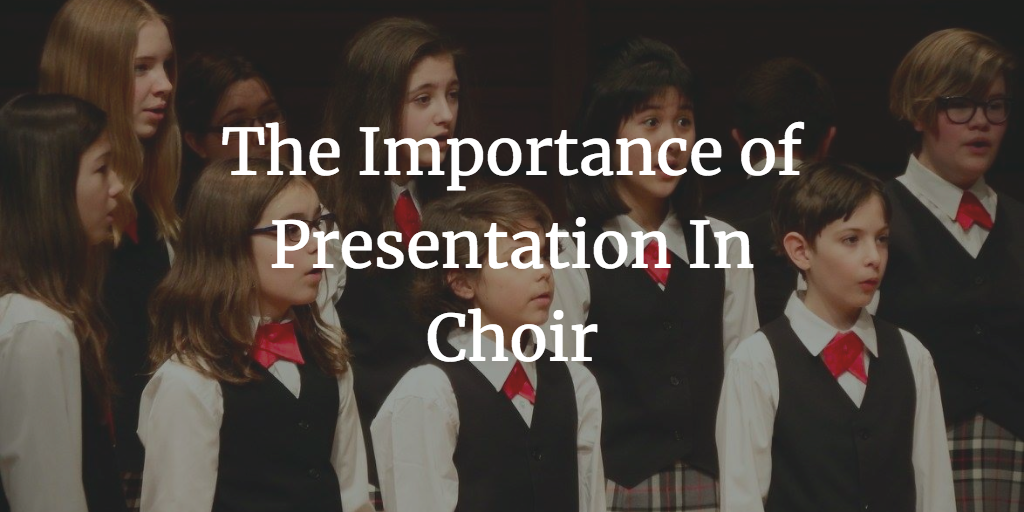
    The goal of choir is to present a multitude of varied sounds as one voice. Our objective then, could be hampered by an incongruous visual presentation. This is why we wear uniforms at concerts – when we look uniform, our visual presentation becomes unified, and helps us to present a unified sound. We also strive to stand still, or if we are using movement, we seek to have unified movement as well, helping us to present the best choral sound possible!

    #2. Auditory presentation:

    Our presentation of sound is obviously one of the most important aspects of a choral concert. We spend a great deal of time working on creating blended sound; focusing on our vowels, listening, and our harmonizing skills. More than that though, we work on the dynamics, tempo, and word-painting to present our best sound during a concert. The mood that we can create with our sound helps us to convey the essential aspects of music that audiences love!

    #3. Storytelling:

    Another essential aspect to a choral performance is storytelling. Music is about communicating, and since singers have the added layer of text to inform our performance, how we present our pieces to the audience is essential. Our choristers spend time in rehearsal discussing the meaning of pieces, as well as the history of the music, and the composer who wrote the music. All of this information, as well as our own interpretations of the music help us to convey the meaning of our music to the audience!

    How else is presentation important in choir? Tell us in the comments below!

    Calgary Children's Choir

  • 5 Ways To Cultivate Community In Choir

    5 Ways To Cultivate Community In Choir

    We are so very fortunate in the CCC to have a thriving community of not just present choristers, but alumni as well. Creating a sense of community, and belonging, is very important to us, and we work hard to make sure that the only requirement for inclusion in the CCC is a love of music! Here are 5 ways to help you cultivate community in choir:

    #1. Join!

    The single best way to help you cultivate community in choir is to join! Choir is tailor-made for celebrating our community, and at the CCC we pride ourselves on being welcoming, inclusive, and open to everyone who loves music! If you want to sing for the joy of it – come join us!

    #2. Attend camp:

    We purposely open our year with a camp – away from the city, and out in beautiful Bragg Creek, so that we can really bond as a group before we get into the busy singing season. This is one of the best ways to really form relationships with other choristers, because we spend all day together, for a whole weekend! Our children’s choir and youth choir also go on a winter retreat in January!

    #3. Buddy up!

    At the CCC we are all about mentorship! We are proud to have a long legacy of choristers who take care of one another, and so we have a buddy system, where the older choristers mentor the younger ones, and in turn are mentored by our Youth choir members. Being a good buddy is an excellent way to foster a community feeling, so lean into it!

    #4. Learn from your neighbours:

    Although we seat our choristers by section, getting to know the people sitting next to you in choir is a great way to meet new people. Have a chat with the person next to you (before choir starts, or at break!), and you’ll learn so much about them. Choir is all about listening, and learning from those around you, so make sure to absorb everything you can from those around you – no doubt they’re doing the same!

    #5. Stay awhile:

    Many of our choristers stay for years (sometimes even decades!) in the choir. We have medals that we give to choristers who stay in the CCC for 5, 10 and recently 15 years! It can be difficult to stay in one activity for a long period of time, especially when there are so many interesting activities out there, but we promise if you stay with us for a while, you will make some life-long friends, gain a new appreciation of quality music, and some essential life skills!

    What are some other ways to cultivate community in choir? Tell us in the comments below!
    Calgary Children's Choir

  • What Is The Best Age To Start Singing?

    What Is The Best Age To Start Singing?

    The obvious answer to this question is – as soon as possible! Babies start ‘singing’ as soon as they’re able to vocalize – experimenting with their instrument, and exploring the range and versatility of their voice!
    For the purposes of this blog post though we’ll discuss the best age to start formal instruction in singing:

    #1. Early childhood music education:

    There is quite a bit of research that shows that the earlier a child is exposed to music education, the more benefits they receive from that education.
    At the CCC we start our Music Makers program as young as 3 years old. We begin our musical instruction by introducing children to basic musical concepts, such as rhythm, pitch, and the diatonic scale through a mix of games, group singing, and movement. The goal of these classes, is to develop an inherent understanding of music, through fun and enjoyment of learning, without the pressure of performance.

    #2. Choir versus singing lessons:

    Choir and singing lessons are often viewed as an ‘either/or’ proposition, but at the CCC, we don’t believe that division is necessary – each type of instruction can benefit the other! We believe that choir is the best place for younger voices to begin, since there’s less pressure to focus on projection, and more importance is placed on blended sound. The human voice doesn’t fully mature until our mid to late 20’s – so putting too much pressure on young voices can harm them prematurely.
    In both choir and voice lessons, instruction includes introduction to basic music theory, and music history elements, good vocal health, musicianship skills (ear training), and application of this knowledge to repertoire. Both choir and singing lessons teach confidence, project management (in preparation for concerts and festivals), and organization.
    Choir focuses more on blended sound, harmonization, and excellent listening skills, while voice lessons focus more on projected sound, presentation and storytelling, and working closely with the accompaniment.
    We recommend that children interested in singing should begin their musical education in choir, and wait to start singing lessons until they are in their tween/teen years.

    #3. Singing for community:

    Voice lessons aren’t for everyone. Many people are nervous about performing by themselves, particularly as their voices change and develop in their young teenage years.
    This is why we believe in the power of choir! Singing with others is an excellent way to boost self-confidence, to develop a sense of community and teamwork, and becoming more attuned to your body and mind through singing!
    The sooner you start singing with others, the more time you have to enjoy! Many of our choristers have made life-long friendships with other choristers, and have developed a love of music that will extend throughout their entire lives!

    Do you have any other questions about when to start singing? Let us know in the comments below!

    Calgary Children's Choir

  • Imperfection In Singing

    Imperfection In Singing

    Singing is difficult for many reasons, but one of the hardest things to deal with is how personal our voices are to every individual singer. Each voice is unique to that person, and as such, singers have an extra level of difficulty to deal with when learning how to use their instruments. Here are three ways to deal with imperfection in singing.

    #1. Mistakes are expected:

    Making a mistake in singing, or having your voice not respond in the way you’d like shouldn’t be considered a source of embarrassment. Our voices don’t come out of a manufacturing plant, or a production line, as many other instruments do. Our instruments are also not only affected by weather, and temperature, but also by the food we consume, and even how we’re feeling each day. This means that from day to day our voices can sound different. ‘Mistakes’ or variations in our voices are not only expected, but natural, which is why we spend a lot of time discussing how to manage our voices, instead of trying to control them.

    #2. Something new:

    Sometimes, what seems like an imperfection actually becomes a part of something new. Take pitch bending for example. In Classical music, singing in tune, with a high degree of accuracy is essential. ‘Scooping’ (dragging sound from one note to another) is not regarded as good technique. However, in pop music, and much of jazz, scooping, or pitch bending is considered essential, and is a skill to be developed in its own right! What is regarded as imperfection in one style, can be essential in another style!

    #3. Individuality:

    The individuality, and unique quality of our voices, which can sometimes feel imperfect, because they do not conform to any one sound, actually contribute to making our music feel more human. There is plenty of research to show how positively humans are conditioned to react to the sound of human voices, even from the womb.
    This means that the very imperfections, which we sometimes criticize ourselves for, are the very things that set our instruments apart from others, as well as what makes people so intrigued by, and musically responsive to, the human voice.

    What are some other tips to helps us with imperfection in singing? Tell us in the comments below!

    Calgary Children's Choir

  • The Importance of Music Theory In Singing

    The Importance of Music Theory In Singing

    Music theory is often a chorister’s least favourite part of choir. But learning to read and understand the technical aspects of music, though difficult, is ultimately extremely rewarding.

    #1. Musicianship:

    Singing requires an excellent understanding of the relationship between notes, because unlike other instruments, singers do not have keys, or strings, to manipulate to elicit the appropriate pitch. Instead, singers must have a clear understanding of pitch in their brain, and then employ a wide variety of other techniques in order to produce the correct pitch. Understanding the fundamental aspects of music theory is essential in developing good musicianship skills, and will enable singers to excel.

    #2. Mimicry:

    Unfortunately mimicry is often what happens when singers don’t learn music theory fundamentals. ‘Learning to sing’ via mimicry (which is enabled by the ubiquitous nature of YouTube and similar platforms) is incredibly limiting, and does not allow singers to learn anything about music outside the context of the song they’re mimicking. Without the crutch of the piece they’ve learned to mimic, singers who learn in this way, flounder, and have difficulty succeeding.

    #3. Improvisation:

    Improvisation is the ability to take a musical idea, and make it your own. It is a feature common in jazz music, and more popular music, although there are aspects of it in classical music – particularly in the Baroque style. Although improvisation is technically ‘making something up’, those musicians who truly excel at improvisation and composition, are ones who have an incredibly detailed knowledge of music theory. They excel at ‘making things up’ because they know how the rules of music work, and thus know which rules can be ‘broken’ in a way that sounds interesting and creative. Singers interested in improv or composition must have a solid knowledge of music theory!

    What are some other reasons music theory is important in singing? Tell us in the comments below!

    Calgary Children's Choir

  • 3 Tips To Protect Your Singing Voice

    3 Tips To Protect Your Singing Voice Calgary Children's Choir

    The human voice, though one of the most powerful instruments, is also an extremely delicate instrument, and can be adversely affected by any number of seemingly innocuous forces. Here are three tips to help you protect your singing voice:

    #1. No screaming:

    This is, hopefully obvious, but people frequently misuse their voices; by raising their voice, by not supporting their sound, or even by talking too much. There are a number of ways to misuse the voice, but in general people know when they’re doing it. So if you know you’re going to be talking a lot, make sure to hydrate really well the day before. And if you must scream, make sure you support that scream with excellent breath management techniques.

    #2. Coughing:

    Although coughing can sometimes feel helpful, and can sometimes feel involuntary, excessive coughing, or even clearing your throat can be wearing on your voice. As much as possible, try to swallow if your throat feels irritated, instead of coughing. You can also try a throat lozenge, or some tea with honey!

    #3. Sing!

    Using our voice regularly, and with good technique is one of the best ways to protect our instruments! By making use of your voice habitually, you will condition it, as well as the important muscles used in good breath management, to work well for you. Singers who frequently sing have improved breath flow, posture, and even improved circulation. Protect your singing voice by using it!

    How else can you protect your singing voice? Tell us in the comments below!

    Calgary Children's Choir

  • How To Deal With Comparison in Choir

    How To Deal With Comparison In Choir

    Singing in a choir means singing with other people, of different ages, abilities, and interests. This can be wonderful for many reasons, but it can also cause us to compare our voice to others, and find ourselves lacking. Here are three ideas for how to deal with comparison in choir:

    #1. Don’t compare apples to oranges:

    Comparing your voice to someone else is inevitable, but unfair to yourself. Unlike every other instrument, which are made to industry standards, and often manufactured from pre-set specifications (check out a Steinway piano factory here), human voices are incredibly unique. In fact, they’re so unique that they can be used to identify individuals, much the way fingerprints are used in biometric scanners. The quality and tone of your voice can even change on a daily basis, due to illness or even changes in hormone levels. So comparing your voice to someone else’s is an exercise in frustration, because they will naturally be quite different.

    #2. Choir composition:

    Because our choirs are composed of singers at all different levels of music education, it makes sense that you might hear some voices that sound ‘better’ than yours. Instead of hearing someone who’s musical education is more advanced than yours, and feeling despair, use this as inspiration!
    One of the reasons we have mixed age choirs is so that our choristers can learn from each other. If you know someone near you understands music better than you do, and has more control over their instrument, be sure to watch how they learn, or ask them for help! Your fellow choristers can often offer insights that will be very beneficial to you, since they are also learning!

    #3. Subjectivity:

    Beauty is entirely subjective, and so too is the perceived beauty of an individual’s voice. Some people love Adele’s dark, huskier sound, while others prefer Mariah Carey’s lighter coloratura. Just because you don’t find a particular voice tone or colour beautiful, doesn’t mean everyone else does. Remembering this when you find yourself comparing your voice to another voice will be helpful. In the same way that someone who is short cannot magically wish themselves tall, you can’t wish the natural sound of your voice away – and you never know who might be wishing they had your voice, instead of the other way around!

    What are some other tips for dealing with comparison in choir? Tell us in the comments below!
    Calgary Children's Choir

  • 3 Unusual Reasons We Love Singing

    3 Unusual Reasons We Love Singing

    Singing is wonderful for a number of reasons, but here are three slightly unusual reasons why we love to sing!

    #1. It’s hard!

    This may seem like an odd reason to love something, but the truth is that singing is difficult. It’s difficult physically; from breath management, to core support, and projection. Singing is difficult mentally – from learning songs in different languages, to text analysis and memorization, and it’s also difficult psychologically, in how we think about our unique voice and sound.

    But engaging in difficult activities is wonderful for us, and gives us something to strive for. The feeling of accomplishment, and confidence that comes from tackling a difficult subject and succeeding cannot be overstated! So even though singing is hard – we love it!

    #2. It teaches us to think about our body differently:

    Because we cannot see the parts of our body that allow us to sing, the way other instrumentalists can look at and manipulate their instruments, singer have to think about their body in a very different way. We teach singers to cast their ‘mind’s eye’ inwards, and to create pictures in their head of what their diaphragm, esophagus, and larynx look like. We also focus on teaching choristers how to make minute adjustments to their mouths, tongue, and lips to create the sound we want.

    This incredible focus inwards on our bodies, changes our relationship with our bodies – making us more attuned to slight misalignment, and to the subtle nuanced messages our bodies relay to us.

    #3. Singing gives us other life skills:

    When we learn how to sing, and to sing well, we aren’t just learning about music and vocalizing. We are learning a variety of other skills that can have a host of benefits in areas other than music.

    From presenting information, to meeting deadlines, learning to project our voices, organize our time, and to discipline ourselves towards a goal, singing gives us many skills which will be essential in other areas of our lives.


    What are some other unusual reasons you love singing? Tell us in the comments!

    Calgary Children's Choir

  • Constructive Criticism In Choir

    Constructive Criticism In Choir

    Getting feedback on your performance is a common aspect of almost every endeavour. While it can be a bit uncomfortable to receive feedback about something as personal as your voice, and your singing, constructive criticism is an essential aspect of singing, and particularly singing in a choir. Here are three things to remember about constructive criticism in choir:

    #1. Singing is not about perfection:

    Singing, and music in general, is a very subjective experience. Like many art forms, there is no simple formula for getting it ‘right’, because ‘right’ is different from performance to performance. There will never be a perfect performance, because perfection is an impossibility. There will always be something to be improved.

    Instead of viewing this as negative, re-frame this idea as positive. There will always be something to work on, some aspect of the performance to improve. The beauty of this is that there is no ‘finish line’, the work is never done. It also means that each performance can have a different quality, making each experience individual and unique.

    #2. Choirs receive feedback as a group:

    Because choirs are, by their very nature a group endeavour, constructive criticism is almost always delivered to the group at large, or by section. It is very rare, and frankly not entirely helpful for an individual to be singled out and criticized. After all, when the choir is successful we don’t praise individuals, we praise the group. The same is true for feedback.
    It can feel very true that there is safety in numbers, but there is something solidifying and unifying about receiving constructive criticism as a group – it reinforces the sense of team, and community, and also makes any criticism feel less personal, and more constructive.

    #3. Feedback can come from your peers:

    One of the best ways we have of learning is from our peers. When we sing in a choir we have the voices of many people around us to instruct us. Their feedback doesn’t even need to be conscious or spoken. If you can tell that your sound isn’t quite matching that of your peers, listen and adapt your sound to try and match.

    In the CCC we also teach theory, and use solfege to help our singers learn to sight read. All of our choristers are more than happy to help those around them, who may not have as good a grasp on music theory or solfege as they do. This sort of peer feedback is essential in making sure that we help one another to grow as a group!

    How else is constructive criticism delivered in a choral setting? Tell us in the comments below!

    Calgary Children's Choir

  • Singers As Storytellers

    Singers As Storytellers

    The voice is a wonderful and singular instrument because of its unique ability to convey story. Composers have used variations in tempo, dynamics, melody, harmony and rhythm to convey a story, but singers have the added layer of text, and are thus uniquely equipped to also be storytellers. Here are 3 things singers must consider as storytellers:

    #1. Compassion:
    It’s essential for singers to be compassionate, because they are often telling stories of lives they haven’t lived. Conveying the experiences of others, especially when you have not shared those experiences yourself, requires a maturity, and a deep sense of empathy. Shifting your personal perspective to allow for the ideas and opinions of others to receive equal weight is an important aspect of the singer as a storyteller, especially since the stories singers are telling can be hundreds of years old; from a different time, and place.

    #2. Narrative:
    Telling a story that is sung requires both a compelling understanding of the text, but an even deeper understanding of how to use the music, and the human voice to convey all meanings of that text. A singer must use dynamics, tempo, inflection, enunciation, and emphasis to help them weave the text with the music to convey the true narrative.

    #3. Community:
    The best stories are the ones that truly resonate with a large group of people. Shared experiences shape our sense of community, and help us determine what holds shard meaning for us. Singers don’t necessarily need to have a community already, but they do need to consider the creation of one as they sing – including everyone, being open and honest, and sometimes vulnerable. Singers must be considerate of how their story will impact others; not everyone reacts to a story in the same way. Creating a safe space for storytelling through community is an important job.

    What else must singers consider as storytellers? Tell us in the comments below!

    Calgary Children's Choir

  • ‘Johann’s Gift To Christmas’ Concert Roundup!

    CCC Christmas 2017 Johann's Gift To Christmas

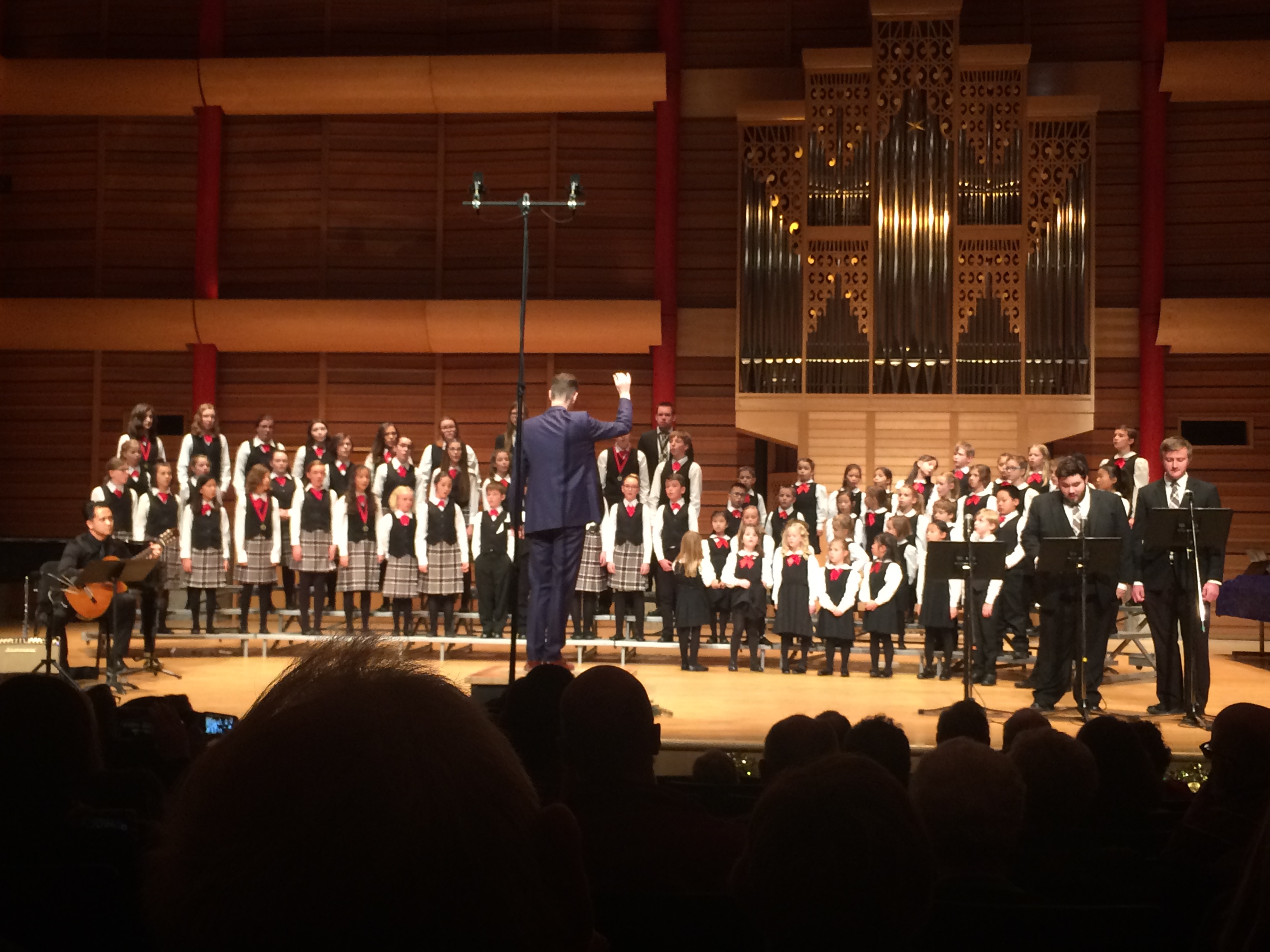
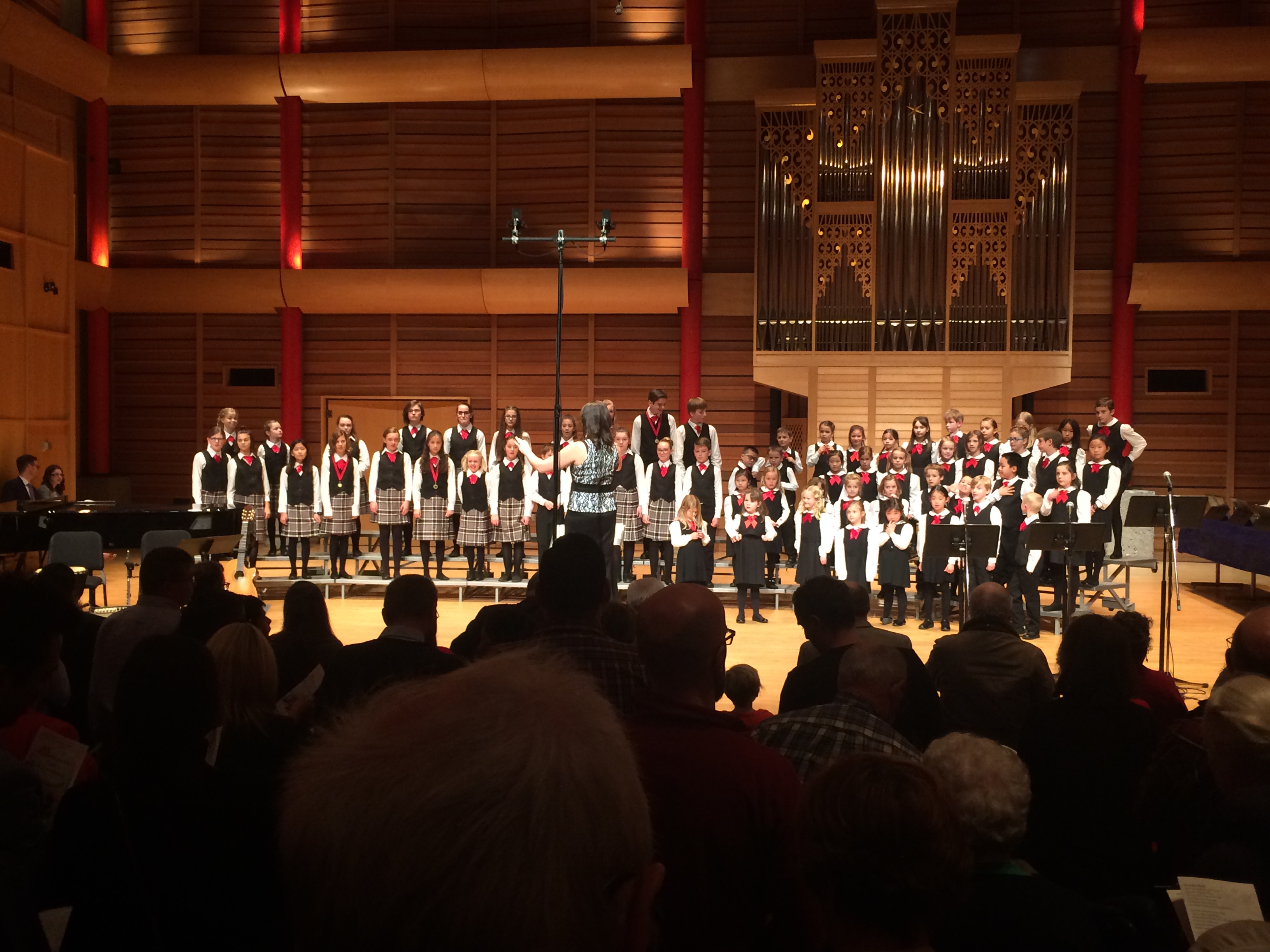
    This past Saturday we held our Annual Christmas Concert at the Rozsa Centre featuring our three performing choirs; the Calgary Junior Choir, Calgary Children’s Choir, and Calgary Youth Choir. We were also pleased to feature performances from our friends, Hilary and Noel of the Amante Duo, as well as our own choristers in the Calgary Youth Choir playing handbells!


    https://www.youtube.com/watch?v=OvzvT8FsDbs


    Centered around the heart-warming holiday story, ‘Johann’s Gift to Christmas’, we performed many songs of the season, as well as popular Christmas carols which we sang with the audience!


    https://www.youtube.com/watch?v=f93LWobQeeE


    Our Christmas concert is always one of our favourite performances of the year – it always gets us in the holiday spirit!


    CCC Christmas 2017 2

    *All photos and video taken by Heather Louden

    We’d love to know – what was your favourite part of the concert? Tell us in the comments below!

    Calgary Children's Choir

  • How To Sing Well In Chillier Weather

    How To Sing Well In Chillier Weather

    We all know how difficult it can be during the colder months in Canada – everything takes longer, and sometimes it’s so cold, it’s dangerous to be out in the elements for too long. This kind of weather has a direct impact on singers as well, so here are three tips to help you sing well during those cold winter months:

    #1. Dress for Success:

    Dressing for the weather just seems like common sense, but there are a few extra things you can do to help your voice out. Anytime your body shivers, you are creating tension, which directly impacts your sound. Make sure you’re wearing enough layers so that your body doesn’t need to shiver to create warmth. Protect your neck with a scarf, and try to cover your mouth and nose if it’s really cold outsie.

    #2. Nourish Yourself:

    It can be easy to forget to eat well, since we often turn to more comfortable food fare during the winter months. It’s especially important before a concert to ensure that you’re giving your body the best food and drink possible, so that you can be at your best. Hydration is especially important during winter months, since we often have to exert ourselves more, and the city is so dry in the winter. Make sure you’re drinking enough water!

    #3. Warm-up Well:

    It’s important to always warm-up before singing, but this becomes especially important during the winter months. Because of the dry air, and the cold air, our bodies produce more mucus, and dries our throat out. Give yourself an extra few minutes to warm up, and make sure to hydrate as you sing!

    How else can you prepare yourself to sing well in chillier weather? Tell us in the comments below!
    Calgary Children's Choir

  • The Benefits of Singing in the Community

    The Benefits of Singing in the Community Calgary Children's Choir

    The Calgary Children’s Choir performs three major concerts a year, including our upcoming Christmas Concert on Saturday, December 9th. Interspersed with these concerts are a variety of events out and about in the community, and it’s always such an exciting opportunity for our choir to experience these performances:

    #1. Fresh Perspective:
    New performance opportunities are always beneficial to the choristers, because it adds variety to their concert series, and allows them to understand performance in a variety of settings. Musical aspects such as acoustics, choir placement, and differences in audiences are all important factors for choristers to learn to adapt to. Having different performance opportunities are always a great learning experience!

    #2. Community Service:
    One of the best parts of singing out and about in the community is the sense of service this develops in our choristers. When we sing at a Senior’s Home, or a Christmas market, we are contributing to people’s sense of well-being and belonging. This is doubly beneficial for our choristers, because it increases our own sense of what it means to be part of a larger community!

    #3. Meeting New People:
    Music is all about communication and connection, and the more varied concert opportunities we have, the more we get to meet new people, and connect with all kinds of different audiences. Encountering as many different people, from all walks of life demonstrates how much we all have in common, and the ability to share our musical gift with the community, brings us all a little bit closer together!

    What is another benefit from singing in the community? Tell us in the comments below!

    We are thrilled to be performing at The Calgary Winter Club’s Christmas Market on Wednesday November 22nd at 6:00 pm!

    Winter Club Christmas Market

    *Tickets are now available for our Christmas Concert on Saturday, December 9th, 2017!

    Calgary Children's Choir

  • How To Practice Choral Music By Yourself

    How to Practice Choral Music By Yourself Calgary Children's Choir

    Practicing your choir music at home by yourself can feel counterproductive, especially since choir is inherently a group activity. Still, practicing at home will help you to learn your music faster, feel more confident in your line, and let you enjoy your choir rehearsals even more! Here are 3 tips to help you practice your choral music by yourself:


    #1. Acapella:

    For those choristers who don’t feel fully confident reading music yet, practicing by yourself at home can feel much more difficult. If you don’t have a piano, it can be hard to pick the notes out on another instrument as well. This is why acapella practice can be so helpful, and it’s why learning solfege is so helpful. By singing your line by yourself without the aid of another instrument, you can begin to feel more confident about the way the note relate to one another, instead of trying to pick them out from the accompaniment.

    #2. Singing with a recording:

    There are so many apps and websites now that feature recordings that it can quite easy to find a version of the piece you’re trying to practice. Singing your line against a full choir recording can be an excellent way to improve your musicianship as well! Here’s a tip – if you lose your line, don’t stop the recording and start again. Instead, try and follow along in the music, until you can pick out your line again – this way you’ll get in some ear training too!

    If you can’t find a recording online, you can always ask your choir conductor if you could record at rehearsal so that you can take it home for practice. Many choirs create such recordings to aid in at-home practice as well!

    #3. Memorization:

    This is one of the easier aspects of practicing by yourself at home, since it can be completely silent. Many choirs want choristers to memorize their music, so that the performers can be more responsive, and musical at a concert. There are many different techniques to help you memorize your music more effectively. You can read more here.


    What are some other tips for practicing choral music by yourself? Tell us in the comments below!

    Calgary Children's Choir

  • What Makes Music Sound ‘Haunting’?

    What Makes Music Sound 'Haunting'?

    One of the most amazing aspects of music is how it can help to establish an atmosphere, or evoke particular emotions without words, or gestures; through sound alone. Just in time for Halloween, here are three things that help to make music sound ‘haunting’:

    #1. Modality:

    Western music has two main modalities; major or minor. Most people intuitively know what the difference between major and minor is, and often a question beginning musicians are asked is whether the music sounds ‘happy’ or ‘sad’. Minor music sounds sad, or sometimes spooky to us, and this is largely the result of familiarity with Western music, which tends to associate major keys with ‘happier’ sounds, and minor keys with ‘sad’ emotional affects.

    #2. Dissonance:

    Dissonance is the term used to describe pitches produced together which sound disharmonious to our ears. Generally these pitches are close together – like a minor second. The sounds produced together are very jarring to our ears, and can increase our sense of discord, which sounds ‘spooky’. Another way in which dissonance makes music sound ‘haunting’ is when a note which doesn’t belong to a chord is used. This note ‘clashes’ with the others in the chord, until it resolves to another note which does belong in the chord. This creates a sense of tension and release; an important element in creating a ‘spooky’ atmosphere!

    #3. Mimicry:

    Our instruments are capable of a lot of unique sounds, including the ability to mimic sounds that we might associate with creepy situations; wind instruments can mimic howling wind, or rustling bushes; strings can mimic the creaking of doors, or old floorboards, and can even sound like screaming; and percussive instruments can sound like the rattling bones of a skeleton. Many composers use these elements to create a ‘haunting’ affect to their compositions!

    What else makes music sound haunting? Tell us in the comments below!

    Calgary Children's Choir

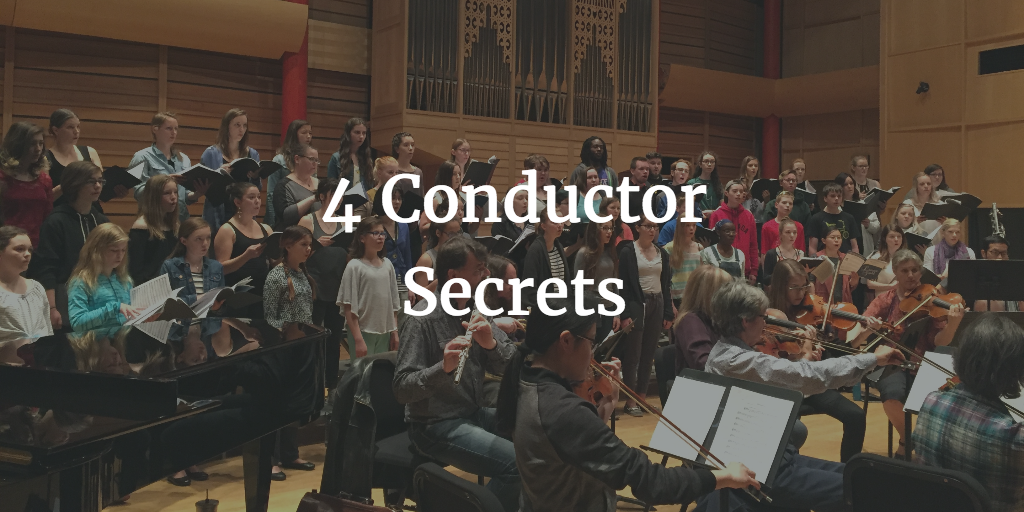
  • 4 Conductor Secrets

    4 Conductor Secrets

    #1. We can see EVERYTHING:

    For real.

    It’s a prerequisite for conductors to have extra ‘nonsense’ senses, but we’re at the front of the room, and often we’re standing while choristers are sitting. We can see you, choristers. Even when you think you’re being sneaky and hiding your phone, or a snack, or a gerbil, behind your music. We can see you.

    #2. Mistakes are not a problem:

    Many choristers feel immediate embarrassment when/if they make a mistake, especially if their fellow choristers react, or give them some side-eye. Conductors can almost always catch these mistakes too, but our reaction is different. For us, mistakes are par for the course, especially if we’re all still learning a piece. When we hear a mistake, we don’t think ‘uh oh, that’s not right,’, we think ‘I know how to fix that,’. Mistakes are not a problem, and should not be a source of embarrassment.

    #3. We think about the beat A LOT:

    For the most part, choristers are thinking largely about breathing and tone. And while conductors are thinking about those things as well, we spend an inordinate amount of time thinking about the beat. Because we have to set it, and set it well, not just for the choristers, but for the accompanist, and for any other musicians playing along. We also have to think about maintaining a steady beat, while thirty other voices try to push and pull at the rhythm.

    #4. We know how you feel:

    We won’t make absolutist statements, but there are exceptionally few people who are conductors, who have not also been on the other side of the stand. Which means, that we know exactly how it feels to be conducted. We know which hand movements we prefer, which cues we need, and what kind of energy we want to feel from the conductor. Which is why we as conductors try to send that back out to our choristers.

    i-feel-you

    What other secrets do you think conductors might have? Tell us in the comments below!

    Calgary Children's Choir

  • The ‘Ins and Outs’ of Repertoire Selection

    The Ins and Outs of Repertoire Selection Calgary Children's Choir

    Repertoire is an important aspect of the choral experience, and it’s a topic on which everyone has an opinion – we all have our favourites, of course, but there’s much more that goes into choosing the repertoire for the year than many people think. Here are three things that are taken into consideration when the conductor chooses repertoire:

    #1. Choral assessment:

    One of the most ephemeral aspects of a choral group is its membership; and after all, a choir is just the sum of its parts. Each year the conductor must assess the choir they will have, and determine what the groups’ strengths are, and what areas need improvement. Assessing the group as a whole means the conductor must select repertoire that will challenge the choristers without overwhelming them.

    #2. Learning objectives:

    Each conductor has specific learning objectives and outcomes in their mind, and these can be different from semester to semester as the choir grows and learns together. We are fortunate to have such a large body of choral repertoire, so that pieces can be selected to enhance these learning objectives, and the choir can take on new challenges, and prepare to meet them in a fun and engaging manner!

    #3. Concert series:

    Concerts are a difficult aspect of the musical experience to organize. Halls must be booked, tickets must be created and sold, programs printed, and the concert itself marketed. Thus planning a series of concerts for the year begins long before the first rehearsal.
    Repertoire is often chosen to fit a concert theme, or a concert learning objective – particularly if that concert is being shared with other musicians, or performers.


    Learn more about our upcoming concert series by viewing our 2017-2018 Concerts section, or accessing the calendar for the year!

    Calgary Children's Choir

  • The Importance of Musicianship in Singing

    The Importance of Musicianship In Singing

    Musicianship is a musical term used to describe the skills a musician possesses related to their aural skills; intonation, ear training. Musicianship is absolutely a skill as well that can be learned, and should be carefully honed. Here are three reasons why musicianship is an essential skill in singing:

    #1. Sight singing:

    There are few instruments that require a finely honed ear in the way that voice does. Sight singing is a bit of a misnomer, because it really is about hearing, and how a singer’s brain perceives what they are hearing. Understanding the nuances between pitches, and how to ‘translate’ what’s in the sheet music to the voice, is essential to learning how to sight sing well!

    #2. Blended sound:

    Because of the unique timbre of each individual singer’s voice, blending is an essential aspect of the singing experience. This is compounded when singers come together to create blended choral sound. The objective of choral sound is to make many voices sound as one. This can be achieved when singers make a concerted effort to listen to the voices of others and modify their own sound. Musicianship skills allow singers to not only hear the differences between voices, but to analyze what specifically they must change to accommodate blend.

    #3. Versatility:

    Musicianship skills allow singers to be incredibly versatile in both the genres they sing, as well as in their own vocal technique. Musicianship is what allows the fantastic pitch bending often found in jazz music, and it is a huge contributor to success in such interesting techniques as two-toned singing.

    Why else might musicianship be important in singing? Tell us in the comments below!

    Calgary Children's Choir

  • Welcome to our 2017-2018 Singing Season!

    Music

    Welcome to the Calgary Children’s Choir’s 31st Singing Season!

    Our Calgary Children’s Choir and Calgary Youth Choir start rehearsals tomorrow (Tuesday, September 12th, 2017)
    Our Music Makers and Calgary Junior Choir start rehearsals on Thursday (Thursday September 14th, 2017)

    We are delighted to be back after our wonderful 30th Anniversary Celebrations in May, and an amazing tour to Italy over the summer!

    There are some important changes to the choir this year! Our wonderful Artistic Director, Marni Strome, is taking a sabbatical to finish her Master’s Degree in the United States. We are thrilled that she is continuing to oversee her artistic vision for the choir while she is away, and are very excited for her to bring all of her knowledge and experience back to us next year! Best of luck with your program Ms. Strome!

    For the upcoming season, we have some important staff changes:

    *Music Makers will be taught by Shinia Van
    *The Calgary Junior Children’s Choir will be conducted by Lindsay Phillips
    *The Calgary Children’s Choir will be conducted by Kathryn Berko
    *The Calgary Youth Choir will be conducted by Andreas Berko

    We look forward to new perspectives, and interesting information from our wonderful CCC team! Please give our new staff members a very warm CCC welcome!

    We are off to choir camp in just a few weeks! This is one of our favourites events of the year! Please speak to our business manager Linda White if you haven’t signed up for camp yet!

    The CCC will be presenting three concerts this year:

    Christmas Concert: Saturday, December 9th, 2017 – Rozsa Centre, University of Calgary –  7:00pm

    Annual Concert: Saturday, March 10th, 2018 – Rozsa Centre, University of Calgary 7:00pm

    Spring Concert: Saturday, May 12th, 2018- Rozsa Centre, University of Calgary 7:00pm

    And all of the events for the year can be found on our Event calendar here.

    What are you most looking forward to in our 2017-2018 singing season? Tell us in the comments below!

    Calgary Children's Choir

  • Italy Tour – Travel and Rome!

    Hello, it has been a very long day for all of us here in Italy!

    First things first, at 9 AM on the 2nd of July we met at the Calgary International Airport, bright eyed and exited to fly to Italy!
    Except first we had to fly to Toronto and wait a bit, having some dinner while we did so. Then, at 8:00(ish) their time, we hopped on another flight! This one going direct to Rome!
    Don’t we look awake!

    Picture1

    Eight hours later we arrived, collected our things, and set out with Adrianna, our lovely guide. Please bear in mind, we had now been travelling, more or less constantly awake, for at least 15 hours. But it was only noon in Italy! So we headed to our lovely hotel, found some delicious lunch from local places, and settled in for an hour or so. I am told there are some who did not sleep during this time. I was not one of them.

    Picture2

    At 3:30, 21 hours into our day, we met back in the lobby to go into central Rome and have a walking tour. It was nominally supposed to take us to a number of different fountains, including the famous Trevi fountain. I would give you play-by-play details, but it was just so phenomenal. Every corner you turned, every side street you took, led you to another breathtaking piece of artistry. We learned to drink from ancient roman fountains, and even managed to sneak quickly into the Pantheon since there were no lines! We even sang a little, just to enjoy the sound of our voices in the ancientness streets.

    Picture3

    Picture4

    Picture5

    Picture6

    Picture7

    Picture8

    By about the time we were ready to drop, we arrived at a perfect place to! Dinner was lovely, even if most of us were too tired to properly enjoy it, and the gelato for dessert was phenomenal.

    At long last, around 26 hours from when we first collected together, we made our way back to the coach to take us home to sleep for the night. And sleep we shall.

    In fact, I’m off to do that right now.

    Sweet dreams, and ci vediamo domani (see you tomorrow)!

    Victoria GM

  • Prized Pieces

    prized pieces

    As we near our 30th Reunion celebration (sign-up here if you haven’t already!), we start to think about all of our old favourite pieces, and which ones we hope to be singing in a few weeks time. There are many reasons why a piece of music might become a prized favourite, and sometimes the reasons can surprise us.

    #1. Memory:
    We have so many wonderful experiences in choir; meeting new people, encountering new music and new ideas, and all of the amazing experiences we have together – great concerts, and eye opening tours. Music can serve as a portal, to transport us back to the memory of those fun times. Often when we hear a piece of music, we associate it with the time in our lives when we first hear it, and loved it. Hearing that piece again returns us, often quite viscerally to the memory of that moment in our lives.

    #2. Meaning:
    Music can elevate our everyday experiences, by using poetry and musical nuance to enhance the way we think about things. Often song lyrics seem much more meaningful because of the metaphorical use of language. Changing your perspective can open your mind, and enhance your perspective on the world. Sometimes a piece of music truly speaks to us, tell us something about ourselves and the way we view the world, and the lyrics seem to be speaking directly to us, or about us. This is another reason a piece can become a favourite.

    #3. Mastery:
    We are very fortunate to have tackled some exceptionally difficult pieces of music in our 30 years at the CCC. One of the most amazing things about taking on difficult music (or difficult tasks in general) is the feeling of absolute elation you feel when you finally master the task. Working hard on something that is challenging is reward in and of itself; by pushing yourself just a bit more, you begin to see just how much you can accomplish. And mastering difficult pieces as a choir, as a team, is that much more rewarding. Some of our favourite pieces are the ones we found the most challenging, and ultimately the most rewarding!

    What are some of the pieces you’re hoping to sing/hear at our upcoming 30th Reunion celebration? Tell us in the comments below!

    Calgary Children's Choir