Blog

  • Songs Of The Cinema: Famous Film Composers

    In preparation for our upcoming concert, Songs of the Cinema on May 10th 2014, we are starting a blog series of the same name, which will focus on a different aspect of ‘movie music’ each week!
    Note

    With the advent of sound in cinema, composers became of paramount importance in establishing the mood of the movie. Their work contributes greatly to the subtlety and nuance of the performances seen on screen! Here are several notable film composers:

    Bernard Herrmann: (June 1911 – December 1975)

    bernardherrmann Herrmann was an American composer, who was best known for his collaborations with the movie director, Alfred Hitchcock. His music was heard in the films Psycho, and Vertigo. As well, he composed music for Citizen Kane, The Day the Earth Stood Still, and the television program, The Twilight Zone.


    Leonard Bernstein: (August 1918 – October 1990)

    leonardbernstein

    Bernstein was an American composer, and is one of the most well known film composers. He is considered to be the first of the truly successful cinematic composers, and his work was truly prolific. His music is heard in such productions as Peter Pan, On The Town, and most famously, West Side Story.


    Elmer Bernstein: (April 1922 – August 2004)

    Elmerbernstein

    Bernstein was another American composer, and is no relation to Leonard Bernstein. His music has been heard in such movie classics as, To Kill A Mockingbird, The Black Cauldron, and most famously, Ghostbusters.


    John Williams: (February 1932 – present)

    JohnWilliams

    John Williams is one of the most famous film composers of all time, due in large part to his work on blockbuster movies. His film credits include, Jaws, E.T., Home Alone, and the first three Harry Potter films. But he is most famous for his work with George Lucas on the Indiana Jones films, and the Star Wars series.


    Howard Shore: (October 1946 – present)

    Howardshore

    Howard Shore is a Canadian composer, who has contributed to over eighty films. His film credits include, The Silence of the Lambs, Gangs Of New York, and Panic Room. Howard Shore is most famous for his film score in The Lord Of The Rings movies.


    Hans Zimmer: (September 1957 – present)

    LR-Hans-ZimmerHans Zimmer is a German composer, who has composed the music for over 100 films. His film credits include, The Lion King, The Thin Red Line, Sherlock Holmes, and Inception.


    Lisa Gerrard: (April 1961 – present)

    LisaGerrard

    Gerrard is not as famous as the other composers on the list, which is due in large part to her collaborations with Hans Zimmer, whose name is often the first associated with their collaborations. Lisa became more well known after she worked with Zimmer on the film Gladiator, but she has a myriad of titles to her name, including, Whalerider, King Arthur, the trailer music for Man Of Steel, and most recently, I, Frankenstein.


    Are you familiar with these film composers? What is your favourite film score? Tell us in the comments below!


    = Calgary Children's Choir


  • Songs Of The Cinema: Movie Musicals

    In preparation for our upcoming concert, Songs of the Cinema on May 10th 2014, we are starting a blog series of the same name, which will focus on a different aspect of ‘movie music’ each week!

    film


    Movie musicals are a genre of film, and were a natural extension of theatrical musicals, when audio technology advanced to a point where musicals could be successful on screen.

    Although there were a few short films that included music in the movie, but without an audio track. The first feature length film including both music and an audio track with dialogue (although admittedly the dialogue was sparse), was The Jazz Singer, released by Warner Brothers in 1927. This marked the golden age of movie musicals, spanning nearly three decades.

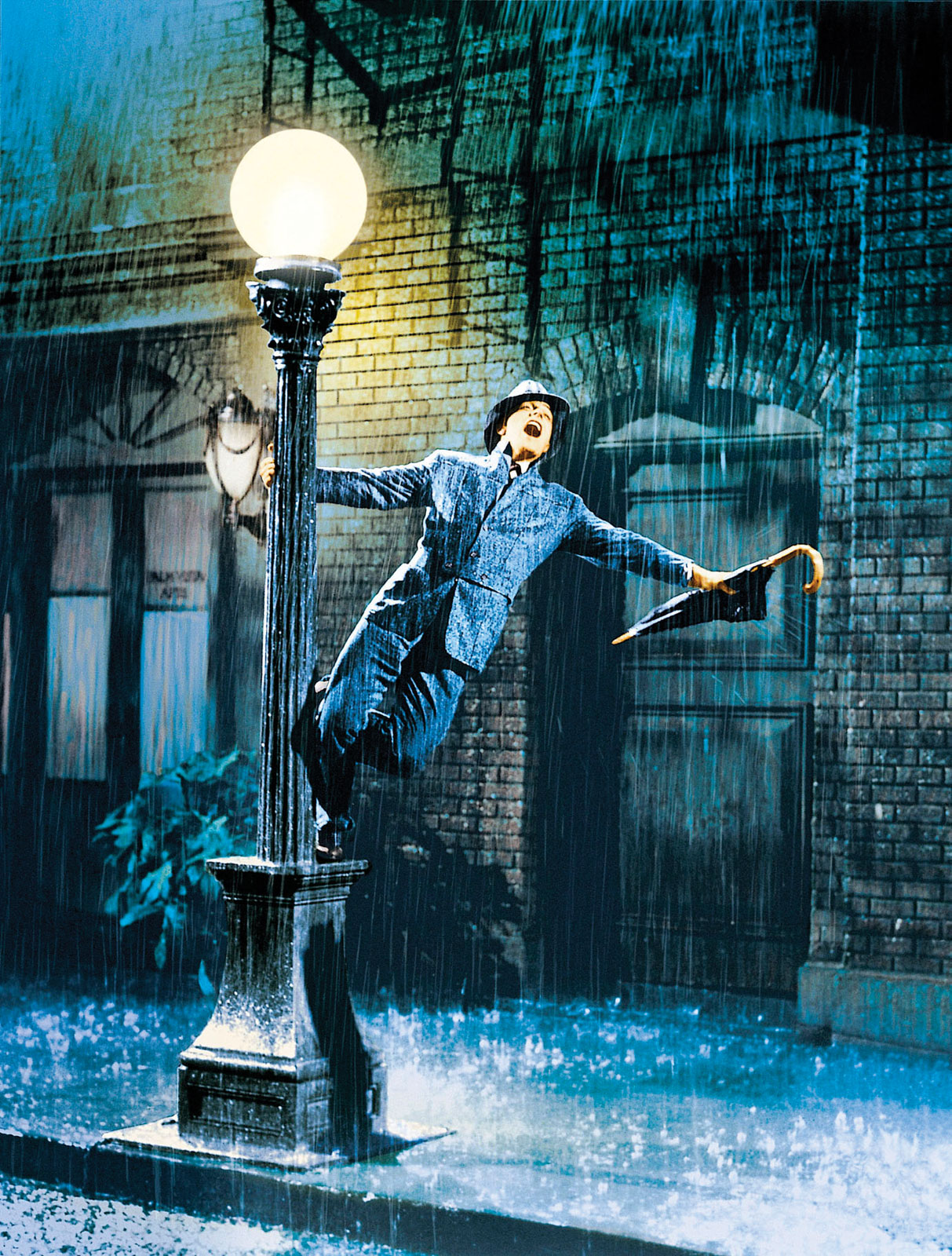
    As movie musicals grew in popularity, it made household names of several actors, including Fred Astaire, Ginger Rogers, Judy Garland, and Mickey Rooney. This era saw films like, 42nd Street, Shall We Dance, Easter Parade, and Singin’ In The Rain gain great popularity.

    Gene_Kelly_lamppost

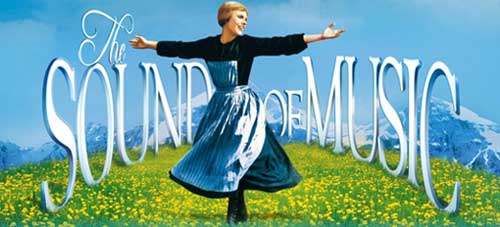
    After the 1960’s, although there were some fantastic musicals produced, including  The Sound of Music, Funny Girl, The Wizard of Oz, and West Side Story, there were also a few musical movies that did not do as well, and the studios began to produce fewer of them through the 70’s, 80’s, and 90’s.

    sound-of-music2

    Fortunately, there has been a resurgence recently in the popularity of musical movies, spurred on by Disney’s inclusion of music in their movies, seen in such films as Anastasia, the Prince of Egypt, and most recently, the movie Frozen.

    8-27-1

    Western film is not the only film that includes music in movies. Spanish operettas, called Zarzuelas, are very popular, and Indian cinema has an incredibly popular movie musical scene called Bollywood, that have begun to inspire Western cinema. This influence has been seen most notably in films like Moulin Rouge, and Slumdog Millionaire.


    So, are you a fan of movie musicals? Tell us which one is your favourite in the comments below!

    = Calgary Children's Choir

  • Songs Of The Cinema: A History of Sound In Film

    In preparation for our upcoming concert, Songs of the Cinema on May 10th 2014, we are starting a blog series of the same name, which will focus on a different aspect of ‘movie music’ each week!

    film-reel-df997


    Motion pictures have been around for over a century, but sound was first introduced to motion pictures in 1923. Before that, movies were silent, or had an audio track that was played on a phonograph synchronized to the action on screen. The idea of filming a motion picture with sound had been around since 1887, but it took several decades and many different approaches to sound recording until progress began to be made.

    https://www.youtube.com/watch?v=-uu4SIlPxh0

    The first film with sound recorded as part of the film, premiered in New York in 1923, and from there a new industry was born! Audio in film became every bit as important as the film itself. New industries sprung up to meet the new demands of audio. Sound boxes had to be created to encase the noisy cameras, so the sounds didn’t translate into the audio, hand cranks had to be silenced, and even the actors performing their roles had to accommodate the new realities of sound in film.

    Most importantly, from the perspective of music, the ability to accomodate sound in films marked the advent of music in films as well. Background music, sound effects, and eventually entire musical productions done entirely as motion pictures!

    Did you know about the history of sound in motion pictures? Tell us in the comments below!

    = Calgary Children's Choir

  • The Benefits of Learning Music Aurally

    Often, when we’re learning music in choir, we receive sheet music, and learn the piece by reading the essential information contained in that sheet music. While learning to read music is a vital part of being a good musician, there are also several benefits from learning music aurally.

    Singing For The Joy Of It!


    Learning music aurally is often referred to by other names; ear training, playing by ear, etc… It is an extremely important skill for any musician to develop, but it is particularly useful for singers.

    Ear training allows singers to understand the note they are singing in relation to the other notes around them. Understanding the context of the music, allows singers to listen to music critically, and more thoroughly appreciate the relationship between intervals. This can be an especially important skill when singing atonal music.

    Learning music aurally can also help singers to appreciate the nuances of sound. When a singer doesn’t have to focus on the written music, they are able to hear the small subtleties in intonation, timbre, and colour of the sound they are producing. This focus on the nuances of sound can greatly improve the overall choral sound, as well as individual singers’ voices.

    When an entire choir is focused on the subtleties of the sound they’re creating, by learning the music aurally, they also become much more attuned to the sound the other people around them are creating. Listening critically is essential for any singer, and it greatly aids choirs in producing a blended sound; the ultimate goal of choral singing!

    Do you like to learn music aurally? Tell us in the comments below!

    = Calgary Children's Choir

  • 3 Techniques To Memorize Music

    All musicians must memorize music at some point in their careers, and singers have an extra bit of work to do when it comes to memorizing music, because there is the added layer of text that needs to be memorized.

    Music

    #1. Repetition:
    This seems quite basic, but one of the best techniques for memorizing music is by doing it over and over again. But repetition alone will not remain lodged in your memory. The best way to ensure quick memorization, is by focusing on a different aspect of the music every time you sing it. By making mental note of these different aspects of the music, you are hard-wiring your brain to remember multiples aspects of the music, and increasing the depth of your musical understanding at the same time!

    #2. Silent Practice:
    Silent practice is related to repetition, but it does not require actually singing out loud. This type of practice involves performing the piece silently in your mind. Breathing, phrasing, and dynamics are all considered and practiced, even though they’re done silently, but this technique can be used anywhere – in an apartment, in the halls at school, even on the bus!

    #3. Story Telling:

    Most vocal pieces include text, often a piece of poetry or prose. This can be very helpful in memorization, because instead of just memorizing words, you can memorize the overall narrative of the text. Knowing what comes next in the story aids in memorizing the specific text used to tell that story.
    This is especially helpful when memorizing music in a language that is foreign to you. Understanding the meaning behind the text you are singing, makes it that much easier to commit the text to memory.

     
    So, what techniques do you use to help you memorize music! Tell us in the comments below!

    = Calgary Children's Choir

  • Singing For The Joy Of It: A History Of Our Motto

    Singing For the Joy Of It is the motto of the Calgary Children’s Choir, and has been for the past 27 years! We asked Rosemarie Sherban, the choir founder, how she came up with the choir’s powerful and meaningful motto, what the motto means to her, and if the choir is still living up to the motto:

    Calgary Children's Choir

    The goal of the Calgary Youth Choir Organization (as the Calgary Children’s Choir was originally known) was to create a singing environment whereby a love of singing is embraced and developed. In the past, singing was a part of any family or cultural gathering. School music programs, where once singing was the core of the music program, have now become centred around band programs. So it is up to choral programs like the Calgary Children’s Choir to give each chorister a positive experience with singing that they will, as they mature into adulthood, seek out a place to sing. Some may want to pursue a career in singing but many will not. For those who do not, it is hoped that the positive experience of singing in the choir will have them, as adults, seek out a community choir to join.

    Creating a joyful choral experience can come in many forms. Perhaps it is experiencing that perfectly pitched chord or singing a song with total abandonment. It could be learning a piece of music by a great composer or singing “fun” songs around a camp fire. But what is pure joy for one child may not at all be what gives joy to others. Engaging hearts and minds creates a true joy in singing!

    Is the choir living up to the motto?
    From what I have observed, most definitely, yes! The repertoire and activities of the choir are very broad, providing a diverse experience for the choristers. The pictures from the Halloween concert, the recent choir tour, etc… showed the choir full of exuberance, and joy! The Faure Requiem, with the adults joining in, gives the choristers a marvelous opportunity to see that singing can be a lifetime activity.


    So, do you think the Calgary Children’s Choir motto reflects our values? Tell us in the comments below!

    = Calgary Children's Choir

  • Folk Concert 2014 – Cantar! Concert Roundup

    On Saturday evening, we had our annual Folk Music Concert. This year, in honour of our tour last summer to Spain, we featured Spanish folk songs! We were thrilled to have Anastassiia Moussatova perform some amazing flamenco dance for us, and we were also very excited to have Brent Van Dusen on percussion, Michael Boyle on flamenco guitar, and our very own CCC alum Jessica Lutzak as a guest soloist! The evening was emceed by our wonderful Creative Consultant, Kat Long.

    We began our day with a 10:00 dress rehearsal at the Rozsa Centre.

    Flamenco

    Calgary Children's Choir


    Calgary Children's Choir


    Calgary Children's Choir


    Calgary Children's Choir


    Calgary Children's Choir


    We came back at 6:00 that evening for a dress rehearsal, and then it was time for the concert!

    Spain


    Spain


    Kat Long


    Calgary Children's Choir


    Calgary Children's Choir


    Calgary Children's Choir


    Calgary Children's Choir


    Kat Long


    Calgary Children's Choir


    Flamenco


    Calgary Youth Choir


    Jessica Lutzak


    Calgary Children's Choir


    Flamenco


    Calgary Children's Choir


    Jessica Lutzak


    Calgary Children's Choir

    (photography by Brieannah Mollison-Read)


    We had so much fun at our Folk Music Concert! Thank-you so much to every one who came out to see us!


    Tell us, what was your favourite part of the concert?

    = Calgary Children's Choir

  • Flamenco Guitar

    Continuing our posts about Spanish music, and in particular the Flamenco style from the Andalusian region, in today’s post we will be looking at the flamenco guitar!

    Flamenco guitar 1


    The Flamenco guitar is quite similar to a classical guitar, in its structure, and sound. There are subtle differences, however, including the use of lighter woods than classical guitar, so that the top portion of the guitar plays with a ‘brighter’ sound. This is especially important for the more percussive section of Flamenco, when the guitar player taps the top of the guitar in time with the dancing! Flamenco guitars often have a section on top of the guitar that allows the guitarist to make these percussive sounds.

    In general, flamenco guitars are constructed using harder woods. As well, their strings are not meant to sustain notes as well as classical guitars. This is because of the speed of flamenco, and its rhythmic quality. A lighter, faster guitar means that the flamenco music sounds crisp and patterned!


    Have you ever heard flamenco guitar? What did you think?

    = Calgary Children's Choir

  • Flamenco!

    As our Spanish folk concert approaches, we are getting very excited about many of the interesting elements of Spanish culture that our touring choir  experienced on our recent trip to Spain. One of those elements was the Spanish tradition of Flamenco!

    image (2)


    Many people associate Flamenco with a style of dance, but that’s just one aspect of it. Flamenco comes from the Andalusian region of Spain and it incorporates singing, dancing, guitar playing, and hand-clapping! It is a form of Spanish folk music, that is often associated with the Romani people of Spain.

    Stylistic features of the dance aspect of Flamenco include, stamping of feet,  hand-clapping, and great use of both the arms and feet. It is a very passionate and exciting form of dance!

    The musical aspect of Flamenco is very interesting, because it is modal. Flamenco generally uses the Phrygian mode. The music is often structured as a set of verses, interspersed with guitar solos. In Flamenco recitals, these solos can also be accompanied by the Flamenco dance. Thus, there is a great deal of room for variety, and improvisation in Flamenco!


    Have you ever seen Flamenco? What did you think?

    = Calgary Children's Choir

  • The Olympics and Choral Music

    olympics1

    The Opening Ceremonies of the Olympics are often a great occasion to demonstrate fun and unique choral music. In celebration of the Opening Ceremonies of the XXII Winter Olympics in Sochi, Russia, here is a look at some of the great choral music from the Olympics!

    Calgary Winter Olympics 1988 – Can You Feel It:

    And check out this video from the CBC Digital Archives about the Calgary Winter Games!


    Atlanta Summer Olympics 1996 – The Power of A Dream:


    Sydney Summer Olympics 2000 – The Flame:

    http://www.youtube.com/watch?v=XFy_s1-YrIE


    Torino Winter Olympics 2006 – Nabucco Va Pensiero:

    http://www.youtube.com/watch?v=J5OfG5DABRM


    London Summer Olympics 2012 – Caliban’s Dream:


    Sochi Winter Olympics 2014 – Daft Punk – Get Lucky:

    http://www.youtube.com/watch?v=8Np5rP5vBMI


    So, what are your favourite choral moments from Olympic Opening Ceremonies? Tell us in the comments below!

    = Calgary Children's Choir


  • A Brief History of Folk Music

    Come and check out our annual Folk Concert on March 8th, 2014 at the Rozsa Centre, and hear some great examples of Spanish folk songs!

    folk-music_2256313b

    Folk music has a long history, and because of the nature of the music, it has no definitive historical date of origin. It is widely considered to be the ‘music of the common people’ . In the latter part of the 16th Century, only a small, elite portion of society was taught to read, and practice traditional music. The peasants, although almost all illiterate, still played, and enjoyed music. But because they could not read or write, they had to learn music using alternate methods, primarily through oral transmission.

    Thus folk music is largely music that was not written down, but passed from person to person by listening and performing the songs many times. It is usually quite specific to the region and culture that it comes from. For example, many Canadian songs from the Maritimes discuss the fishing industry, because it was such an important aspect of Maritime culture.

    Since there are no definitive dates for folk music, stylistic characteristics are the common determinant of music belonging to this genre.

    – music acquired through oral transmission

    – folk music is generally very regionally and culturally specific

    – the composer for pieces of folk music is usually unknown

    – there are many different versions of the same song


    What are some of your favourite folk song? Tell us in the comments below!

    = Calgary Children's Choir


  • The Value of Touring

    = calgary children's choir

    Tour is just one of the many exciting benefits of joining a choir. The Calgary Children’s Choir tours every two years, and we carefully select touring destinations that enhance our music knowledge, and our cultural experiences. Here are three reasons why going on tour is such a valuable experience:


    #1. Exposure to new cultures:

    Travel is a wonderful way to be exposed to new cultures, ideas, languages, and most importantly on choir tours, new kinds of music. While on tour, choristers are immersed in all the tour destination has to offer; food, historical and cultural landmarks, language, and of course, music! This provides an invaluable experience to young minds, and fosters an interest in other cultures, and their music!

    = Calgary Children's Choir

    #2. Musical Memories:

    Any kind of travel forms lasting memories, but a choir tour exposes choristers to a unique kind of experience; musical memories. Because the main goal of a choir tour is to educate choristers about new and different kinds of music, or performers, the memories made while on tour, are often associated with music. This is an exceptionally powerful kind of muscle memory, and it means that those recollections will be that much more potent. Memories made on tour last a lifetime!

    = Calgary Children's Choir

    #3. Choir cohesion:

    Going on tour, is a much different experience than a weekly, or even twice weekly choir rehearsal. On tour, almost every moment is spent with the choir, or with a small group of the choir. This is a time when friendships between choristers, and their conductors flourishes, as everyone gets to know each other, and form meaningful connections from shared experiences. Eating, sleeping, singing, and visiting new places together forms a really wonderful bond between choristers who travel together. Amazingly, this tight bond is reflected in the quality of the touring choir’s performances! The choir that tours together, sings even more beautifully together!

    = Calgary Children's Choir


    Tell us, what do you love most about tour? Where do you hope the choir is touring on our 2015 tour?


    = Calgary Children's Choir

  • Classical Era Music Versus Classical Music

    mmw_classical_020211

    The term “classical music” has become something of  a misnomer, used to describe virtually any music that was not written within the last fifty years. This can be quite misleading, as the term “Classical Music” is actually used to describe a very specific time period in music history. Most importantly, the term refers to stylistic features that are unique to the Classical music era.

    #1. Brief (very brief!) history:

    The Classical era in music occurred between ~ 1730 and 1820. These dates are inexact, because composers created music that was stylistically classical both before and after these dates. In Europe at the time, art, architecture, dance, and music were all experiencing a fundamental change from the stylistic features of the Baroque period which preceded the Classical period. Many of these changes were inspired by changes in the social, and economic fabric of Western Europe at the time;

    #2. Stylistic features:

    Music composed in the classical period share many common stylistic traits. Stylistic trends of classical music include cleaner, simpler music, a stark contrast to the intricate ornamentation of the Baroque period, homophonic music (melody over accompanying chords), and increasing dynamic contrast and range. As well, orchestral instrumention became standardized, and instrumental music became increasingly important.

    #3. Notable classical composers:

    While there were numerous composers composing wonderful music in the classical period, there are several whose musical works were so notable that they defined the Classical music era.

    Haydn: An Austrian composer who was an especially important composer in the areas of symphonic music, and the evolution of the string quartet. He was a very prolific composer, and played an important part in developing the sonata style which became a hallmark of Classical era music.

    Mozart: One of the most infamous composers in history, Mozart had a very short life, dying at the age of 35.  Despite his short life, Mozart composed over 600 works, and was most noted for his symphonic music, concertos, and his contributions to opera buffa.

    Schubert:Schubert was another short lived composer; he died at the age of 32. He too was prolific, but unlike Mozart and Haydn, the bulk of Schubert’s compositions were vocal works. Of principal importance were his lieder (art songs). Schubert is also a transitional composer; many of his later works began to demonstrate stylistic features found most commonly in Romantic era music.

    Beethoven:Probably one of the most famous composers in history, Beethoven is another transitional composer. His early works were heavily influenced by Mozart, but his later works moved towards stylistic trends found in Romantic era music. Most notable, despite losing his hearing beginning at age 26, Beethoven continued to compose, and perform, even when the hearing loss became profound.

    Did you learn anything new about Classical era music? Who is your favourite Classical era composer? Tell us in the comments below!
     

    = Calgary Children's Choir


  • Why Choose Choir?

    There are so many wonderful extracurricular activities for kids to enjoy these days that it may be hard to decide between them all! Here are four reasons why choir is a fantastic experience for young people!

    = calgary childrens choir

    #1. Music is good for your health:

    There are many studies (here, here, and here) that  have shown how beneficial music can be in maintaining good health.  In a very interesting study published in Frontiers of Neuroscience, researchers demonstrated that when people sing together in a choral setting, their heartbeats actually begin to sync together! The benefits of learning music are many!


    #2. Choir is social:

    Unlike other musical endeavours, choir is very a social activity. The main purpose of choral music is to make many voices sound like one voice! This requires teamwork, excellent listening skills, and above all a group mentality. In choir, you can make friendships that will last the rest of your life!

    = calgary children's choir

    #3. Additional Skills:

    The study of music imbues students with many skills other than the ability to read music. Performance skills, essential to any kind of presentation, confidence, focus, and self-discipline are all skills that result from time spent in choir.


    #4. Travel:

    One of the greatest adventures in choir is going on tour! The Calgary Children’s Choir tours both nationally and internationally every two years, and it is always a wonderful experience for choristers. Exposure to other cultures, languages, and music is such a valuable asset to young minds!

    = calgary children's choir


    Why do you think choir is a great activity? Tell us in the comments below!

    = Calgary Children's Choir

  • Welcome to 2014!

    NewYear


    Welcome to 2014! Hope you all had a wonderful holiday! We are so excited to be starting another great season of singing. There are a number of exciting events planned for the coming months.

    In March, we have our Folk Concert entitled Cantar! Spain, in Song. The concert will be held at 7:00 pm at the Rozsa Centre, on March 8th, 2014.

    Our annual spring concert, entitled, Songs of the Cinema, will feature pieces made famous through movies, and television! We are very excited for this concert, which will also be held at 7:00 pm at the Rozsa Centre, on May 10th, 2014.

    Check this blog every Monday for new posts. This year we will be featuring some interesting articles relating to our upcoming concerts, including a Songs of the Cinema series in April!


    What are you most excited about in the upcoming 2014 Calgary Children’s Choir singing season? Tell us in the comments below!

    = Calgary Children's Choir

  • Christmas Concert Roundup!

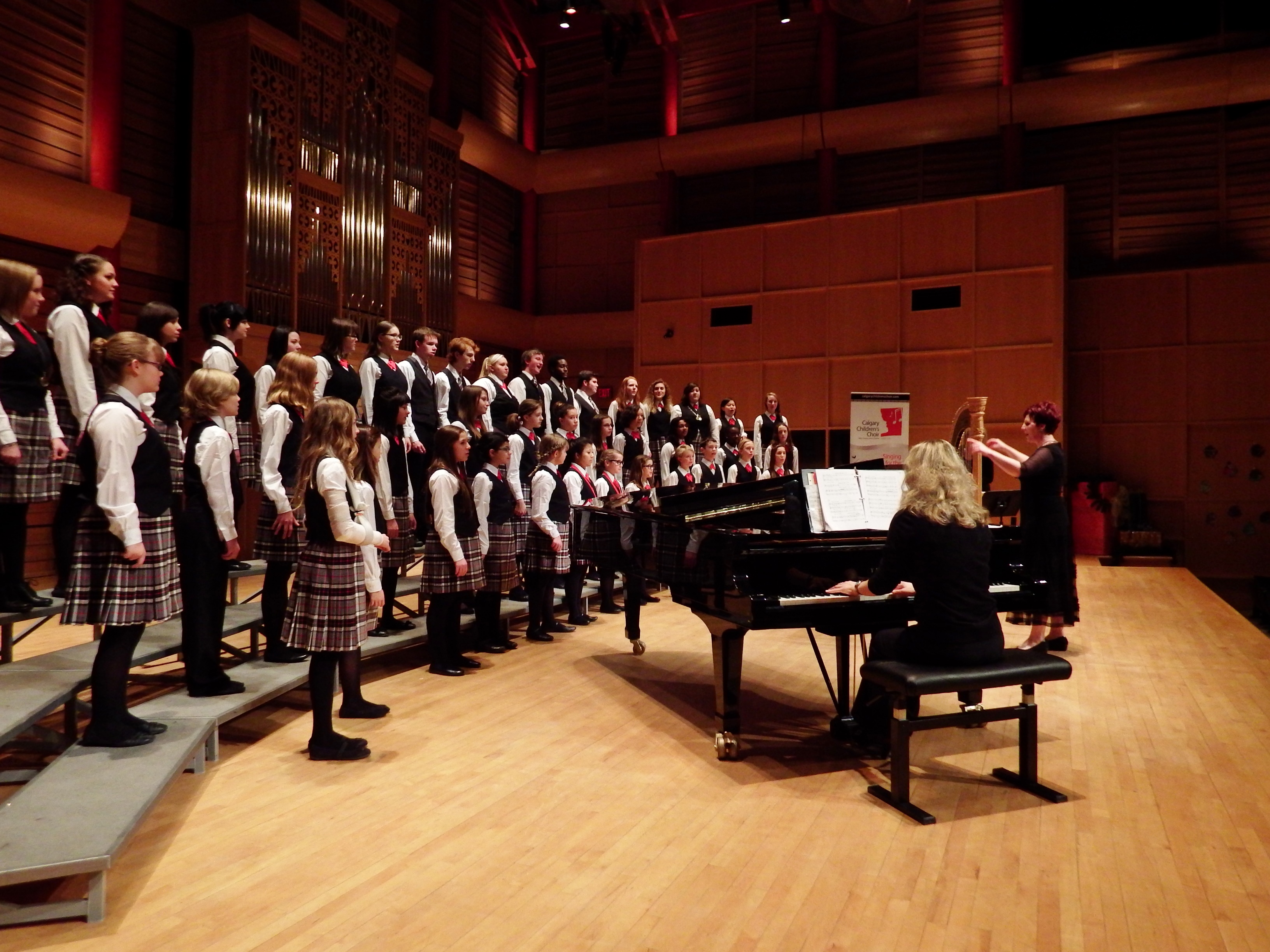
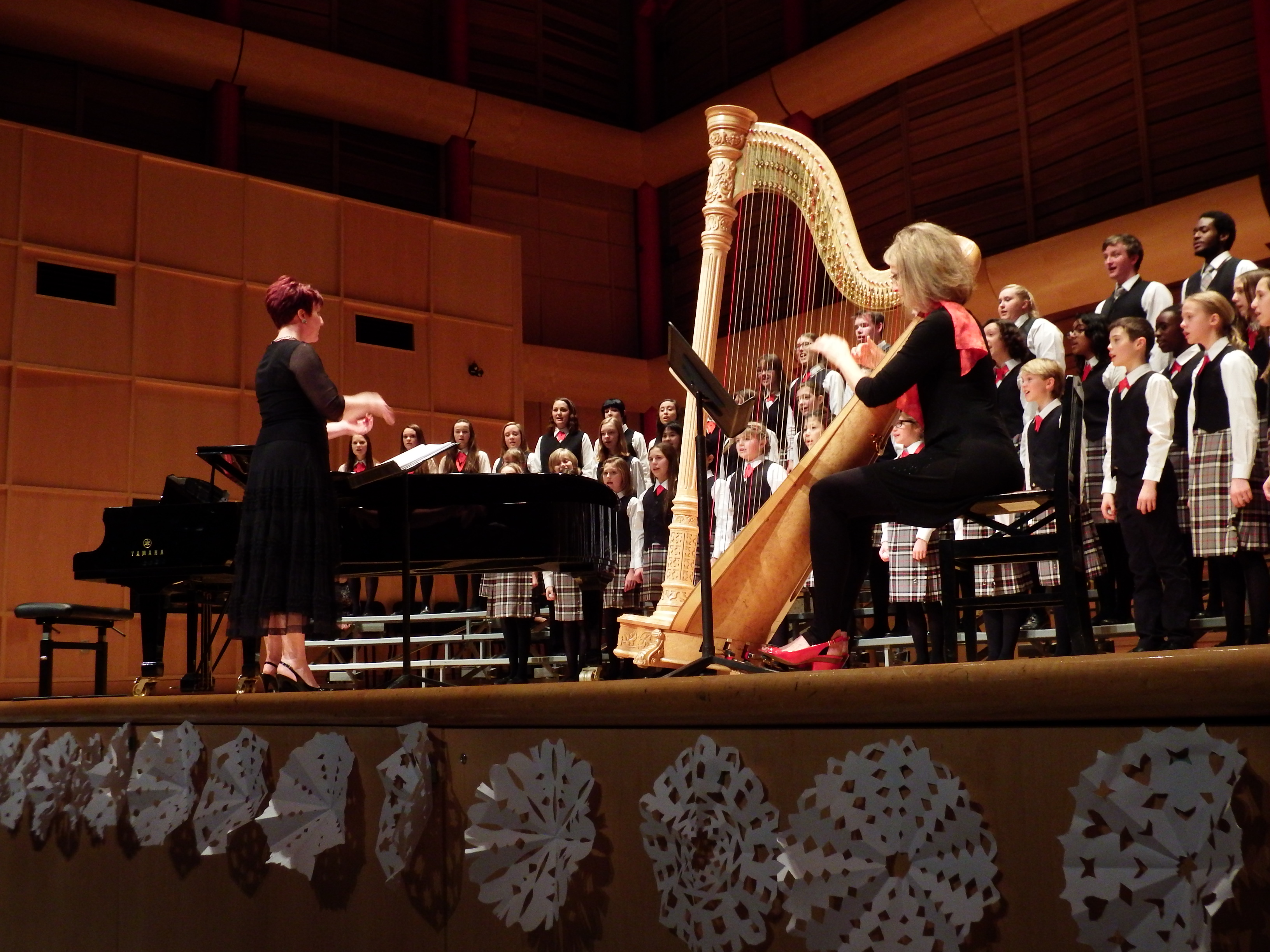
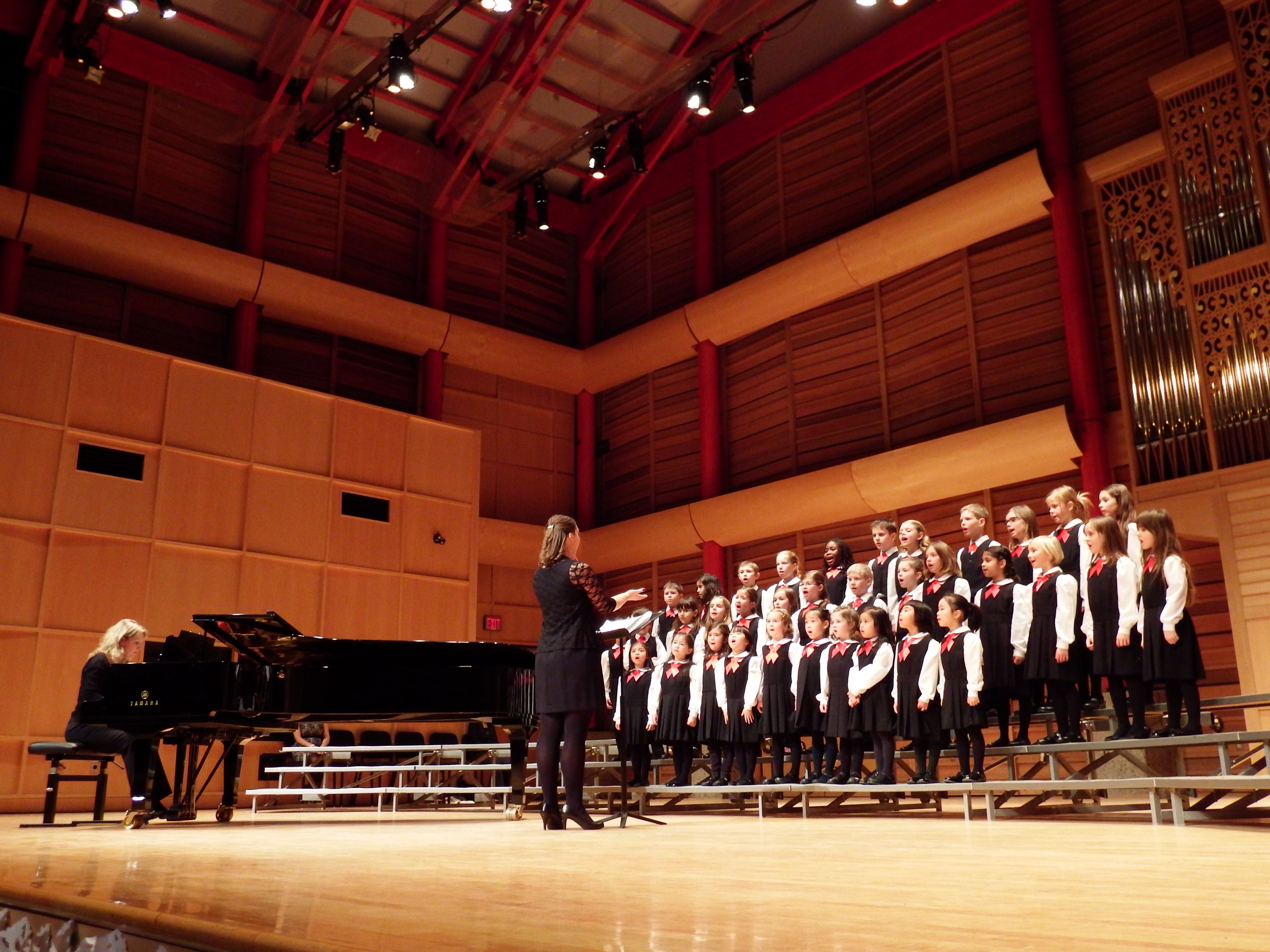
    On Saturday, December 14th, 2013, we had our annual Christmas concert, A Child’s Carol, at the Rozsa Centre! We featured Benjamin Britten’s, A Ceremony of Carols, as well as some traditional holiday tunes!

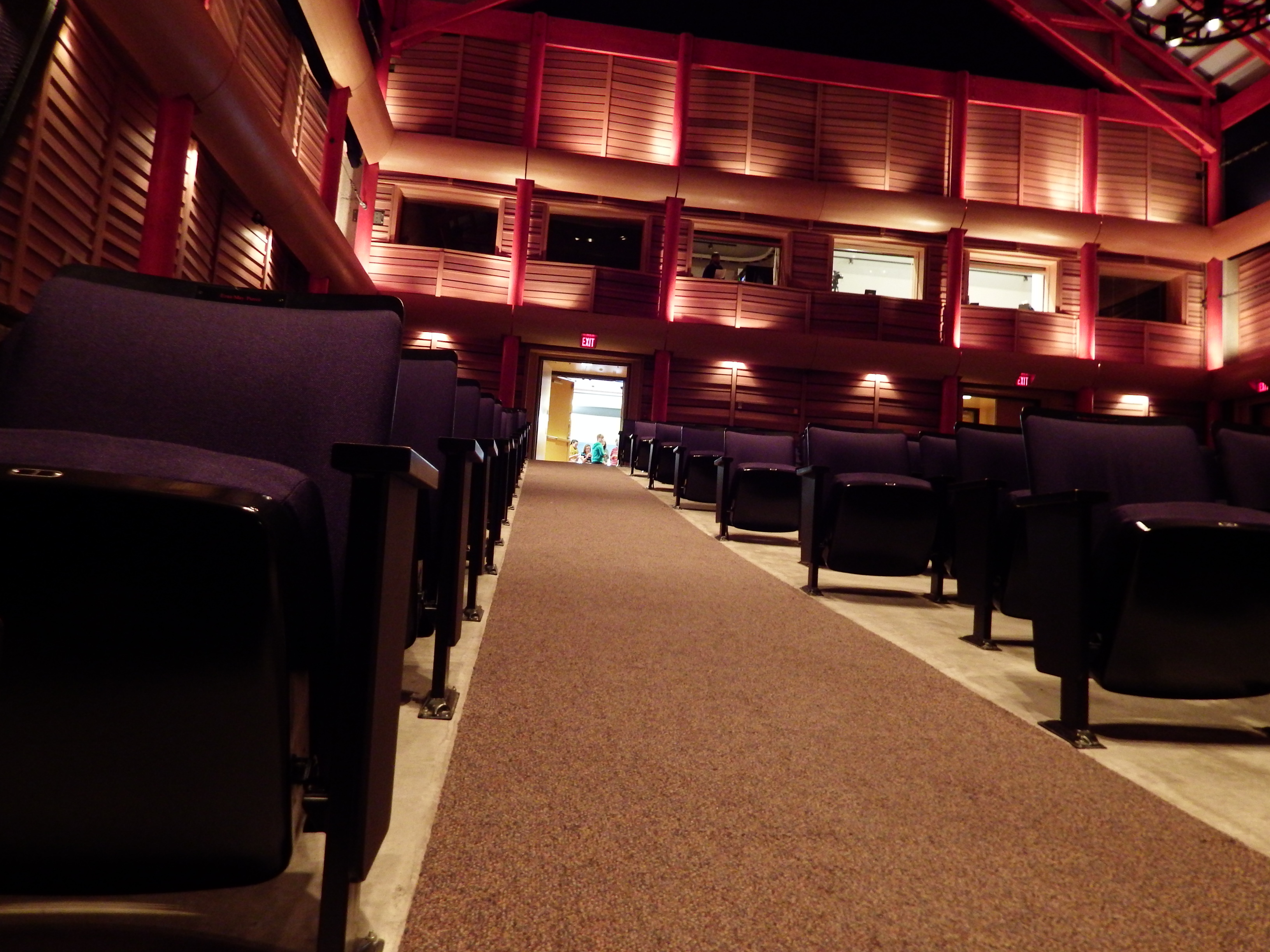
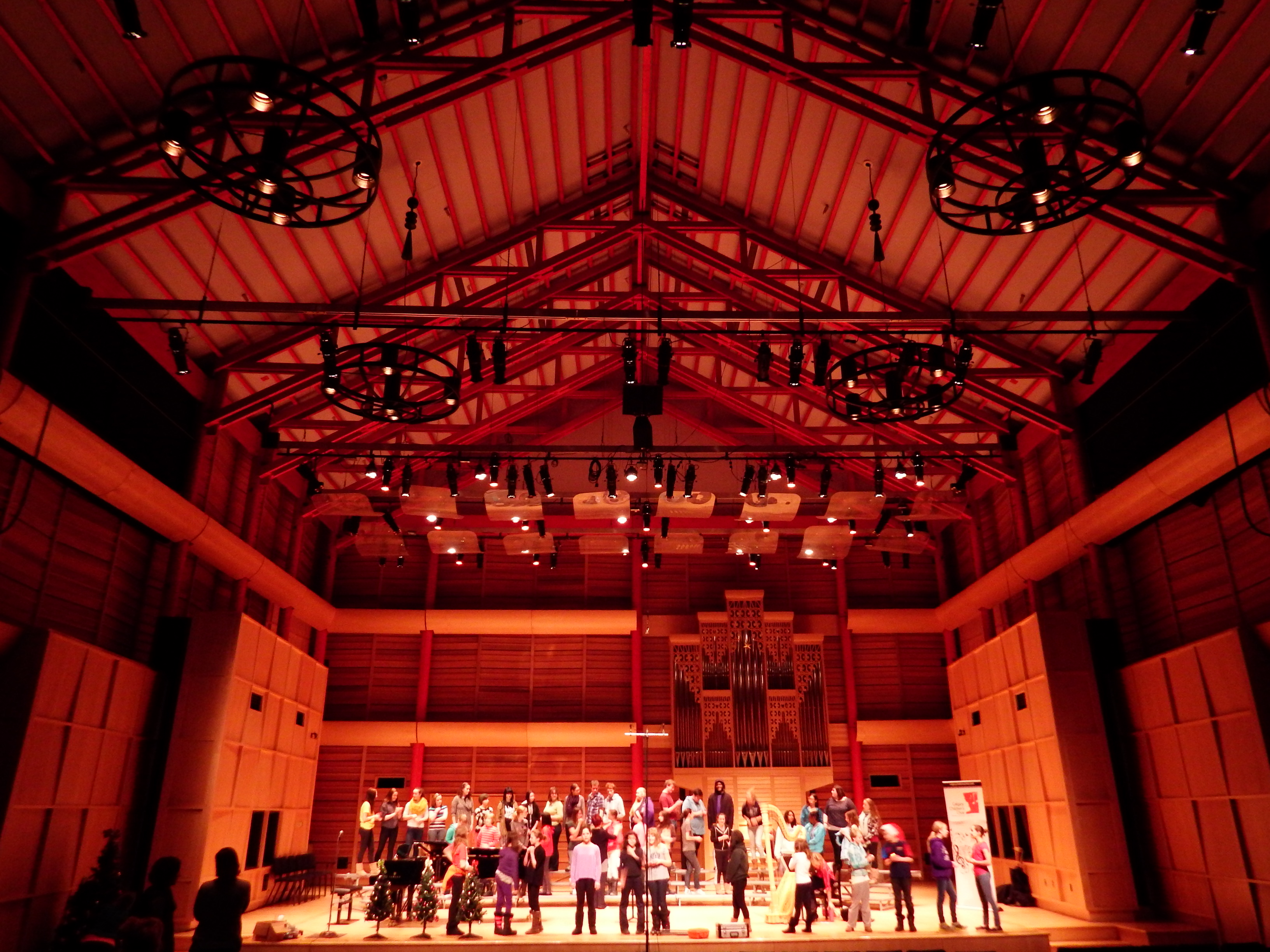
    Our day started at 9:30 in the morning with our dress rehearsal, on the Rozsa Centre stage. We are so fortunate to be able to perform in such a gorgeous auditorium!

    theatre


    DSCF0444


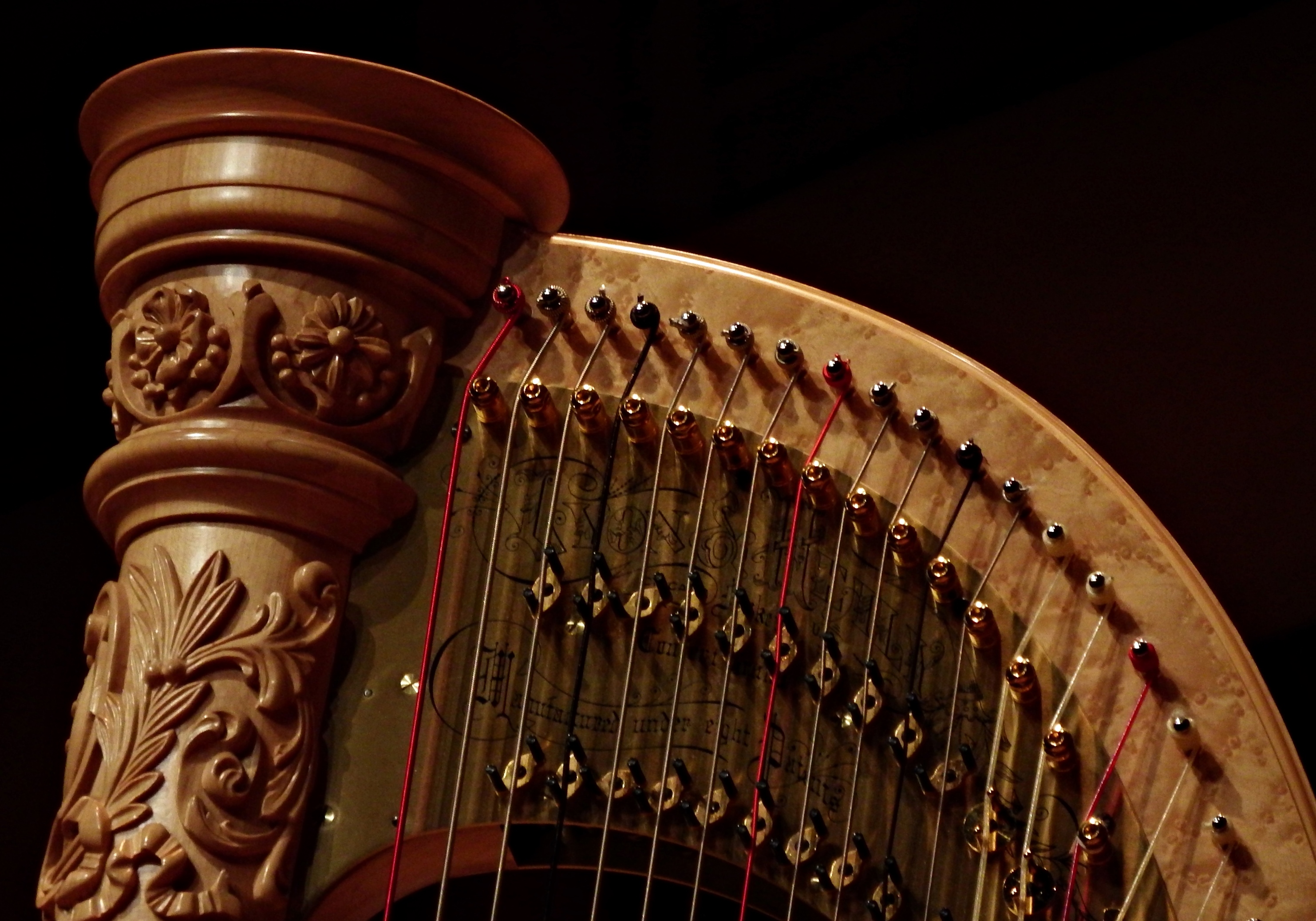
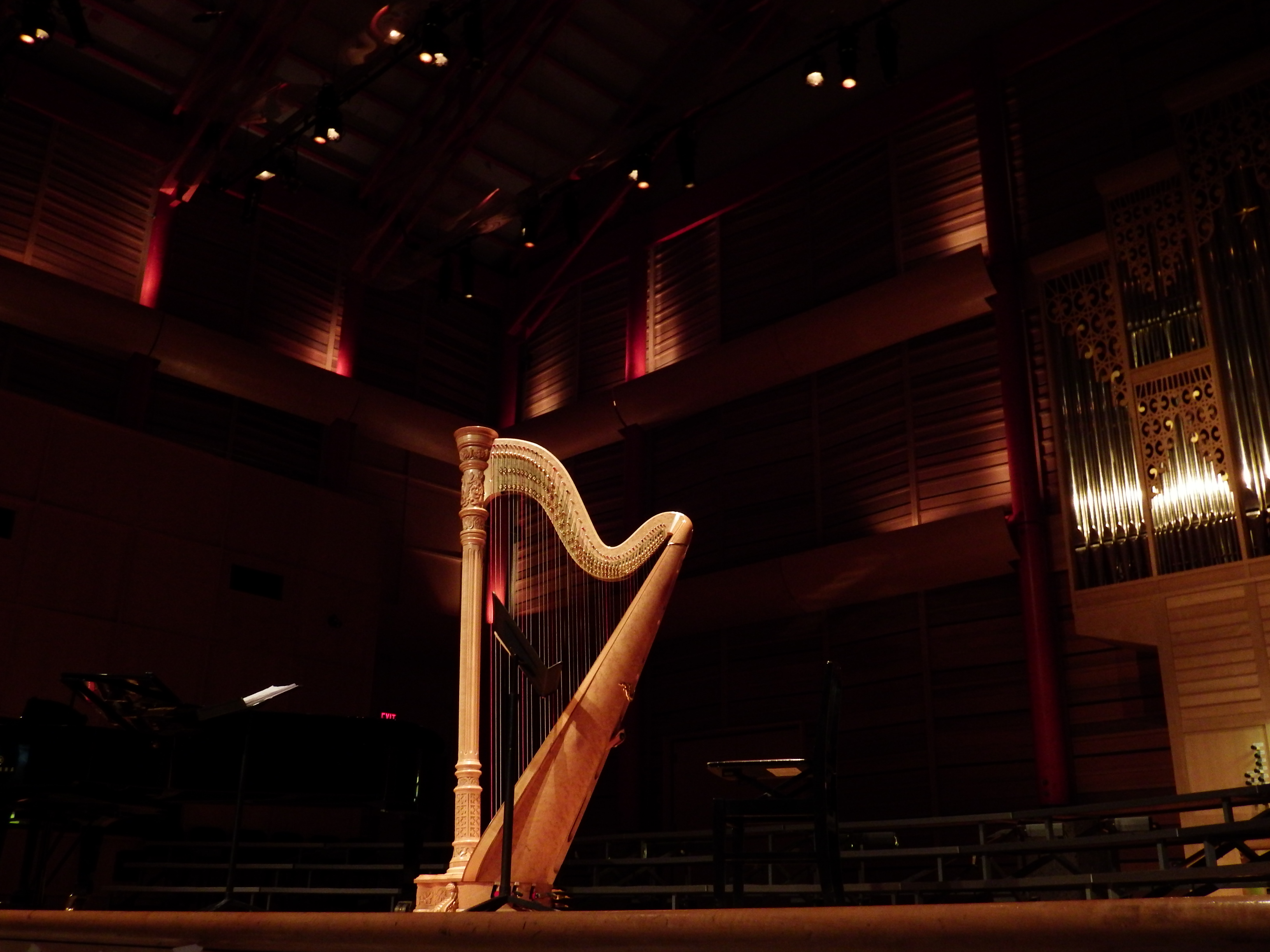
    We were also thrilled to have the amazingly talented Gianetta Baril playing the harp for us in Britten’s Ceremony of Carols!

    DSCF0481

    DSCF0480


    DSCF0523


    DSCF0552


    DSCF0577

    DSCF0650

    DSCF0671

    DSCF0596

    DSCF0690

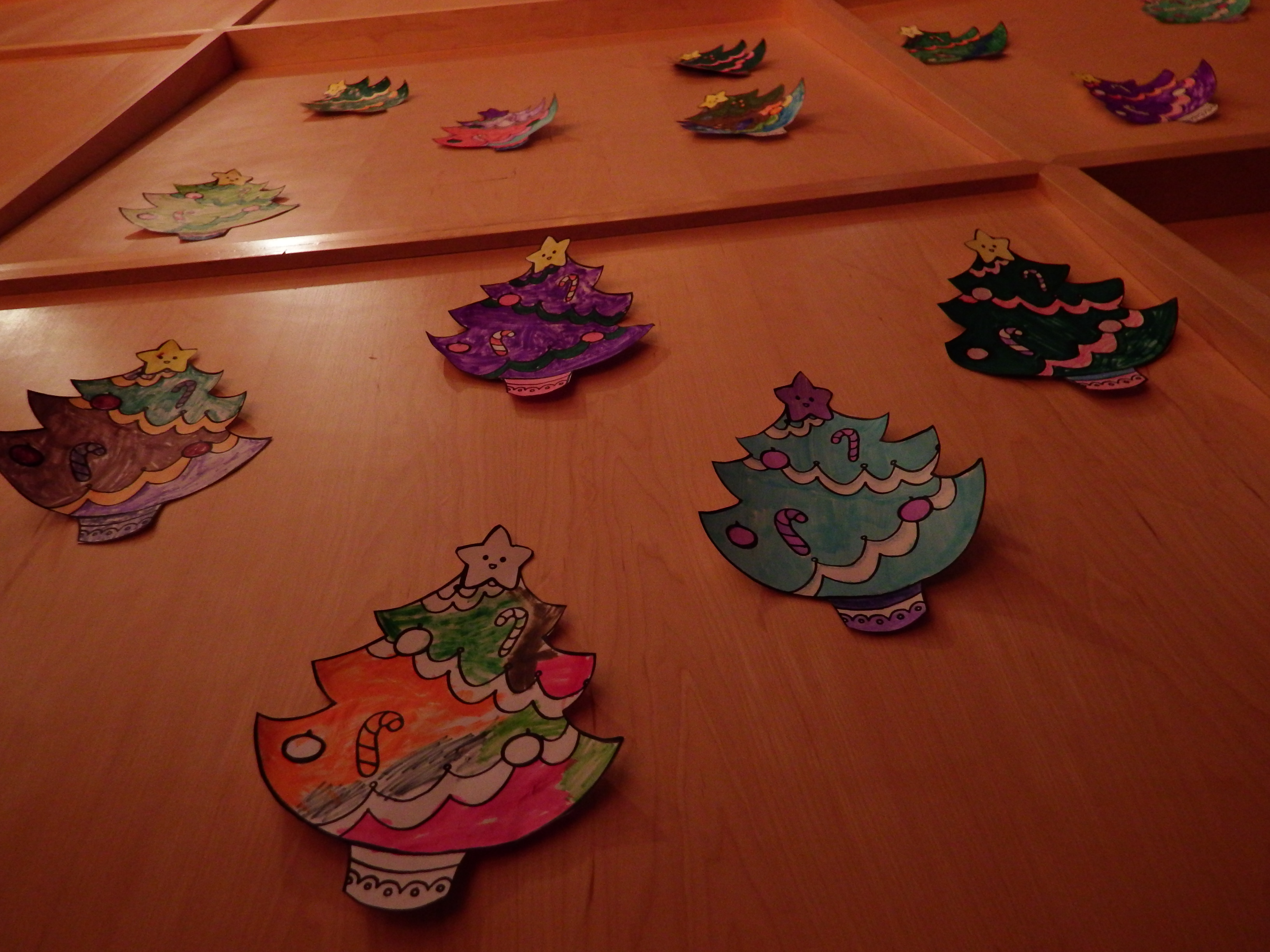
    That evening, we reconvened at the Rozsa Centre, to a fully decorated auditorium! The Christmas decorations were designed by our amazing Creative Consultant, Kat Long, and were made by our choristers!

    DSCF0555


    DSCF0558


    DSCF0683


    DSCF0687


    DSCF0678


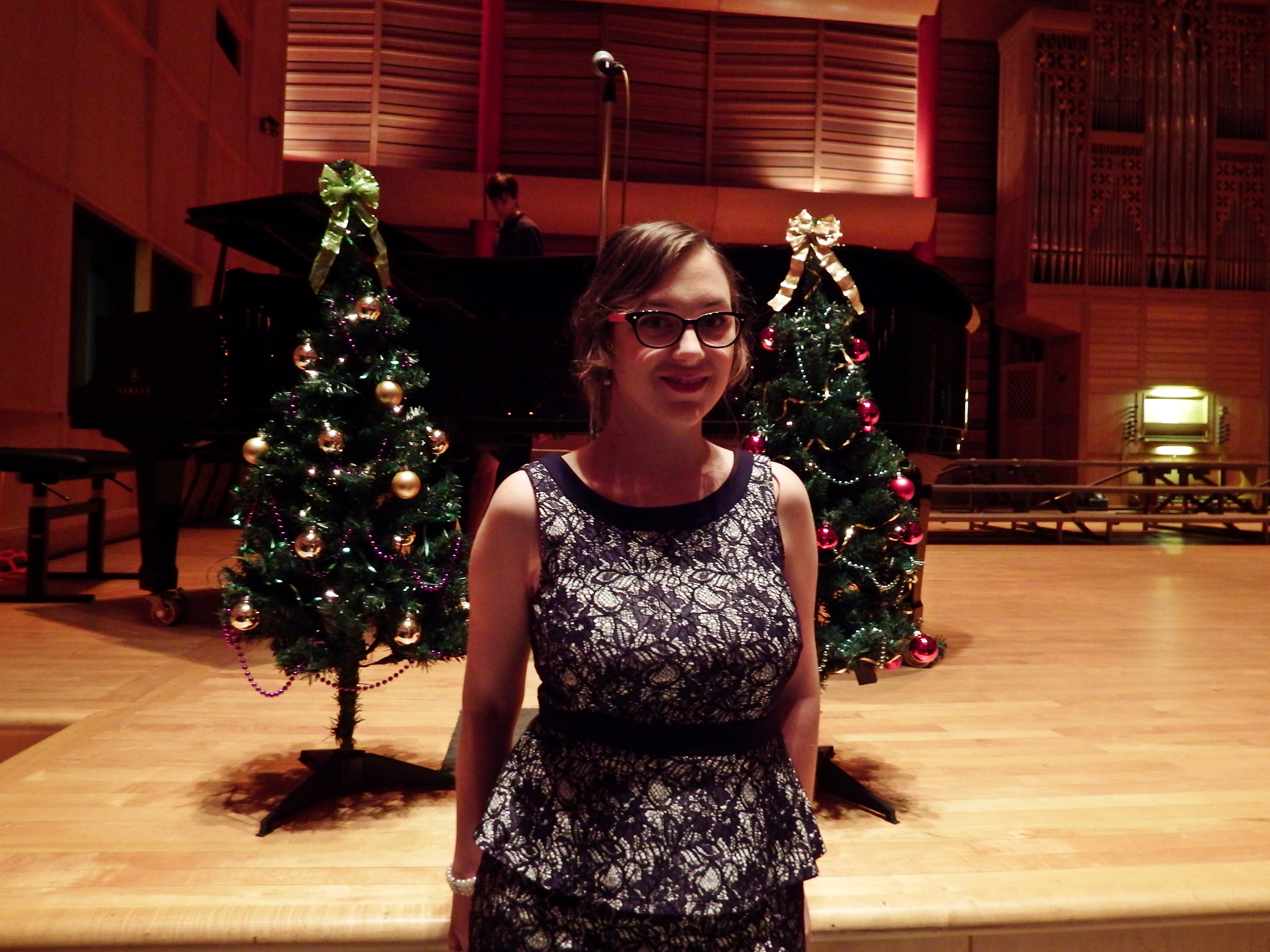
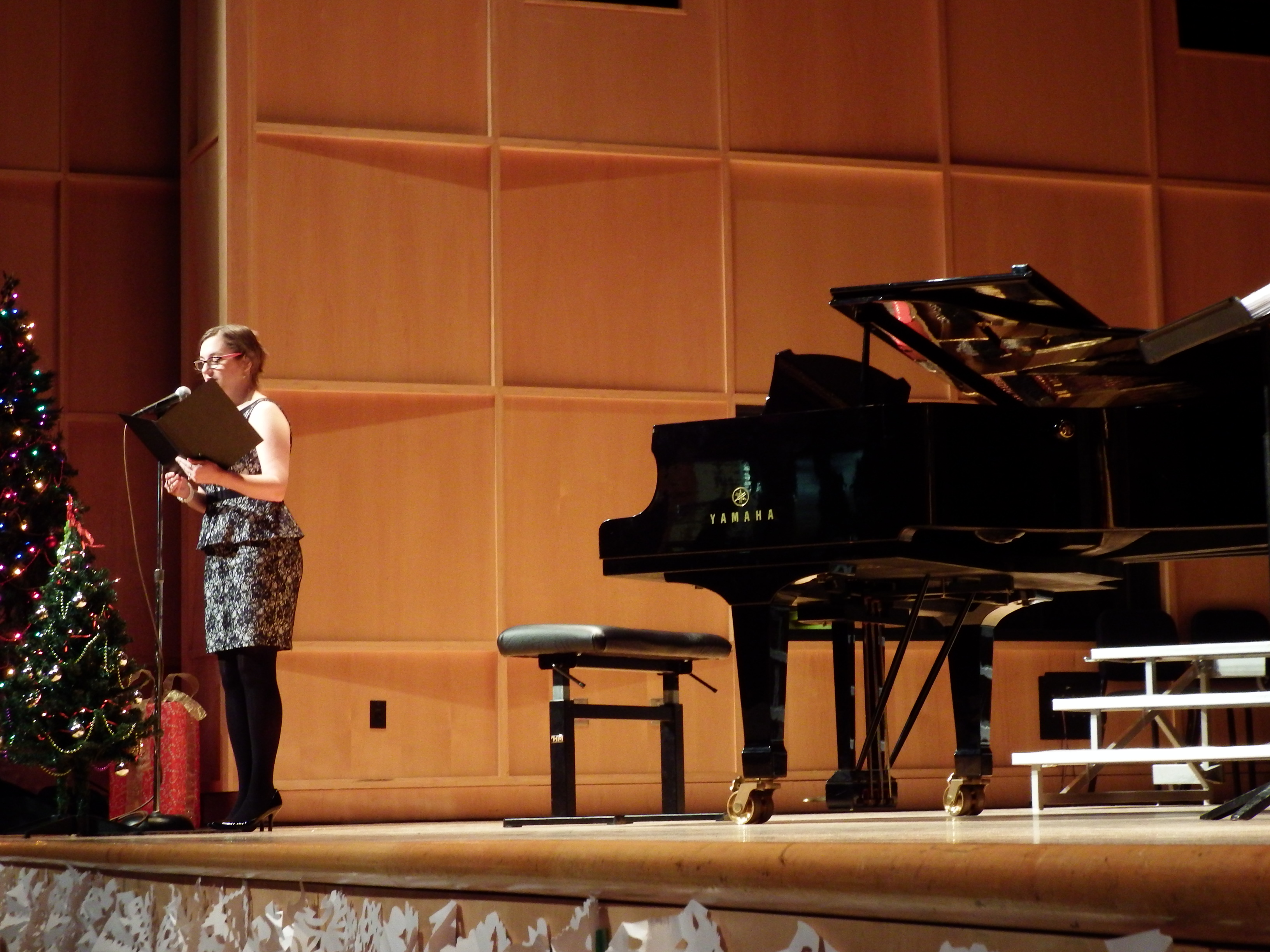
    We were so excited to present Benjamin Brittan’s A Ceremony of Carols, because it is one of our absolute favourite works! We were fortunate to have the wonderful Kat Long as our Master of Ceremonies for the evening!

    DSCF0734


    DSCF0861


    DSCF0867


    DSCF0812


    DSCF0880


    DSCF0887


    DSCF1018


    DSCF1004


    DSCF1059


    DSCF1065


    We were thrilled to present the Chandler Zawalykut scholarship to this year’s recipient, Patrick Shield!

    DSCF1150


    It was a wonderful concert, and a great way to celebrate the season!

    DSCF1188

    (Photography by Brieannah Mollison-Read)


    Check out our Facebook page on Wednesday for more photos from the concert, including a look backstage!

    Tell us, what was your favourite part of the concert?

    = Calgary Children's Choir


  • The Five Senses In Singing – Taste

    Welcome to our series, The Five Senses In Singing! For the next five weeks, we will be examining how the five senses – soundsightsmell, touch, and taste, are all related to singing!

    taste


    Taste is a very important sense in singing. As singers, our instrument is an integral part of our bodies, which means that any food we put in our bodies can have a negative or a positive impact on how we sing.
    One of the most important things singers need to consume is liquid; specifically, water. Although coffee, and soda might seem like hydrating fluids, they can contain caffeine, which, as a diuretic, is not helpful in hydrating your voice.
    Sugary drinks like soda, and fruit juices are also not great for singers because they leave a sugary coating on the throat. Milk is definitely something singers should drink, if they can, but not right before a concert, as dairy products can also leave a coating on the throat.

    In terms of food, the best kinds of food to eat are healthy ones! Anything with a high salt content will not be helpful before a performance, because the salt will dry out your throat. Leafy greens, and lean protein are the best things a singer can eat before a concert!

     
    Why else might taste be an important sense in singing? Tell us in the comments below!

    = Calgary Children's Choir


  • The Five Senses In Singing – Touch

    Welcome to our series, The Five Senses In Singing! For the next five weeks, we will be examining how the five senses – soundsight, smell, touch, and taste, are all related to singing!

    touch


    Our sense of touch is an important sense in singing. Touch is what allows us to feel the muscles in our abdomen support our air flow. Touch allows us to feel the air move up through our vocal folds, and to feel that air turn into sound. Touch enables us to feel that sound move up into our mouths to be formed into vowels, and sung out into the world!

    Touch is also important because it allows us to plant our feet firmly on the ground, to support our sound from the bottom. As well, touch allows us to relax our bodies, so that our sound can flow naturally; free of unnecessary tension.

    The sense of touch can also tell us if something is wrong with our body. If our throat hurts, if our body is too tense, or our sinuses are blocked, our sense of touch tells us that our body is not at its best for singing.

    How else is touch an important sense in singing? Tell us in the comments below!

    = Calgary Children's Choir

  • The Five Senses In Singing – Smell

    Welcome to our series, The Five Senses In Singing! For the next five weeks, we will be examining how the five senses – sound, sight, smell, taste, and touch, are all related to singing!

    nose


    The human ability to smell is the hardest sense to relate to the area of singing, because olfactory perception is not actually directly linked to singing. The nasal cavity however, is an essential aspect of the singing process, and one that is often discounted.

    Singers need to have a keen awareness of the physiological processes that are involved in singing, including the vocal folds, the tongue, and the palates, but an understanding of the nasal cavity, and its involvement in singing is fundamental to the production of good sound. This blog post is only intended to provide a brief, and simplified outline of one of the anatomical processes involved in singing, focusing specifically on the nasal cavity.

    vocal anatomy

    In classical singing, the nasal cavity is considered an important resonance chamber, along with the oral cavities, and sinus cavities. The nasal cavity allows sound to resonate in order to amplify the sound a singer produces. In order to achieve the greatest resonance with the nasal cavity, the soft palate must be lifted, and widened in order to facilitate resonance with the oral pharynx.

    For those interested in further exploration of the anatomy of singing, researchers at the University of Toronto created a great resource called Anatomia, which can be used to explore the anatomy of the head and neck in great detail.

    * There is a great deal of misinformation available about the anatomy of singing. Singers should be discerning when choosing resources about singing, and the anatomy of singing.


    Can you think of other reasons why smell, or the nasal cavity might be important in singing? Tell us in the comments below!

    = Calgary Children's Choir

  • The Five Senses In Singing – Sight

    Welcome to our series, The Five Senses In Singing! For the next five weeks, we will be examining how the five senses – sound, sight, smell, taste, and touch, are all related to singing!

    Sight


    Sight:

    Sight is a vital sense to the art of singing for several different reasons. Sight allows singers to read the music on the page, and respond to other singers and musicians with whom we are performing. It also allows us to gauge the emotional connection of the audience to the music, as well as to watch the conductor for important musical signals.

    An interesting aspect of sight that is not as obvious, is the evocation of  imagery. Having text in a piece, adds another layer to the musical interpretation. The poetry often found in vocal music conjures an image in the mind’s eye that allows singers to connect to the music in another way. This kind of ‘sight’ is a wonderful facet of musical interpretation, and really helps singers to communicate musically.

    Singers also have to use the sight of their mind’s eye when thinking about vocal technique. Imagining how the muscles of our abdomen regulate the air moving up through our throats and into our mouths; picturing the placement of the tongue, and the nasal passages to ensure great resonance also involves creating an image in our minds. This kind of ‘self sight’, allows singers to use their instruments as efficiently, and musically as possible.


    What are some other reasons why sight is an important sense in singing? Tell us in the comments below!

    Singing For The Joy off It!

  • The Five Senses In Singing – Hearing

    Welcome to our new series, The Five Senses In Singing! For the next five weeks, we will be examining how the five senses –  sound, sight,smell, taste, and touch – are all related to singing!

    Singing For The Joy Of It!

    Hearing:

    Our ability to hear is one of the most obvious senses involved in singing. It’s also one of the most important senses! In order for singers to be proficient in music, they need to have excellent hearing. But not just any kind of hearing. Trained singers, and other musicians, listen to music in an entirely different way than most people. Music is made up of many layers of sound, and singers are trained to ‘sort’ through those layers and to highlight the most important aspect of music.

    When singing in choirs, singers rely on the other choristers around them to enhance their sound, and so they must listen very carefully to the voices of the other singers surrounding them. This is especially true when the music has many different vocal parts.

    Intonation, the ability to sing in tune, is essential for a singer, and it requires an intense focus when listening to the music, and modifying one’s own sound to match. A singer’s ability to be self-aware is essential when focusing on hearing. It is not enough for a singer to listen; they must be aware of how their own sound fits into the greater sound around them, and adjust themselves accordingly.

    So, what do you think? What are other reasons why hearing is an essential sense in singing?

    Singing For The Joy off It!

  • Halloween Concert Roundup!

    Despite the 15 centimetres of snow, and blowing winds last night, our first concert of the year – the much anticipated Halloween concert – was a rousing success! The hall was decorated for Halloween by our amazing decorating committee, led by our Creative Consultant, Kat Long (who dressed up as an ice cream sundae!) It was so great to see all the choristers (and so many of the audience members) all dressed up in their costumes! Even our choir mascots, Piano and Forte, were dressed in Halloween costumes!

    DSCF7063


    DSCF7082


    DSCF7086


    DSCF7270


    DSCF7080


    DSCF7477


    DSCF7076


    DSCF7137


    DSCF7220

    The music was a great juxtaposition of haunting melodies, and fantastic imagery, in pieces such as Legend of The Unfinished Crafts and Bartok’s, The Highway Man as well as fun holiday favourites, like Ding Dong The Witch Is Dead, and The Time Warp! The concert was filled with fun and laughter, and included a surprise visit from the Ghostbusters, and a confessional song from our Artistic Director Marni Strome (who was dressed as a witch) that she ‘eats children’!

    DSCF7277


    DSCF7287


    DSCF7290


    DSCF7296


    DSCF7303


    DSCF7315


    DSCF7317


    DSCF7346


    DSCF7377


    DSCF7402


    DSCF7404


    DSCF7467

    DSCF7448

    After the concert, we had a wonderful reception, with amazing Halloween treats!

    DSCF7479

    Thanks to all of the choristers, parents, and audience members who braved the first snow storm of the year to see us perform!

    (All photography courtesy of Brieannah Mollison-Read)


    Tell us, what was your favourite part of the concert?

    Singing For The Joy off It!

  • House Songs!

    22

    This year, at our choir camp in September, we had a Harry Potter theme. As part of that theme, the choir members were divided into three different houses: House Harmony, whose Head of House was our Creative Consultant Kat Long, House Rhythm, led by our Artistic Director Marni Strome, and House Melody, whose Head of House was the Junior Choir Director, Rachael Mollison-Read.

    10

    The Houses were tasked with creating a song that exemplified what our choristers love about choir. On the last day of camp we performed the songs for each other, and our parents! So here are the songs each House created:

    House Harmony:
    http://www.youtube.com/watch?v=MK1SWLF8mpY&feature=c4-overview&list=UUil3fmUfboZVn9LteEljRLg


    House Rhythm:
    http://www.youtube.com/watch?v=bpsO_K2BUCc&feature=c4-overview&list=UUil3fmUfboZVn9LteEljRLg


    House Melody:
    http://www.youtube.com/watch?v=Yex_q5mJO9E&feature=c4-overview&list=UUil3fmUfboZVn9LteEljRLg


    (All video courtesy of Christina Jahn)


    Tell us, what do you think of the House Songs?

    Singing For The Joy off It!

  • The Importance of Analysing Text


    Music


    Text is an integral aspect of music, and is generally only found in vocal music. For the most part, instrumentalists do not have to worry about diction, enunciation, pronunciation, and most importantly, the detailed process of understanding the text.

    For singers, text is an inherent facet of music; one that provides us with another important layer to explore when learning music. Many composers of vocal music, begin their compositions by choosing  text, and then compose music that is informed by that text, in order to augment, and intensify the underlying message.
    Because text is such an important part of singing, analysing that text is a fundamental step in the process of learning music, and an inherent aspect in bringing a piece of music to life.  In choir, we often have discussions about the meaning behind a piece we are learning.

    Here are some things to consider when analysing text:
    Do you understand the meaning of every word in the text? (This becomes especially important when the text is in a language you don’t understand.)
    – Which words are the most important in both the sentence, and within the musical phrase? These are the words that should be highlighted when singing.
    – How does the music reflect the text, or vice versa? There are often subtleties in the music that help to amplify the meaning of the text, which singers need to recognize.

    How often do you consider the text of a piece you’re singing?

    Singing For The Joy off It!

  • Choral Singing Versus Solo Singing

    = children singing

    There are many differences between choral singing and solo singing. Here are three important differences to consider:

    #1. Blend: One of the key factors in choral singing is blending many voices to sound as one. This involves modifying vowels, matching voice colours, and decreasing vibrato, all to make a seamless sound. In solo singing, the objective is to make the voice stand out against the other instruments. Blending voices with other singers is not an aspect of singing on which a soloist needs to focus.

    #2. Breath: Another important difference between singing in a choir and singing solo, is breathing. As a solo singer, there are no other voices to support you when you need a breath. A solo singer must manage their breath to last for the entirety of a phrase. While choral singers also need to pay close attention to phrasing, they have more flexibility to breathe, because there are other voices to cover a breath in the middle of a phrase. This method of breathing in choral music is referred to as staggered breathing.

    #3. Intonation: While a solo singer needs to be very conscientious of their intonation in respect to other instruments, choral singers also have to consider matching pitch to the other singers around them. This can be quite challenging since tone, colour, and energy are all factors that can affect intonation. The more voices there are in a choir, the more challenging good intonation becomes!


    What do you think are some other important differences between choral singing and solo singing?


    Singing For The Joy off It!