Category: Information

  • Introducing the Calgary Community Choir!

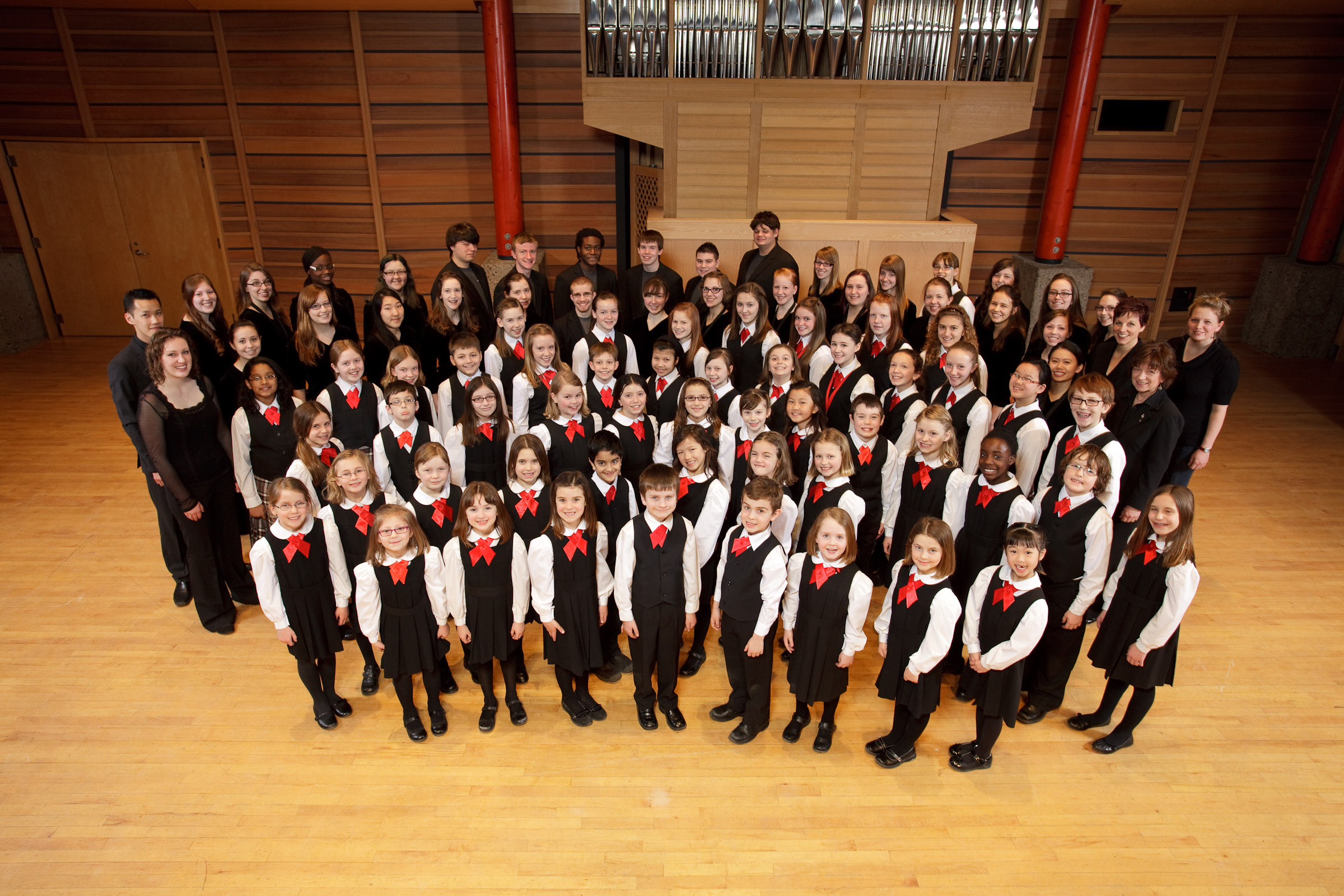
    The Calgary Children’s Choir is pleased to introduce the Calgary Community Choir. This is the newest addition to our multi-age program and will welcome choristers 21 and older. Anyone with the desire to sing is invited to enroll regardless of choral experience. The long-awaited, new group will be under the direction of Marni Strome, the current musical director for the Calgary Children’s Choir and the Calgary Youth Choir.

    “This has been a highly demanded group and I think now is just the right time to start it up,” says Marni Strome.

    The group will be practicing once a week from 7:30pm to 9pm on Thursdays beginning Oct. 4 leading up to the Christmas concert in December. The group will then start back up in March in preparation for the final May concert. With a total of 10 rehearsals before performances, YYC CC is a low commitment group perfect for those with limited time.

    “There is a possibility that with enough demand we would consider restructuring the rehearsals to span the entire year,” explains Marni, “but during this trial period we will start with less commitment and see how it goes.”

    The group will be an amalgamation of the St. Giles Church Choir and Calgary Community Choir members. Members have the opportunity to enroll with the church choir and join them on Sundays for the service free of charge. Registration for the new group includes a fee of $130 per semester or $260 for the full year. We hope to see alumni and newcomers alike!

    If you or anyone you know has questions about the YYC CC, contact Business Manager Linda White at info@calgarychildrenschoir.com

    To register to the Calgary Community Choir please click HERE.

    Happy singing!

     

  • Welcome to our 2017-2018 Singing Season!

    Music

    Welcome to the Calgary Children’s Choir’s 31st Singing Season!

    Our Calgary Children’s Choir and Calgary Youth Choir start rehearsals tomorrow (Tuesday, September 12th, 2017)
    Our Music Makers and Calgary Junior Choir start rehearsals on Thursday (Thursday September 14th, 2017)

    We are delighted to be back after our wonderful 30th Anniversary Celebrations in May, and an amazing tour to Italy over the summer!

    There are some important changes to the choir this year! Our wonderful Artistic Director, Marni Strome, is taking a sabbatical to finish her Master’s Degree in the United States. We are thrilled that she is continuing to oversee her artistic vision for the choir while she is away, and are very excited for her to bring all of her knowledge and experience back to us next year! Best of luck with your program Ms. Strome!

    For the upcoming season, we have some important staff changes:

    *Music Makers will be taught by Shinia Van
    *The Calgary Junior Children’s Choir will be conducted by Lindsay Phillips
    *The Calgary Children’s Choir will be conducted by Kathryn Berko
    *The Calgary Youth Choir will be conducted by Andreas Berko

    We look forward to new perspectives, and interesting information from our wonderful CCC team! Please give our new staff members a very warm CCC welcome!

    We are off to choir camp in just a few weeks! This is one of our favourites events of the year! Please speak to our business manager Linda White if you haven’t signed up for camp yet!

    The CCC will be presenting three concerts this year:

    Christmas Concert: Saturday, December 9th, 2017 – Rozsa Centre, University of Calgary –  7:00pm

    Annual Concert: Saturday, March 10th, 2018 – Rozsa Centre, University of Calgary 7:00pm

    Spring Concert: Saturday, May 12th, 2018- Rozsa Centre, University of Calgary 7:00pm

    And all of the events for the year can be found on our Event calendar here.

    What are you most looking forward to in our 2017-2018 singing season? Tell us in the comments below!

    Calgary Children's Choir

  • Welcome to 2016-2017!

    Calgary Children's Choir Welcome blog

    Welcome to our 2016-2017 Singing Season!

    We are thrilled to welcome returning and new choristers to another year of wonderful music with the CCC! There are many wonderful events in store this year, including the celebration of our 30th Anniversary!

    September 16th-18th, 2016 – Choir Camp
    December 10th, 2016 – Christmas Concert @ St. Giles Presbyterian Church 7:00pm
    January 27th – 29th, 2017 – CCC & CYC Winter Retreat
    March 11th, 2017 – Annual Concert @ The Rozsa Centre 7:00pm
    May 12th, 2017 – 30th Anniversary Reception and Rehearsal – 6:00pm-9:00pm – Crescent Heights Baptist Church
    May 13th, 2017 – 30th Anniversary Concert Rehearsal
    May 14th, 2017 – End of Year Celebration Banquet – 5:00pm – Foothills Alliance Church

    (You can refer to our Calendar for more details!)

    *In honour of our 30th Anniversary Celebration, we are creating a Legacy Page for the website. We are asking our alumni to send us a short bio, with a photo of you currently (and maybe even one from when you sang with us!) We’d love to know more about our alumni, and what you’re currently up to! Please send bios and pictures to calgarychildrenschoir@gmail.com!

    What are you most excited about this singing season? Tell us in the comments below!

    Calgary Children's Choir

  • Musical Professions: Audio Engineer

    Audio Engineer

    This is the sixth post in our series, Musical Professions, in which we will be taking a closer look at the myriad of careers available to those with a background in, and a passion for music!
    Many musicians chose to pursue a combination of these musical professions, making them incredibly versatile and well-rounded!

    Audio Engineer

    An audio engineer is responsible for using technology to improve the production quality of recorded music. They also do live sound mixing during live performances at concert halls, theatres, and arenas. Audio engineers require a high degree of technological proficiency, excellent aural musicianship skills, and a great deal of patience!

    There are also sound and audio engineers who hold engineering degrees, who work primarily in acoustical engineering, creating new sound technologies such as perfecting instruments, collaborating with architects to create buildings that best amplify sound, and even in the medical application of sound and music, such as the field of psychoacoustics.

    Here is an interesting video depicting a day in the life of an audio engineer:

    What other aspects of music are audio engineers involved with? Tell us in the comments below!

    Calgary Children's Choir

  • Math and Science In Music: Muscle Memory

    Math and Science In Music - Muscle Memory

    Music is such a wonderful pursuit for mind and body because it is not just an art form, but combines a myriad of other disciplines, including mathematics, biology, and physics. This series, Math and Science in Music will explore the many ways in which music incorporates a variety of these disciplines.

    MUSCLE MEMORY

     Our bodies are amazing at doing so many things. The physiological makeup of our bodies allows us to make music by playing instruments, or by using our voices. One of the most amazing aspects of these bodies is what is commonly referred to as ‘muscle memory’. This term can be a misnomer, because it does not actually mean that memories reside in your muscles.

    Instead, our brain has the ability to develop what are known as ‘procedural memories’, an ability which is developed through repetition. By practicing something over and over again, our brain develops synaptic pathways that allow our bodies to perform these tasks without conscious thought.

    For musicians, muscle memory can be a tremendous boon. Instrumentalists develop the ability to play scales and other technical aspects of music without conscious thought. Making the technical aspects of musicianship a ‘procedural memory’, allows musicians to focus on the artistic expression of their music. It is also what allows them to learn and remember massive amounts of musical data; so much so that a professional musician can sit down at a piano years later and still play a piece they haven’t performed for many years.

    music_slide

    One caveat about muscle memory is that the synaptic pathways do not distinguish between good playing, and poor playing. If you repeatedly practice a scale or a piece incorrectly your brain with put those errors into your procedural memory, and it can be very difficult to ‘un-learn’ those mistakes.

    What other effect does physiology have on music? Tell us in the comments below!

    Calgary Children's Choir

  • Math and Science In Music – Sound Waves

    Math and Science in Music - Sound Waves

    Music is such a wonderful pursuit for mind and body because it is not just an art form, but combines a myriad of other disciplines, including mathematics, biology, and physics. This series, Math and Science in Music will explore the many ways in which music incorporates a variety of these disciplines.

    Sound Waves

    The way we understand sound, is a product of the scientific discipline of physics. From the study of physics, we understand that sound is a vibration; a mechanical wave of pressure through air (or sometimes water!)

    sound waveIn the diagram above you can see that the type of wave generated has a great effect on what kind of sound is eventually produced. Sound waves affect volume, pitch, timbre, and dynamic!

    Check out this interesting video for a deeper understanding of the physics of sound:


    How else is the discipline of physics used in music? Tell us in the comments below!

    Calgary Children's Choir

  • A Brief History Of Choral Music

    choral music

    People have been singing together for as long as we have kept recorded history. The history of Western choral music as we know it today had its origins in sacred music.

    Gregorian chant was commonly used in churches as a form of worship. Monks would sing the passages in unison, blending their voices to create the sound that we strive to achieve in modern choir; many voices sounding as one.

    https://www.youtube.com/watch?v=eC6OKIYXBxQ

    As music composition matured, the use of several different tones began to be common. Polyphony, or as we began to be used in increasingly complicated iterations. As polyphonic sound increased the breadth and depth of music heard in church, composers began to seek a greater range of sound. Since women were not allowed to sing in church, composers turned to the high soprano sounds of young boys, who were able to sing the treble lines.

    Church music reflected the changes of society and with the Reformation of the 16th century, sacred music was forced to adapt. In order to clarify the words sung in sacred music, reformists insisted that there by one syllable per note, thus signaling an end to the prevalence of polyphonic music, and giving rise to homophonic music. Instead of the vertical lines of melody overlapping, there melodies would move at one, on different pitches. Focus on text had another effect on music – it resulted in a greater focus on the marriage between text and melody. This is best reflected in madrigals (which we will feature in our spring concert!)

    https://www.youtube.com/watch?v=1w38kHRd0vE

    Choral music began to leak outside of the church, and into more secular performances. Though still used in church, choral music in the secular arena had greater license to experiment away from the rigid strictures of the church. Often instruments would double the voices of the choir, but increasingly, choirs were used to enhance instrumentation, and to add another important layer to music. The use of text allowed another layer of communication, and the audience responded appropriately. Several of the most famous choral moments in history involved the use of large choirs singing with large symphonies, as seen in Beethoven’s 9th Symphony – Ode To Joy:

    https://www.youtube.com/watch?v=xBlQZyTF_LY

    With the advent of modern music, many people think that choral music has fallen by the wayside. But this is categorically untrue. More than ever, people seek the togetherness and intimacy that singing with others affords. This is seen with the myriad of choral groups available in every major city in the world. The advent of technology also introduces a new kind of creativity in choral music, best illustrated with events like Eric Whitacre’s Virtual Choir. (Check out his great Ted Talk about the process!)

    Though choral music has a long and illustrious history, it is far from over! If anything choral music is just getting started. After all, the joy and wonder of singing with others is something that will never go out of style!

    What is your favourite kind of choral music? Let us know in the comments below!

    = Calgary Children's Choir

  • The Value Of Not Performing

    Calgary Children's Choir

    The Calgary Children’s Choir has three major performances a year; our Christmas concert, our Folk Concert, and our Spring concert. Sometimes we’ll have other singing engagements sprinkled in as well. Much of the music that we learn throughout the year is chosen for one of those concerts, but sometimes we learn music without having a specific performance in mind. There are several reasons why we find value in learning music that is not for performance:

    Practical Elements:
    Often we learn a piece of music to demonstrate a certain aspect of music to our choristers. This could be anything from multi-part harmonies, to great vocal leaps, appropriate breathing techniques, or poignant text. What our choristers take from a piece of music should be from our rehearsals and exercises, our workshops and the practice they might do at home. A piece of repertoire is a valuable way to provide an example of a musical technique, but that doesn’t mean that we have to perform that piece.

    Music For Its Own Sake:
    While it is wonderful to perform, we shouldn’t think of music as valuable only in the context of performance. Much of what makes learning music so amazing – the self-discipline, the hard work, the hours of practice, are all aspects that are not readily seen in a performance. It is important that we teach our choristers that learning music is important because music itself is important, and not just the act of performing music.


    Do you think every piece you learn needs to be performed? Tell us in the comments below!

    = Calgary Children's Choir

  • The 5 Best Music Apps For Singers

    Apps have become prevalent with our use of technology, and they can be highly beneficial for singers on the go. There are a myriad of excellent resources available for musicians at the touch of a finger, but here are 5 apps that we think are some of the best for singers.

    YouTubeYouTube: (available for iOS and android)

    YouTube is a platform that allows users to post, share, and view video. It is incredibly useful for singers because it allows them to view as well as hear performances by other musicians. There are millions of hours of video to choose from, and YouTube has a very powerful search algorithm to allow users to find what they’re looking for.
    Cost:FREE!


    mzl.rnchlpldVirtuoso: (available for iOS)

    This is a great free piano app, designed to look and sound like a real piano. Virtuoso is particularly valuable because it names the true note names on the keyboard, and users can play multiple notes (like a chord) at the same time. In the app’s latest update, they’ve included new sounds; guitar, clarinet, as well as dual keyboard function.
    Cost: FREE!
    Android alternative – Real Piano


    ygfxjqlgywegaff1gqseShazam: (available for iOS and android)

    Shazam is a music identification app. It allows users to press a button when they hear a song they like. Shazam then listens to the song, identifies it, and provides links to where the song can be found online. It’s a great app for anybody who loves music, because it allows you to discover new music you like, simply by pressing a button.
    Cost: FREE!


    pr_sourceGarageBand: (available for iOS)

    This is a very powerful tool that can be used on Apple products. GarageBand allows users to create multi-layered music, as well as podcasts. It includes several powerful editing features, as well as multiple instruments, and its latest update allows users to access music lessons.
    Cost: FREE!


    Sd8Iv_0bEarBeater: (available for iOS)

    Despite the cost, EarBeater is the best ear training app available. It includes over 200 exercises in each section, and contains lessons about intervals, chords, and scales in an extremely user-friendly design. Its latest update allows users to create their own ear-training exercises.
    Cost: $7.99
    Android alternative – Perfect Ear


    What is your favourite music app? Tell us in the comments below!

    = Calgary Children's Choir


  • 3 Ways Singers Can Manage Illness

    Illness

    Getting sick at some point during the singing season is inevitable, but it doesn’t necessarily mean that a singer is completely out of commission. Here are three ways that singers can manage illness:

    #1. Be proactive:
    The best thing a singer can do is to prevent themselves from getting sick by being proactive. This can be done in a variety of ways, but the first step is to make sure you’re washing your hands on a regular basis. Every surface we touch is coated in germs and viruses just waiting to take us down. Ensure that you’re getting enough sleep, and that you’re well rested. Eat food that is nutritious and healthy, and be sure that you’re using your voice in a healthy way – no shouting, please!

    #2. Assess your illness:
    Do you have a sore throat? Are you stuffed up? These symptoms don’t necessarily mean that you can’t participate in a choir rehearsal. Just because you can’t sing, doesn’t mean you still can’t learn something at a choir rehearsal. Unless you are bed-ridden, you can still come to choir practice, and follow along with your music. This will ensure that you don’t fall behind, even if you’re unable to sing.

    This can go the other way, as well. If you are very sick, and bedridden, then you should definitely not attend choir rehearsal, to prevent the illness from spreading, and making other choristers sick.

    #3. Get Better Soon!
    Make sure you’re doing what you can to get over you illness as quickly as possible. This usually involves getting as much sleep as possible, and eating well. By taking good care of yourself, you can be back to your regular singing self in no time!

    How do you manage illness as a singer? Tell us in the comments below!

    = Calgary Children's Choir

  • Welcome to 2015!

    2015 New Year celebration

    Welcome back to 2015 everyone! We have a very exciting year ahead of us, and we’re thrilled for you to join us!

    At the end of January, our Children’s Choir, and Youth Choir will be returning to Bragg Creek for a Winter Choir Camp retreat! This is the first time we’ve held a winter retreat, and we’re very excited! In March we will have our annual Folk Music concert at the Rozsa Centre, on March 22nd. On May 24th, we will have our annual spring concert, also at the Rozsa Centre.

    The Calgary Children’s Choir will be touring to Ottawa this year at the beginning of July, to participate in the Unisong festival for our second time! We are very excited to be returning to the music festival and celebrating Canada Day with good friends and good music! We will be featuring a tour blog again right here on our website so you’ll be able to follow along with the tour, and hear what the choir is doing every day!

    We are also very excited to announce that the Calgary Children’s Choir website will have online registration available for spring 2015. This will enable returning choristers to register efficiently, and new choristers to have a quick and easy way to register via the website!

    = Calgary Children's Choir


    What are you excited about for 2015? Tell us in the comments below!


  • The Value Of Singing In Different Languages

    learning music

    Since the Calgary Children’s Choir is a Canadian choir, a large portion of the music we sing is in English. We have also sung in French, German, Italian, Spanish, Finnish, Japanese and several other languages! Singing in your native language is great, because you already understand the text. But there is a great deal of value in learning to sing in other languages:

    #1. The Challenge
    Singing music in another language provides another layer of difficulty to the learning process. There are so many aspects of language acquisition to consider, including cadence, pronunciation, and the many nuances of the language. As well, the text must be analyzed to ensure that choristers know what they’re singing about, and to communicate that effectively to the audience.

    #2. Perspective
    Singing in a language other than your native tongue, forces choristers to look at the piece from a new perspective. Context is essential when you don’t inherently understand the words you’re singing. Different languages have different ways of describing details, they come with historical nuances, and correct pronunciation is crucial to ensure that the words are communicated effectively. Learning music in another language demands that singers focus on new and challenging aspects of the piece, that they may not usually consider.

    #3. New Learning Opportunities
    Singing in other languages does not just provide learning opportunities in language. When we learn music in a different language, we encourage our choristers to explore a variety of aspects of the culture from which the language originate, including food, dance, religion, geography and other customs. This context is crucial in understanding the language in which we’re singing, but also understanding the historical significance of the music itself!

    What do you love about learning to sing in other languages? Tell us in the comments below!

    = Calgary Children's Choir

  • Organization In Choir – Concert Readiness

    Calgary Children's Choir Uniform

    Concerts are some of the most important events for our choir during the year. Here are several tips to make sure you are organized and ready for a concert!

    #1. Make sure your uniform is ready:
    Our uniforms are an important aspect of our presentation as a choir, so you need to ensure that your uniform is concert ready. When you get your uniform at the beginning of the year, the first thing you should do, is check that it fits properly. And since children grow at an astounding rate, you need to check that your uniform fits, at least one week before the first concert! You also need to make sure that the uniform is clean, and is worn properly. We have a uniform guideline with photos in our Members Portal.

    #2. Make sure you have your music learned:
    Learning your music is an essential aspect of concert readiness. Performing is not just about singing the words and the notes that we’ve learned. It is about responding to the conductor, and the voices around you, as well as the energy from the audience, and delivering a ‘musical moment’. Each performance of a piece is different, because of these nuanced factors. Having your music learned before the concert, ensures that you can respond to each of these subtle aspects, and deliver something spectacular!

    #3. Make sure you are punctual: 
    Arriving for a concert on time is essential. We always have an earlier call time than our performance, but this doesn’t mean you should be late. The call time is important for the choristers to have time before a performance, together, to make sure that everything feels settled, and calm before the concert. At our Christmas concert, we also take our class photos, and if you’re late, you won’t be in the photo!


    How do you organize yourself so you’ll be ready for a concert? Tell us in the comments below!

    = Calgary Children's Choir

  • Organization In Choir: The Music Binder

    Choir Binder

    Our music binders are one of the most important aspects of our choral lives that we need to keep organized. Because of the high volume of music that we learn, especially music that we work on throughout the year, there are several steps we take to ensure our binders stay organized.

    The first step is that we give each chorister an assigned binder. The number of the binder is recorded each year, and returning choristers are given the same binder number. We also give out choir bags in which to keep the choir binder, as well as a pencil and a waterbottle. This is to ensure that choristers have one place in which to keep their music.

    The second step is our use of sheet protectors. These are plastic inserts that sit in the choir binder. Our music goes inside the sheet protectors, ensuring that the music isn’t ripped or bent, or spilled on!

    The third step is organizing the music within the binders. This is left up to the discretion of each individual chorister, but most choristers organize their music alphabetically. When we get closer to a concert, many choristers switch their organization system to reflect the concert order.


    How do you keep your music organized? Tell us in the comments below!


    = Calgary Children's Choir


    How do you organize your choir binder? Tell us in the comments below!

  • Performer Placement

    = calgary childrens choir


    There are many different ways to arrange a choir, based on how the conductor determines the best choral sound can be achieved. This can lead to many variations in performer placement.

    #1. In a more traditional choir formation, the lowest voices are usually found in the middle section of the choir. This can be the tenor and bass section in an adult choir, or just the alto voices in a children’s choir arrangement.

    #2. It is often helpful to have the strongest voices in the back, and on the ends of rows. This makes their sound carry forward, to provide support for other choristers. In a children’s choir this is especially effective since often the more experienced singers are usually the older choristers!

    #3. The choir formation is generally curved for a couple of reasons:

    i) It allows the conductor to see, and be able to make eye contact with every single chorister. This is crucial for musical                                              connection and synchronicity.

    ii) It allows the sound to come to a focal point, so that first the conductor, and then the audience can hear a blended                                                    choral sound.

    #4. Since blend is one of the highest priorities of choral sound, some choirs will blend their sections. In blended choirs, singers often stand next to choristers from completely different sections. This allows them to hear the way their part sounds with the other parts, and adjust their own sound accordingly!

    If you’re interested in learning more about performer placement, this blog post offers some interesting insights on choir formations.


    What is your preferred performer placement? Tell us in the comments below!

    = Calgary Children's Choir


  • A Brief History of Folk Music

    Come and check out our annual Folk Concert on March 8th, 2014 at the Rozsa Centre, and hear some great examples of Spanish folk songs!

    folk-music_2256313b

    Folk music has a long history, and because of the nature of the music, it has no definitive historical date of origin. It is widely considered to be the ‘music of the common people’ . In the latter part of the 16th Century, only a small, elite portion of society was taught to read, and practice traditional music. The peasants, although almost all illiterate, still played, and enjoyed music. But because they could not read or write, they had to learn music using alternate methods, primarily through oral transmission.

    Thus folk music is largely music that was not written down, but passed from person to person by listening and performing the songs many times. It is usually quite specific to the region and culture that it comes from. For example, many Canadian songs from the Maritimes discuss the fishing industry, because it was such an important aspect of Maritime culture.

    Since there are no definitive dates for folk music, stylistic characteristics are the common determinant of music belonging to this genre.

    – music acquired through oral transmission

    – folk music is generally very regionally and culturally specific

    – the composer for pieces of folk music is usually unknown

    – there are many different versions of the same song


    What are some of your favourite folk song? Tell us in the comments below!

    = Calgary Children's Choir


  • The Value of Touring

    = calgary children's choir

    Tour is just one of the many exciting benefits of joining a choir. The Calgary Children’s Choir tours every two years, and we carefully select touring destinations that enhance our music knowledge, and our cultural experiences. Here are three reasons why going on tour is such a valuable experience:


    #1. Exposure to new cultures:

    Travel is a wonderful way to be exposed to new cultures, ideas, languages, and most importantly on choir tours, new kinds of music. While on tour, choristers are immersed in all the tour destination has to offer; food, historical and cultural landmarks, language, and of course, music! This provides an invaluable experience to young minds, and fosters an interest in other cultures, and their music!

    = Calgary Children's Choir

    #2. Musical Memories:

    Any kind of travel forms lasting memories, but a choir tour exposes choristers to a unique kind of experience; musical memories. Because the main goal of a choir tour is to educate choristers about new and different kinds of music, or performers, the memories made while on tour, are often associated with music. This is an exceptionally powerful kind of muscle memory, and it means that those recollections will be that much more potent. Memories made on tour last a lifetime!

    = Calgary Children's Choir

    #3. Choir cohesion:

    Going on tour, is a much different experience than a weekly, or even twice weekly choir rehearsal. On tour, almost every moment is spent with the choir, or with a small group of the choir. This is a time when friendships between choristers, and their conductors flourishes, as everyone gets to know each other, and form meaningful connections from shared experiences. Eating, sleeping, singing, and visiting new places together forms a really wonderful bond between choristers who travel together. Amazingly, this tight bond is reflected in the quality of the touring choir’s performances! The choir that tours together, sings even more beautifully together!

    = Calgary Children's Choir


    Tell us, what do you love most about tour? Where do you hope the choir is touring on our 2015 tour?


    = Calgary Children's Choir

  • Why Choose Choir?

    There are so many wonderful extracurricular activities for kids to enjoy these days that it may be hard to decide between them all! Here are four reasons why choir is a fantastic experience for young people!

    = calgary childrens choir

    #1. Music is good for your health:

    There are many studies (here, here, and here) that  have shown how beneficial music can be in maintaining good health.  In a very interesting study published in Frontiers of Neuroscience, researchers demonstrated that when people sing together in a choral setting, their heartbeats actually begin to sync together! The benefits of learning music are many!


    #2. Choir is social:

    Unlike other musical endeavours, choir is very a social activity. The main purpose of choral music is to make many voices sound like one voice! This requires teamwork, excellent listening skills, and above all a group mentality. In choir, you can make friendships that will last the rest of your life!

    = calgary children's choir

    #3. Additional Skills:

    The study of music imbues students with many skills other than the ability to read music. Performance skills, essential to any kind of presentation, confidence, focus, and self-discipline are all skills that result from time spent in choir.


    #4. Travel:

    One of the greatest adventures in choir is going on tour! The Calgary Children’s Choir tours both nationally and internationally every two years, and it is always a wonderful experience for choristers. Exposure to other cultures, languages, and music is such a valuable asset to young minds!

    = calgary children's choir


    Why do you think choir is a great activity? Tell us in the comments below!

    = Calgary Children's Choir

  • Welcome to 2014!

    NewYear


    Welcome to 2014! Hope you all had a wonderful holiday! We are so excited to be starting another great season of singing. There are a number of exciting events planned for the coming months.

    In March, we have our Folk Concert entitled Cantar! Spain, in Song. The concert will be held at 7:00 pm at the Rozsa Centre, on March 8th, 2014.

    Our annual spring concert, entitled, Songs of the Cinema, will feature pieces made famous through movies, and television! We are very excited for this concert, which will also be held at 7:00 pm at the Rozsa Centre, on May 10th, 2014.

    Check this blog every Monday for new posts. This year we will be featuring some interesting articles relating to our upcoming concerts, including a Songs of the Cinema series in April!


    What are you most excited about in the upcoming 2014 Calgary Children’s Choir singing season? Tell us in the comments below!

    = Calgary Children's Choir

  • The Five Senses In Singing – Smell

    Welcome to our series, The Five Senses In Singing! For the next five weeks, we will be examining how the five senses – sound, sight, smell, taste, and touch, are all related to singing!

    nose


    The human ability to smell is the hardest sense to relate to the area of singing, because olfactory perception is not actually directly linked to singing. The nasal cavity however, is an essential aspect of the singing process, and one that is often discounted.

    Singers need to have a keen awareness of the physiological processes that are involved in singing, including the vocal folds, the tongue, and the palates, but an understanding of the nasal cavity, and its involvement in singing is fundamental to the production of good sound. This blog post is only intended to provide a brief, and simplified outline of one of the anatomical processes involved in singing, focusing specifically on the nasal cavity.

    vocal anatomy

    In classical singing, the nasal cavity is considered an important resonance chamber, along with the oral cavities, and sinus cavities. The nasal cavity allows sound to resonate in order to amplify the sound a singer produces. In order to achieve the greatest resonance with the nasal cavity, the soft palate must be lifted, and widened in order to facilitate resonance with the oral pharynx.

    For those interested in further exploration of the anatomy of singing, researchers at the University of Toronto created a great resource called Anatomia, which can be used to explore the anatomy of the head and neck in great detail.

    * There is a great deal of misinformation available about the anatomy of singing. Singers should be discerning when choosing resources about singing, and the anatomy of singing.


    Can you think of other reasons why smell, or the nasal cavity might be important in singing? Tell us in the comments below!

    = Calgary Children's Choir

  • The Five Senses In Singing – Sight

    Welcome to our series, The Five Senses In Singing! For the next five weeks, we will be examining how the five senses – sound, sight, smell, taste, and touch, are all related to singing!

    Sight


    Sight:

    Sight is a vital sense to the art of singing for several different reasons. Sight allows singers to read the music on the page, and respond to other singers and musicians with whom we are performing. It also allows us to gauge the emotional connection of the audience to the music, as well as to watch the conductor for important musical signals.

    An interesting aspect of sight that is not as obvious, is the evocation of  imagery. Having text in a piece, adds another layer to the musical interpretation. The poetry often found in vocal music conjures an image in the mind’s eye that allows singers to connect to the music in another way. This kind of ‘sight’ is a wonderful facet of musical interpretation, and really helps singers to communicate musically.

    Singers also have to use the sight of their mind’s eye when thinking about vocal technique. Imagining how the muscles of our abdomen regulate the air moving up through our throats and into our mouths; picturing the placement of the tongue, and the nasal passages to ensure great resonance also involves creating an image in our minds. This kind of ‘self sight’, allows singers to use their instruments as efficiently, and musically as possible.


    What are some other reasons why sight is an important sense in singing? Tell us in the comments below!

    Singing For The Joy off It!

  • 4 Ways To Get The Most Out Of Choir Rehearsal

    As we embark on a new choir year, here are four ways to get the most out of choir rehearsals:

    #1. Get to know your neighbours:

    The wonderful thing about singing in a choir, is that it takes many voices to make the choral sound. This means that there are a variety of new people to meet! Introduce yourself, and get to know the people whose voices join your own every week! A friendship made in choir can last a lifetime!

    = Helping

    #2. Remember your music:

    The music you receive each year, is your own personal copy, and we encourage you to make notes all over your music (in pencil!) to remind you of cues, and other important information. If you forget your music, you can forget these important prompts. Remember to bring your music, and a pencil!

    Music

    #3. Be punctual: 

    Because of the nature of choral singing, all members of the choir are equally important, which means if you’re not at choir when rehearsal starts, you could be missing some important information, and the choir is missing your important voice. As much as possible, get to choir on time, (or early!), so you can get the most out of rehearsal.

    = children singing

    #4. Actively participate:

    We’re all in choir because we love to sing, so while we’re rehearsing, try to engage as much as possible with material. That can be as simple as silently rehearsing your own part while the conductor is busy with another section, or answering a question the conductor might ask! The more you participate, the more you’ll get out of the rehearsal!

    =hand


    Tell us, how are you going to get the most out of choir rehearsal?

    Singing For The Joy off It!

  • Welcome to CCC’s 2013 – 2014 Singing Season!

    Hello and welcome to all of our new and returning choristers! We are looking forward to another fabulous year with the Calgary Children’s Choir! We have a huge variety of great activities, concerts, and other performances planned for the year, and we could not be more excited for this singing season!

    Welcome

    If you haven’t already, we would love for you to join us on our Facebook page, or follow us on Twitter.  We also have many of our past performances up on our Youtube page!
    If you are looking for our scheduled events for the year, they can be found under the ‘Calendar‘ section of our website.

    Our weekly blog posts will appear on the website every Monday, under the ‘News‘ section. Keep an eye out for our upcoming series, The Five Senses In Singing!


    What are you most excited about this 2013-2014 singing season? Tell us in the comments below!


    Singing For The Joy off It!

  • 6 Great Resources For Choristers

    The internet is full of so many valuable resources, and nowhere is that more evident than in the myriad of websites designed to help musicians! Here are a number of great resources for choristers of all ages:

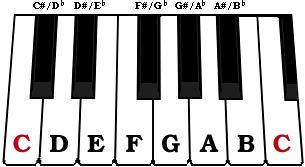
    #1. Virtual Piano:

    Piano keyboard
    It can be difficult for singers who don’t have a piano, or keyboard at home, to practice their music independently. This website has a great virtual piano, to help choristers practice their music at home! There are a variety of free virtual piano apps for iphones, ipad, and other smartphones too, as well as more basic pitch pipe apps!

    #2. Ear Training:

    A good singer, is also a great listener. A singer’s ears are every bit as important as their voice, and needs to be trained as well. This website has great exercises, that can be modified for beginner singers through to more advanced singers!

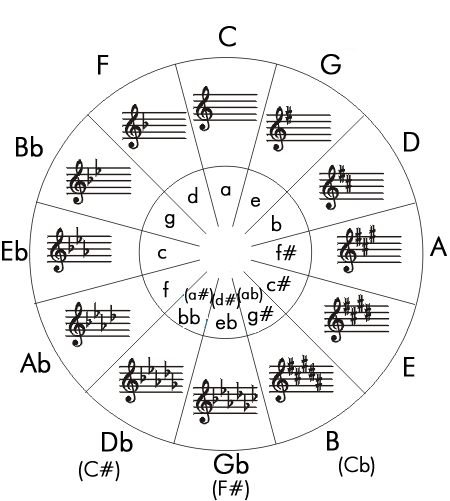
    #3. Music Theory Exercises:

    = circle of fifths
    Music theory is another incredibly important aspect of musical education. This website has a variety of different musical theory exercises for different abilities – for free!

    #4. Public Domain Scores: 

    While many musical works are still under copyright, there are also several that are now within the public domain. The Petrucci Music Library has compiled a fantastic repository of these public domain scores!

    #5. The Science of Music:

    Music and Science

    This is a great website to help choristers discover the links between science, math, and music!


    #6. Incredibox: 
    This is a great website to help get choristers interested in different aspects of composition in a fun, and lighthearted way!


    What do you think about these resources? Will you try some of them out?

    Singing For The Joy off It!


  • 5 Life Lessons From Choir

    #1. Always Bring A Pencil:

    It’s a pretty good rule of thumb that in choir, you should always have a pencil. This is pretty good advice in life as well; always be prepared!

    Music

    #2. Work as Part of a Team: 

    The great thing about singing in a choir is that you’re singing with many voices, all with the same goal of making beautiful music. Working well with others, towards a common goal is a great life skill!


    = children's choir


    #3. Help Each Other:

    Helping out the people around you is a great skill to have!

    = Helping

    #4. Be a Great Communicator:

    Music is all about great communication, and so is life!

    =hand

    #5. Have Fun!:


    = Fun


    Do you have any more life lessons from your experience as a chorister? Tell us in the comments below!

    = Calgary Children's Choir